The "Git Gud" threshold
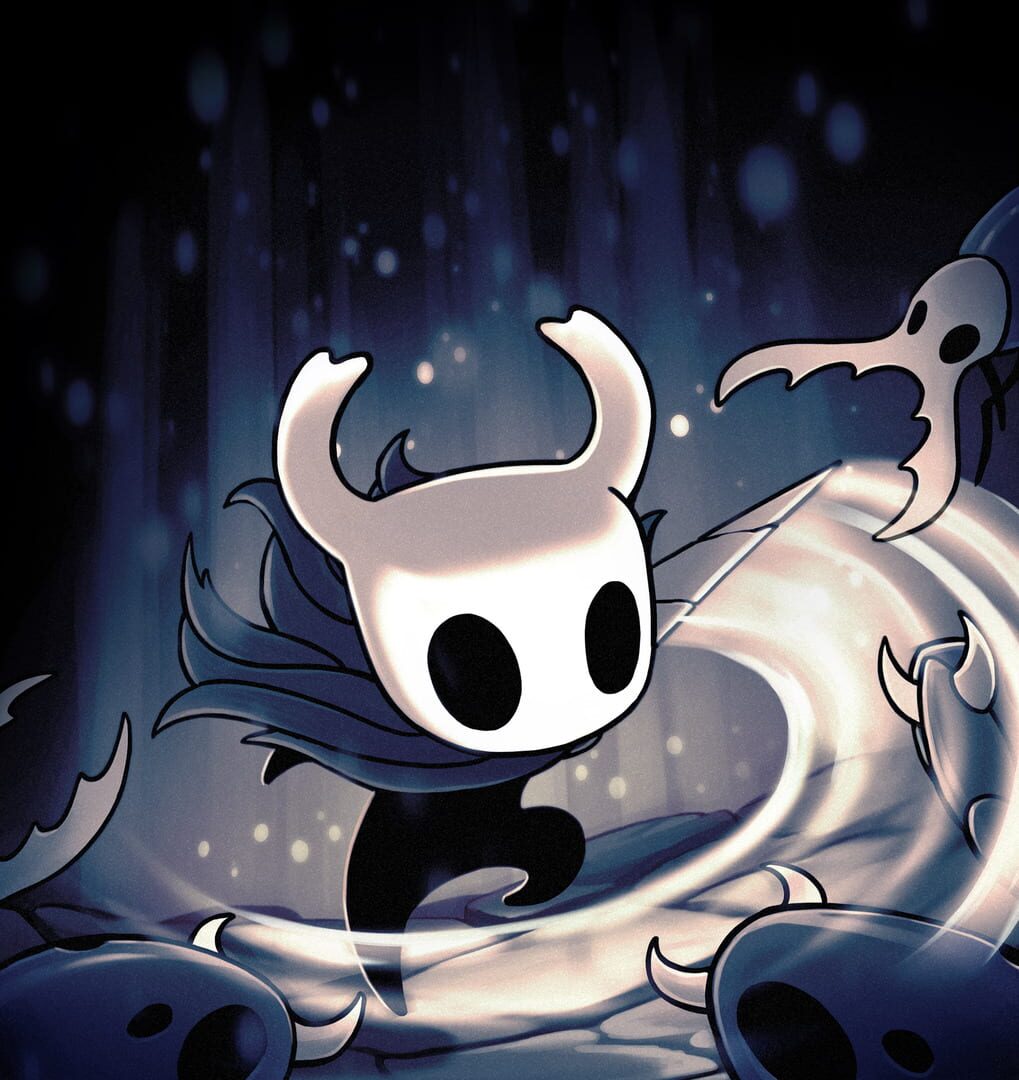
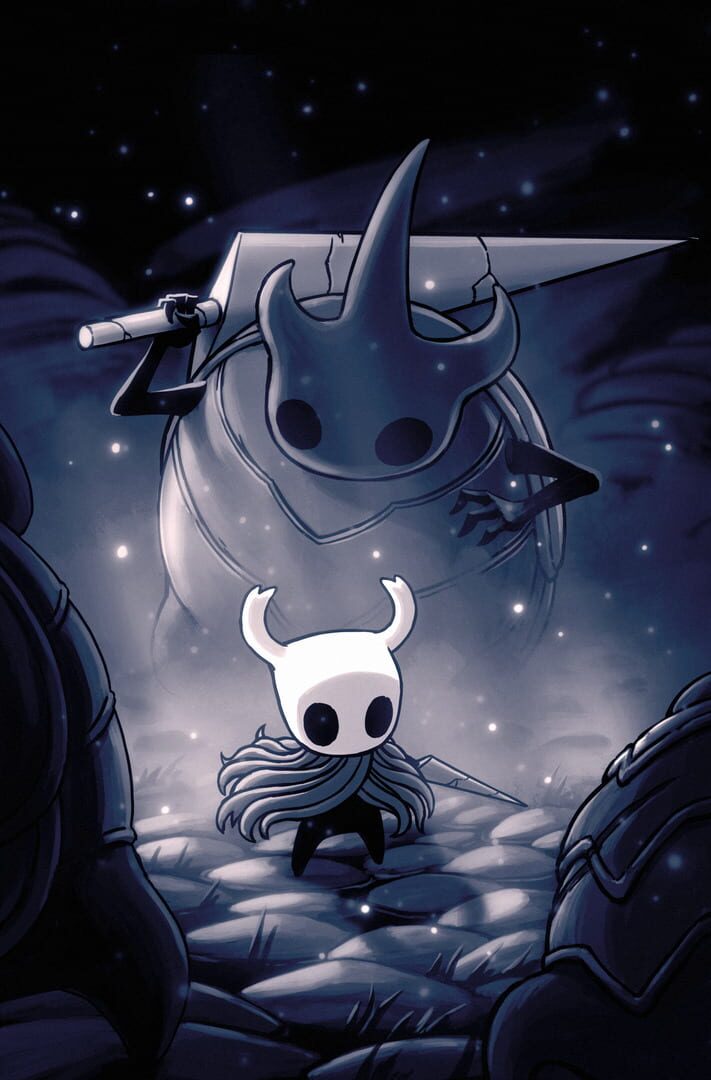
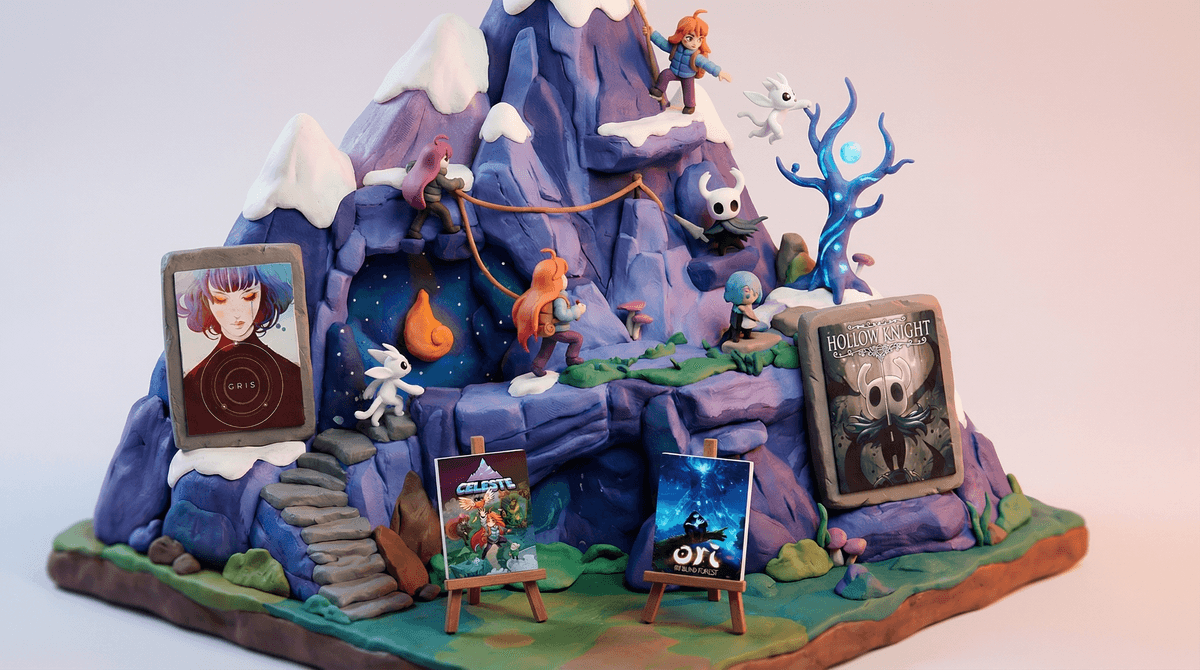
If your kid is used to the constant dopamine hits and hand-holding of modern mobile games, Hollow Knight will be a shock to their system. There is no waypoint marker telling them where to go. There is no "skip boss" button. It is a masterclass in the best first video games for ages 8-10 that build resilience, but only if they can stomach the initial learning curve.
The game uses a "corpse run" mechanic: when you die, you leave behind a Shade (a literal ghost of your character) that holds all your collected currency. If you die again before reaching that Shade and defeating it, that currency is gone for good. For a ten-year-old, this is either a profound lesson in processing fear and failure through gaming or the reason they decide the Nintendo Switch is better used as a frisbee.
A world that respects their intelligence
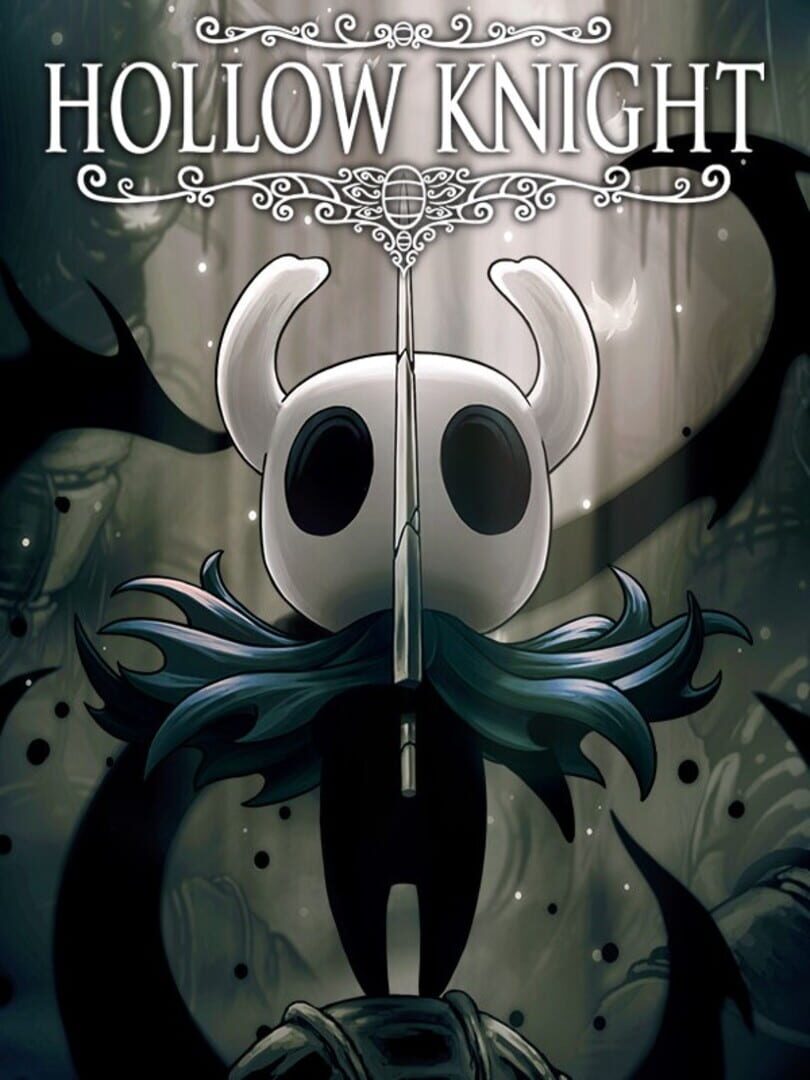
We talk a lot about "brain rot" in gaming, but Hollow Knight is the antidote. It’s one of those platformer games for kids who love art and story where the narrative isn't fed through dialogue boxes; it’s hidden in the background art, the music, and the item descriptions. It treats the player like an adult.
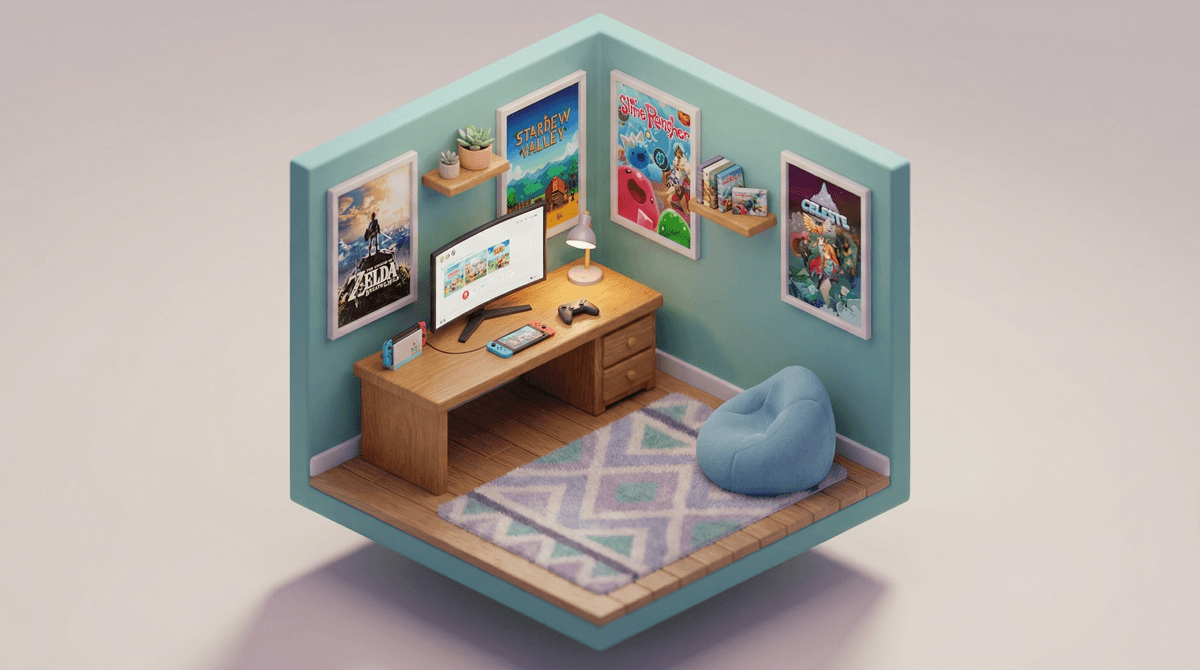
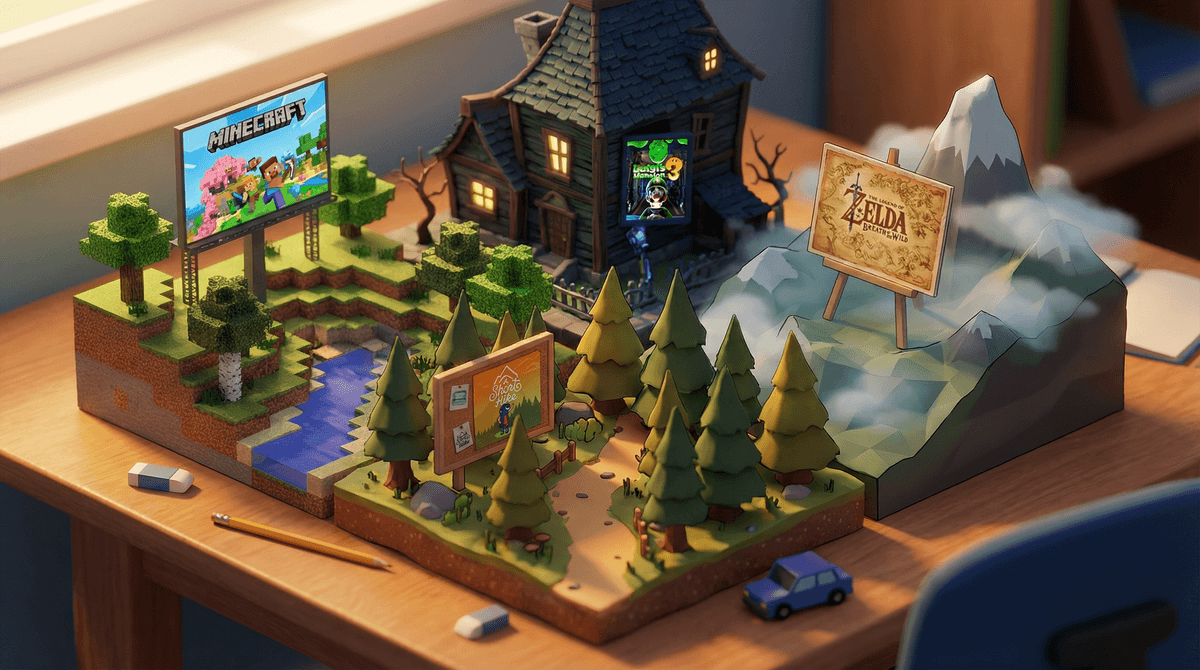
If your child is a fan of adventure games kids love like The Legend of Zelda, they’ll recognize the loop of "I see a ledge I can't reach, I'll come back when I have a double-jump." But where Zelda is bright and heroic, Hollow Knight is lonely and decaying. It’s a tragedy you play through, which makes it feel much more like "real" art than the average blockbuster.
Why it’s the ultimate "anti-Roblox"
For parents tired of being asked for digital currency, Hollow Knight is a relief. It is a game without microtransactions that offers dozens of hours of play for a flat price. There is no social pressure, no "limited time" skins, and no toxic chat rooms. It is a single-player game that builds gaming skills in a vacuum.
If your kid liked Celeste for its precision but wanted more combat and exploration, this is the logical next step. It’s also a perfect entry point for indie games for kids that prove a small team of creators can out-design a multi-billion-dollar studio.
The "Screams and Steam" factor
You will know exactly how your kid is doing based on the sounds coming from the living room.
- Silence: They are focused, likely platforming through a difficult spike-filled corridor.
- A sharp "No!": They just lost a boss fight when the enemy had one hit point left.
- Deep sigh: They just lost their Shade and all their money.
This friction is the point. If they beat this game, they didn't just finish a story; they mastered a system. In a world of participation trophies, Hollow Knight is a trophy that actually means something. Just be ready to remind them that it's okay to put the controller down and take a walk when the "Silksanity" (the community's desperate wait for the sequel) starts to set in.