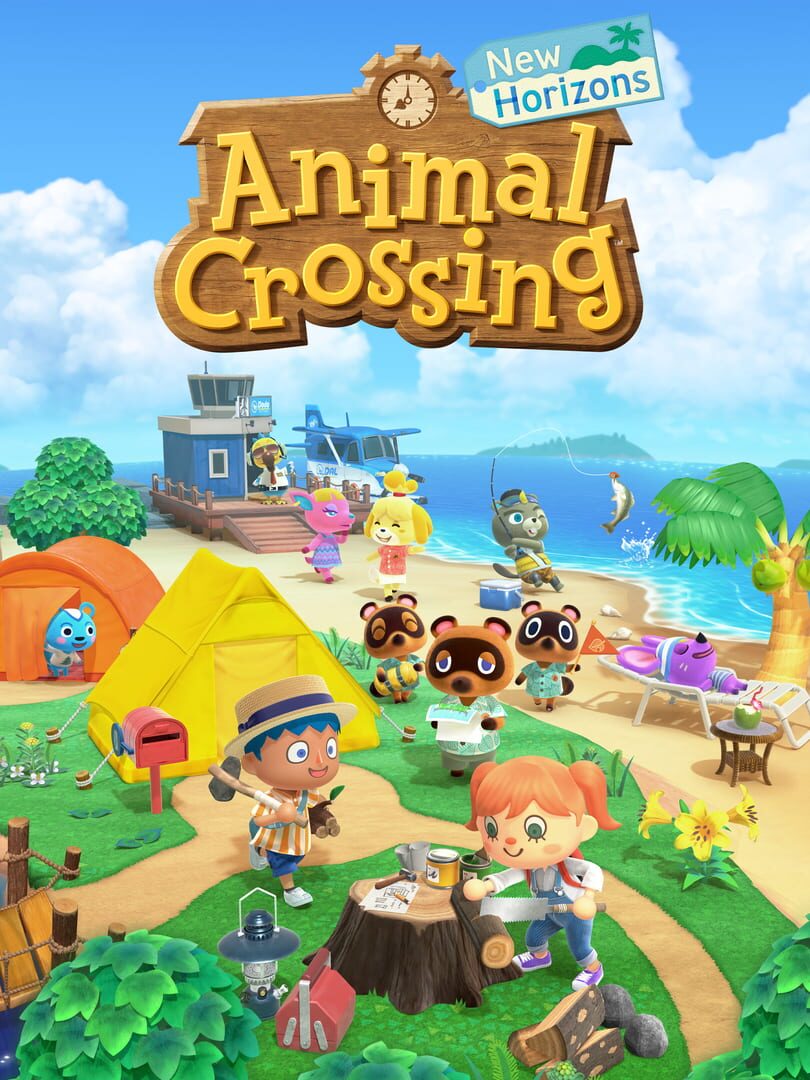
Animal Crossing New Horizons

Animal Crossing New Horizons

game

2020, Simulator

WISE
88%

WISE Score

82%

IGDB

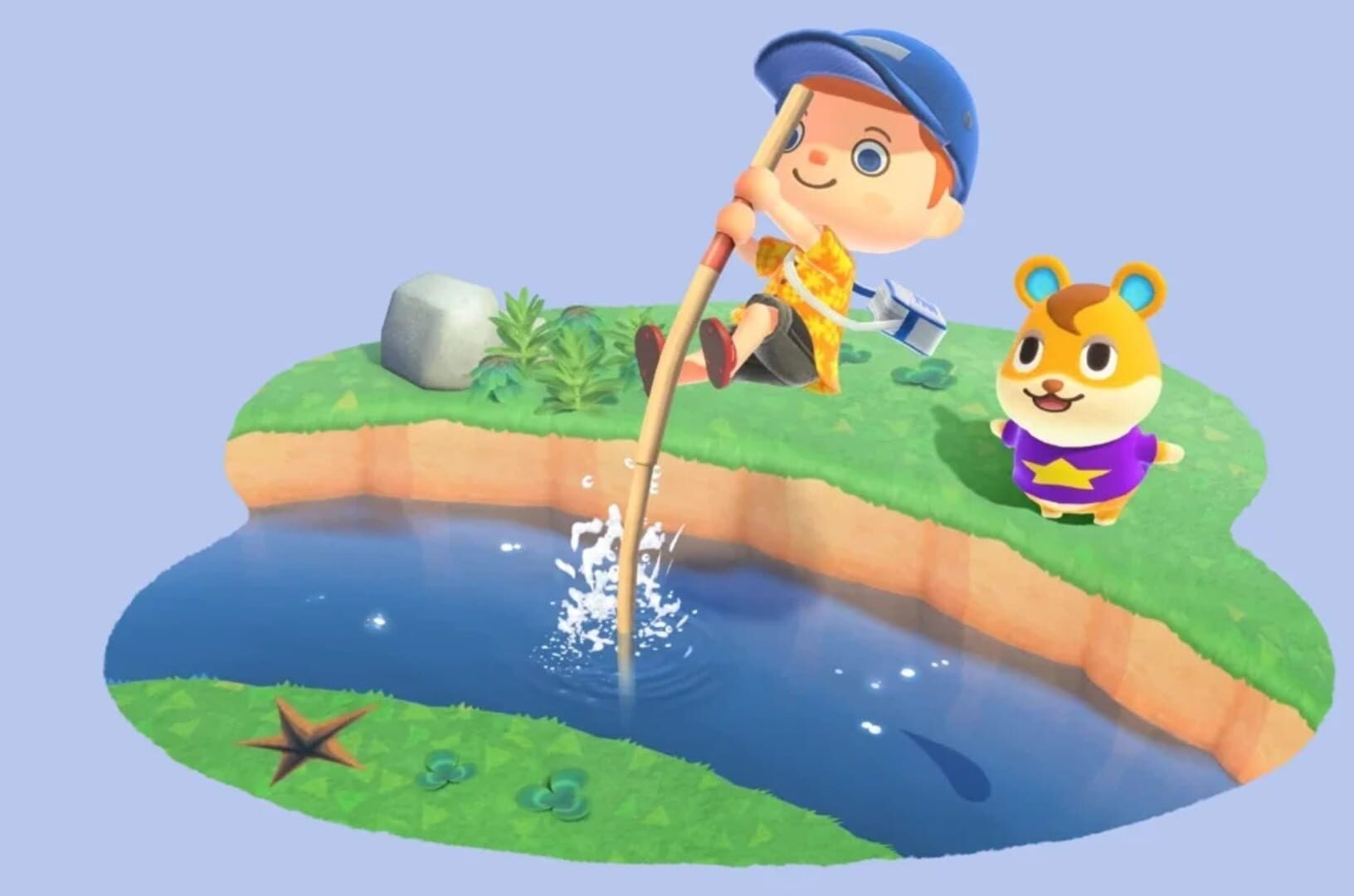
The coziest life sim where your biggest stress is whether your island needs more flowers or if Tom Nook is actually a capitalist overlord.

Where to Play

Screenwise Verdict

Animal Crossing: New Horizons is about as safe and wholesome as gaming gets—think of it as a digital dollhouse meets gardening simulator meets interior design playground. It's the game that got everyone through 2020, and for good reason: it's calming, creative, and genuinely kind.

The genius is in the constraints. Real-time progression means you can't binge it; you check in, do your tasks, and move on with your day. For patient, creative kids who love decorating and collecting, this is heaven. For kids who need fast action and instant gratification, it'll bore them to tears within an hour.

The 'safety' concern isn't really about content—there's nothing objectionable here—but about the gentle behavioral loop. Daily check-ins can feel like a chore, and some kids do develop mild anxiety about 'neglecting' their island. The game's design is respectful (no manipulative monetization, no gambling mechanics), but it does create a persistent pull. Trading culture outside the game can also get surprisingly intense, with kids on Discord hunting for rare villagers or items.

Bottom line: This is a top-tier recommendation for kids who like slow, creative, cozy experiences. It teaches planning, design, resource management, and delayed gratification—all wrapped in the friendliest package imaginable. Just know what you're signing up for: this is a marathon, not a sprint, and Tom Nook's loans are forever.
Age Fit

Perfect for ages 6-14, though plenty of teens and adults still play. Younger kids (5-6) can enjoy it with help reading, and some nostalgic 15-16 year-olds still check in. The ceiling is high because the creative tools are genuinely robust.

WISE Breakdown
Wholesome
95

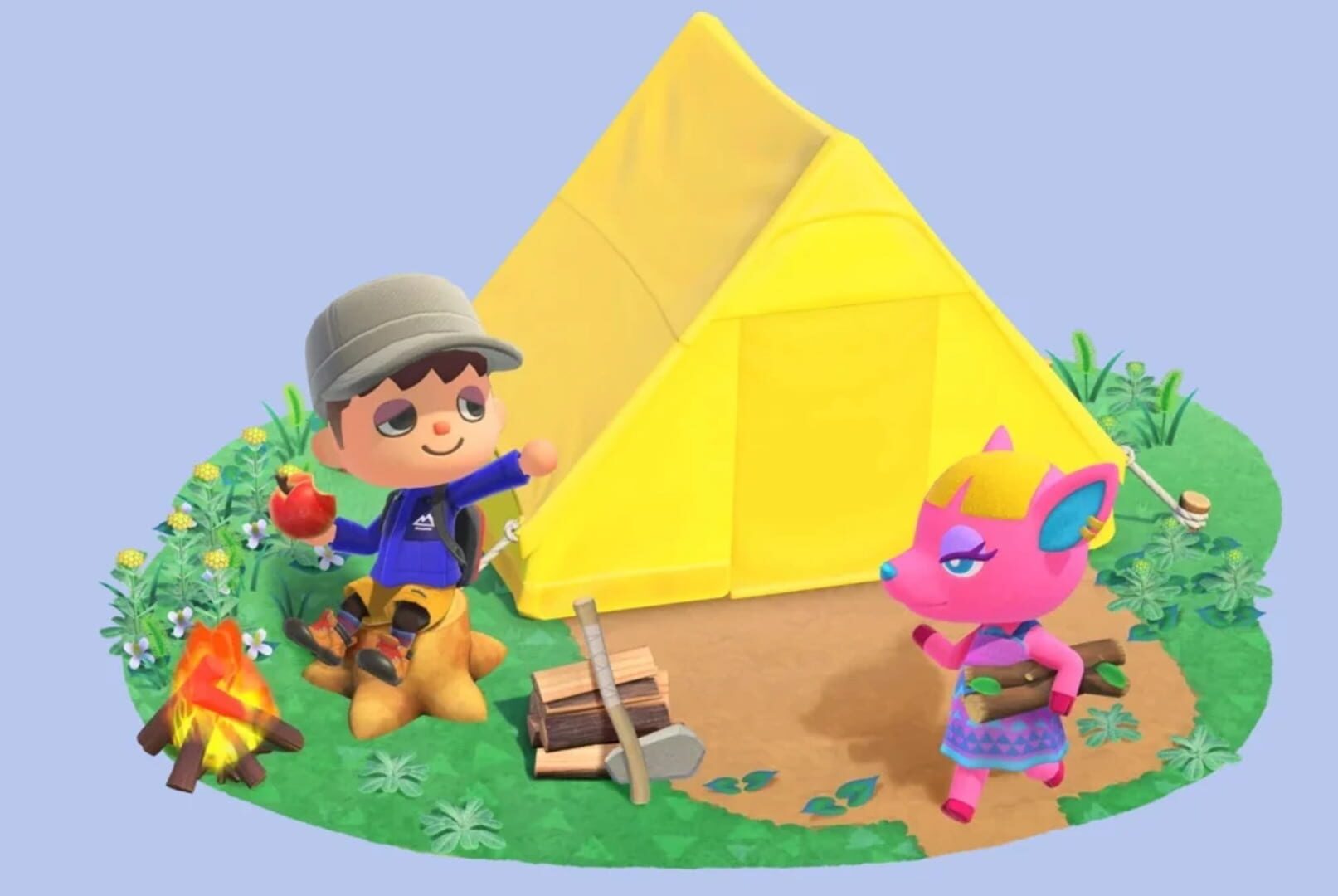
Animal Crossing is the gold standard for wholesome gaming. Players build friendships with adorable anthropomorphic villagers, help neighbors, share gifts, and create a peaceful island community. The tone is relentlessly gentle and kind—no conflict beyond 'should I plant roses or tulips today?' The pacing is deliberately slow and calming, synced to real-world time, which encourages checking in daily without frantic pressure. Models cooperation, generosity, and community-building beautifully.

Imaginative
92

This is essentially a creativity sandbox with guardrails. Players design their entire island from scratch—landscaping terrain, placing buildings, creating custom clothing patterns, decorating homes with thousands of furniture combinations. The game rewards exploration (seasonal bugs, fish, fossils) and personal expression. While it's not as open-ended as Minecraft, the design tools are robust and the aesthetic possibilities are genuinely impressive. The real-time seasonal changes keep discovery fresh year-round.

Safe
88

Extremely safe content-wise: no violence, no inappropriate themes, no jump scares. Users can interact online, but there's no text chat with strangers—only pre-set phrases and emotes, plus voice chat through Nintendo's separate app (which parents can disable). No in-game purchases or loot boxes. The main safety consideration is the real-time mechanic can create a gentle but persistent pull to check in daily, and some kids do 'time travel' (change console clock) to game the system. Trading culture can occasionally get intense in online communities outside the game itself.

Enriching
78

Animal Crossing teaches resource management, delayed gratification (saving bells for that bridge!), basic economics (turnip stock market), design principles, and collection/categorization through the museum. It models community care and celebrates small accomplishments. However, it's primarily entertainment and relaxation—the 'enrichment' is gentle and incremental rather than challenging. Some kids develop impressive creative and organizational skills; others just vibe and catch butterflies. Both are fine, but the cognitive growth ceiling isn't particularly high.

Parent Info

Why It Might Be Great

  • Genuinely calming and stress-free—this was the pandemic comfort game for millions of adults and kids alike
  • Encourages creativity, planning, and personal expression through endless design possibilities
  • Models kindness, community care, and delayed gratification (saving up for that lighthouse feels like an achievement)
  • Real-time seasonal changes mean there's always something new to discover throughout the year
  • No violence, no pressure, no fail states—just vibes and anthropomorphic raccoons

What to Watch For

  • The real-time mechanic means progress is slow; impatient kids may get frustrated waiting for buildings to construct overnight
  • Daily check-in design can feel like a gentle obligation—some kids feel 'guilty' skipping days or anxious about weeds taking over
  • Online play requires Nintendo Switch Online subscription and should be limited to real-life friends (no stranger danger, but trading culture on Discord/Reddit can get intense)
  • Some kids get obsessed with 'completing' collections or achieving 5-star islands, which can shift the vibe from chill to completionist stress

Conversation Starters

  • "What's your favorite thing about your island right now? What do you want to change?"
  • "Tell me about your villagers—who's your favorite and why?"
  • "If you could design your dream house in real life like you do in the game, what would it look like?"
  • "How do you decide what to spend your bells on? Is it hard to save up for the big stuff?"
  • "Do you think Tom Nook is nice or is he kind of taking advantage of you with all those loans?"

Ask Anything

Get a personalized guide on any topic

Related Guides