The "Spiral" is the Point
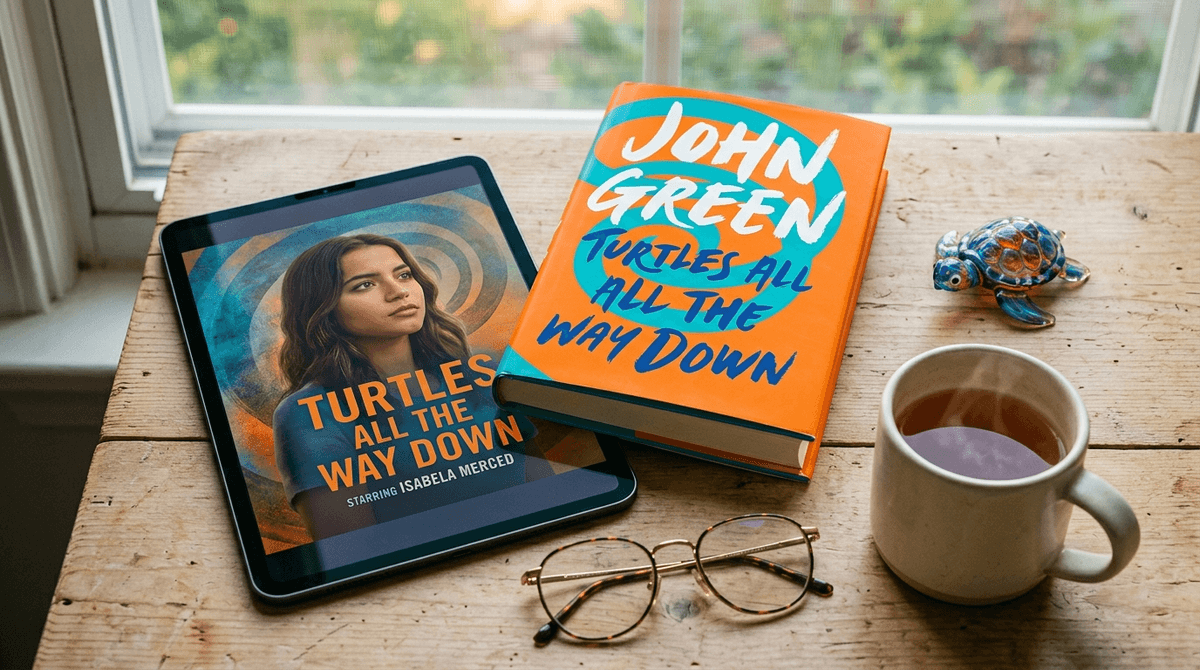
If you’re expecting a teen detective novel because the synopsis mentions a missing billionaire and a $100,000 reward, adjust your expectations now. The mystery is the weakest part of the book. It’s thin, it’s mostly resolved off-screen, and it feels like a secondary thought John Green had to include just to give the characters a reason to leave their houses.
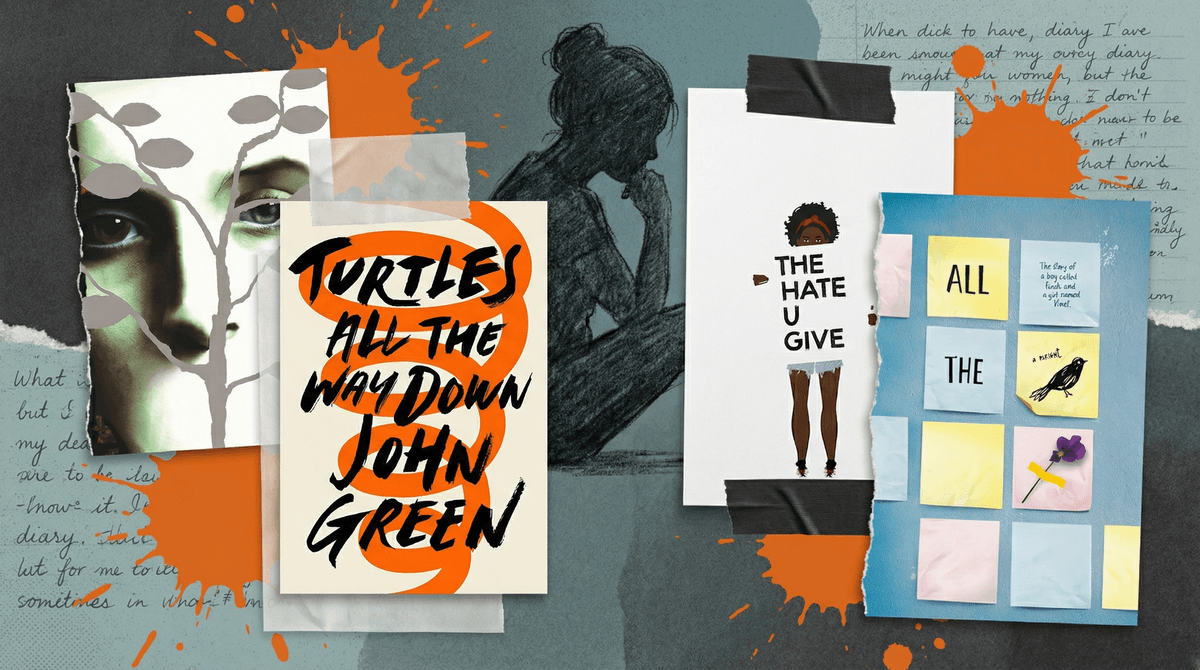
The real story is the "tightening spiral" of Aza’s thoughts. Green captures the claustrophobia of OCD better than almost anyone in YA. It isn't about being tidy or organized; it’s about the terrifying, intrusive loops that make a person feel like they aren't the pilot of their own brain. For a teen who has felt that specific kind of mental friction, this book is validating in a way that few others are. It doesn't offer a "cure" or a neat ending where the anxiety goes away because she met a cute boy. It just shows her learning to live alongside it.
The Friction of the "John Green" Voice
There is a specific vibe to John Green characters: they are hyper-articulate, they quote poetry, and they have philosophical debates while eating at Applebee's. If your kid finds that charming, they’ll fly through this. If they prefer characters who talk like actual fifteen-year-olds, they might find the dialogue pretentious. Critics have called the book "vanilla" or "bland" in its plotting, and that’s a fair strike. The pacing is slow, and the romance with Davis—the billionaire’s son—is more about shared existential dread than butterflies and chemistry.
If your teen is coming off a binge of high-stakes, plot-heavy thrillers like Killer Instinct, they will likely find the lack of momentum here frustrating. This is a "vibes and feelings" book, not a "clues and reveals" book.
Where This Fits on the Shelf
This is a high school book, full stop. The "couple dozen" f-bombs and the frank discussions about teen romance mean it’s going to feel a bit heavy for the middle school crowd. It sits in that specific pocket of literature meant for the kid who wants to feel seen rather than the kid who wants to be entertained.
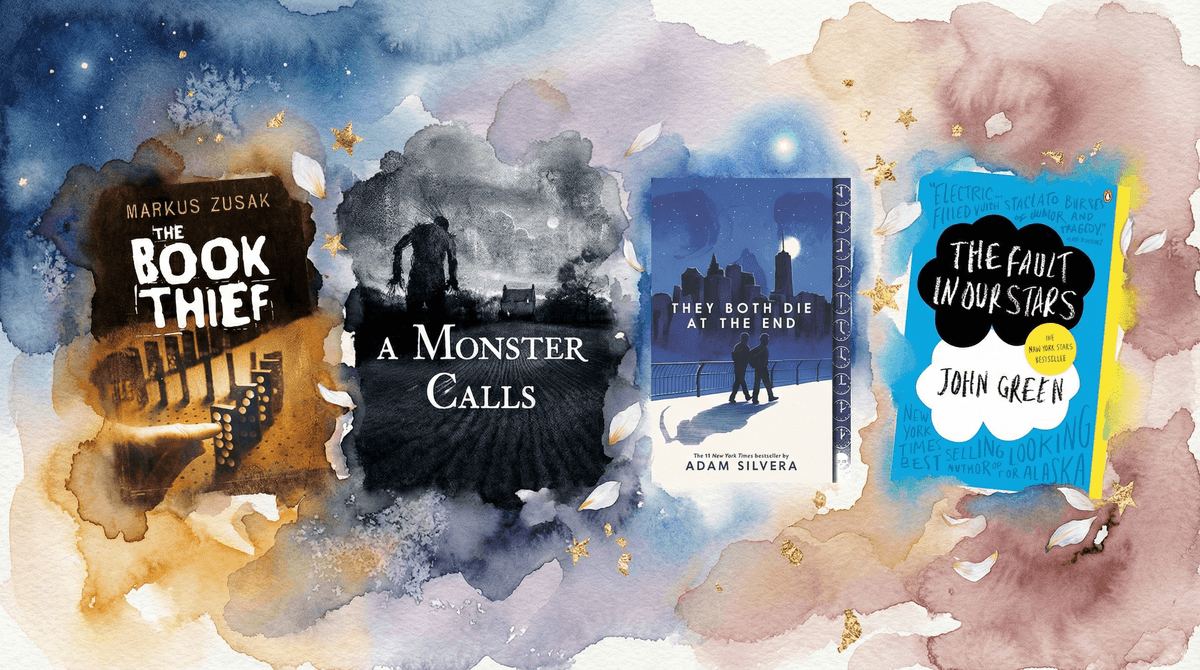
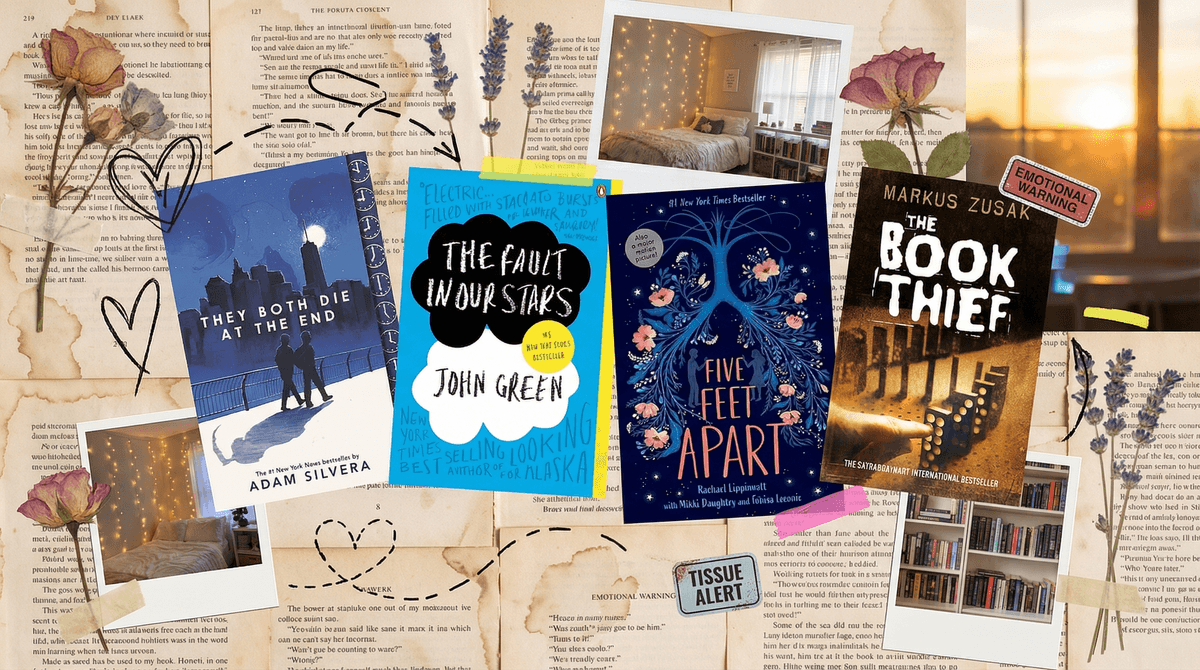
If your teen is looking for books like The Fault in Our Stars that tackle heavy themes without being quite as much of a "terminal illness" tear-jerker, this is the logical next step. It’s more mature and more cynical than Green’s earlier work, but it’s also more honest about what it’s like to have a brain that doesn't always cooperate. If they want a mystery that actually pays off with tension and stakes, skip this and look at something like All In (The Naturals #3) instead. Use this one for the mental health conversation, not the Saturday afternoon thrill.