

Loot Boxes and Gacha Games: Understanding the 'Digital Slot Machine' Effect
TL;DR
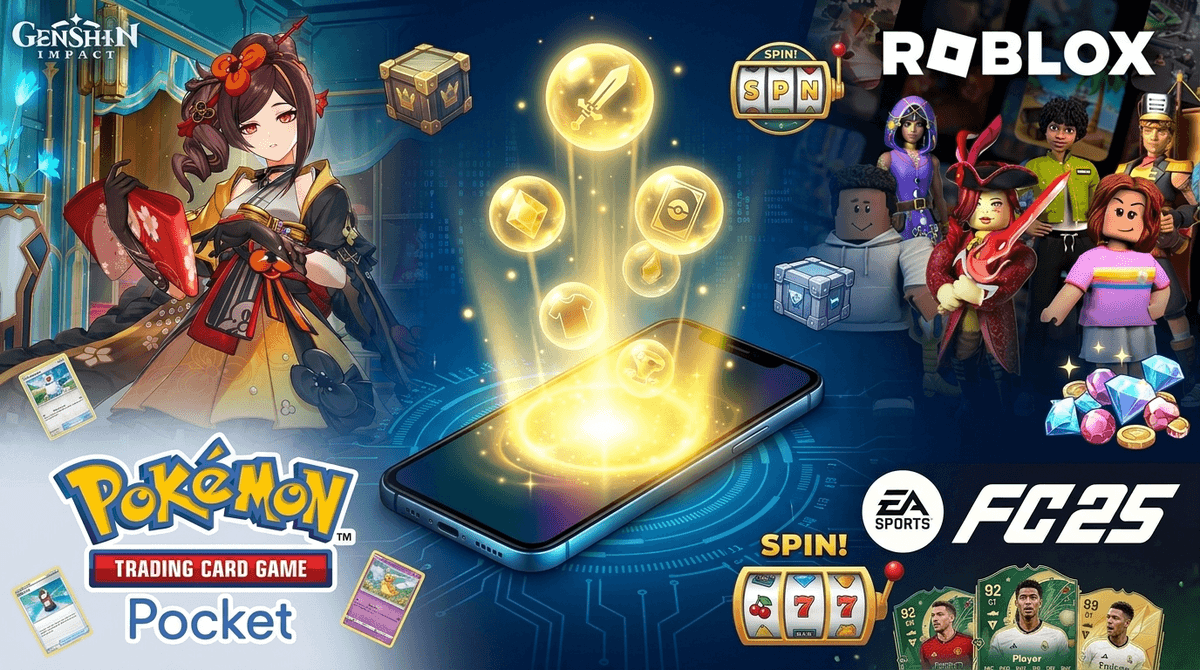
Loot boxes and gacha mechanics are basically digital scratch-off tickets hidden inside video games. They use "variable ratio reinforcement" (the same psychology as slot machines) to keep kids pulling the lever for a rare skin or a powerful character. If your kid is obsessed with Genshin Impact, Roblox "simulators," or opening packs in EA Sports FC 25, they are engaging with these mechanics.
Quick Links:
We’ve all been there: you download a "free" game to keep the peace during a long car ride, and three days later, your kid is begging for $10 to buy "crystals" or "gems" so they can "pull" for a legendary character.
Loot Boxes are virtual containers in games that contain randomized items. You might get a common "skin" (a costume for your character) or a super-rare, game-changing weapon. You don't know what's inside until you pay and open it. Examples include "crates" in Overwatch 2 or "Starr Drops" in Brawl Stars.
Gacha Games take this to the extreme. Named after Japanese "Gashapon" vending machines (the ones with the little plastic bubbles), these games are built entirely around the mechanic of spending currency to "spin" for characters. Genshin Impact and Honkai: Star Rail are the gold standards here. They are high-quality, beautiful games, but their entire economy is based on the "gambler's high."
Get a list of games that use these mechanics
It’s not just about the "stuff" inside the box. It’s the anticipation.
The "Digital Slot Machine" effect works because of something called Intermittent Reinforcement. If a kid won a rare item every single time they opened a box, it would get boring. But because they only win sometimes, the brain releases a massive hit of dopamine every time they see that "legendary" purple or gold light flash on the screen.
In kid-speak, getting a rare pull is "massive W" or "cracked." Not getting it is "straight mid" or "Ohio" (meaning weird/bad). The social pressure is real, too. If everyone in their Discord group has the new "Skibidi" themed skin in Roblox, your kid feels like a "noob" without it.
Not all randomized rewards are created equal. Some are cosmetic; others are "pay-to-win."
This is the big one. It’s a stunning open-world RPG, but it is a gacha game to its core. To get the best characters, you have to "wish" for them. The odds of getting a 5-star character are less than 1%. It’s predatory, but the game is so well-made that it’s hard to tell kids to stop playing.
- Verdict: Great game, but requires a locked-down credit card.
Roblox isn't one game; it's a platform. Games like Pet Simulator 99 are essentially gambling simulators for seven-year-olds. You spend Robux to hatch eggs, hoping for a "Huge" pet.
- Verdict: This is where the most "accidental" $500 charges happen.
The newest addiction. It’s a digital version of the card game we played as kids, but it’s designed to make opening packs feel like a religious experience. You get two free packs a day, but if you want more, you’re reaching for the wallet.
- Verdict: A "lighter" version of gacha, but a gateway drug to more expensive habits.
The "Ultimate Team" mode is the most profitable loot box system in history. You buy packs of players, hoping for Messi or Ronaldo. Since the players have actual stats that make you win games, this is pure "pay-to-win."
- Verdict: If your kid loves soccer, they will want to spend money here.
Ages 6-10: The "Hard No" Phase
At this age, kids don't have the impulse control to understand that "Gems" = "Mom's grocery money."
- Recommendation: Stick to games with a one-time purchase price. Minecraft or Toca Life World are better choices. If they play Roblox, use the parental controls to disable spending entirely.
Ages 11-14: The "Budgeting" Phase
Middle schoolers are all about social status. They want the skins.
- Recommendation: This is a great time to introduce a digital allowance. Use a Greenlight card or just buy them a $20 Apple Gift Card once a month. When it’s gone, it’s gone.
Ages 15+: The "Transparency" Phase
By high school, they should understand the math.
- Recommendation: Show them the "drop rates" (most games are legally required to list them now). If they see they have a 0.6% chance of getting what they want, it’s a good lesson in probability.
The danger of these games isn't just the money; it's the Sunk Cost Fallacy. Once a kid has spent $50 on Brawl Stars, they feel like they can't quit, because then that $50 was "wasted." This keeps them tethered to the screen long after the game has stopped being fun.
Also, be aware of "Pity Systems." Many gacha games like Honkai: Star Rail promise that if you pull 90 times, you are guaranteed a rare item. This sounds nice, but it actually encourages kids to keep spending "just a little more" to reach that 90-pull threshold.
Don't lecture them about the evils of corporate greed. They'll tune you out. Instead, try these conversation starters:
- "How many times do you think you'd have to open that box to get the rare one?" (Look up the odds together).
- "If you spend your $20 on these 'pulls' and get nothing but common items, how are you going to feel?"
- "Is this game still fun if you don't spend money, or is it just a chore?"
If they are looking for games that are actually fun without the gambling, check out Stardew Valley or Hades. Both are "complete" games—you buy them once, and you get the whole experience.
Loot boxes and gacha mechanics aren't going anywhere—they are too profitable for companies to ignore. As intentional parents, our job isn't necessarily to ban them (good luck with that), but to pull back the curtain.
When a kid understands that the game is trying to manipulate their brain with lights and sounds, the "magic" of the loot box starts to fade.
Next Steps:
- Check your settings: Ensure your App Store or Play Store requires a password for every single purchase.
- Audit the apps: Look at your kid's most-played games. If you see Genshin Impact or Roblox, have the "slot machine" talk today.
- Switch to Gift Cards: Stop linking your credit card to their accounts. Use physical or digital gift cards to create a "hard ceiling" on spending.