The "Die to Win" Philosophy
If your kid is used to games where "Game Over" means losing progress and starting a save file from twenty minutes ago, Hades will be a culture shock. In most titles, death is a failure state. Here, it’s the narrative engine.
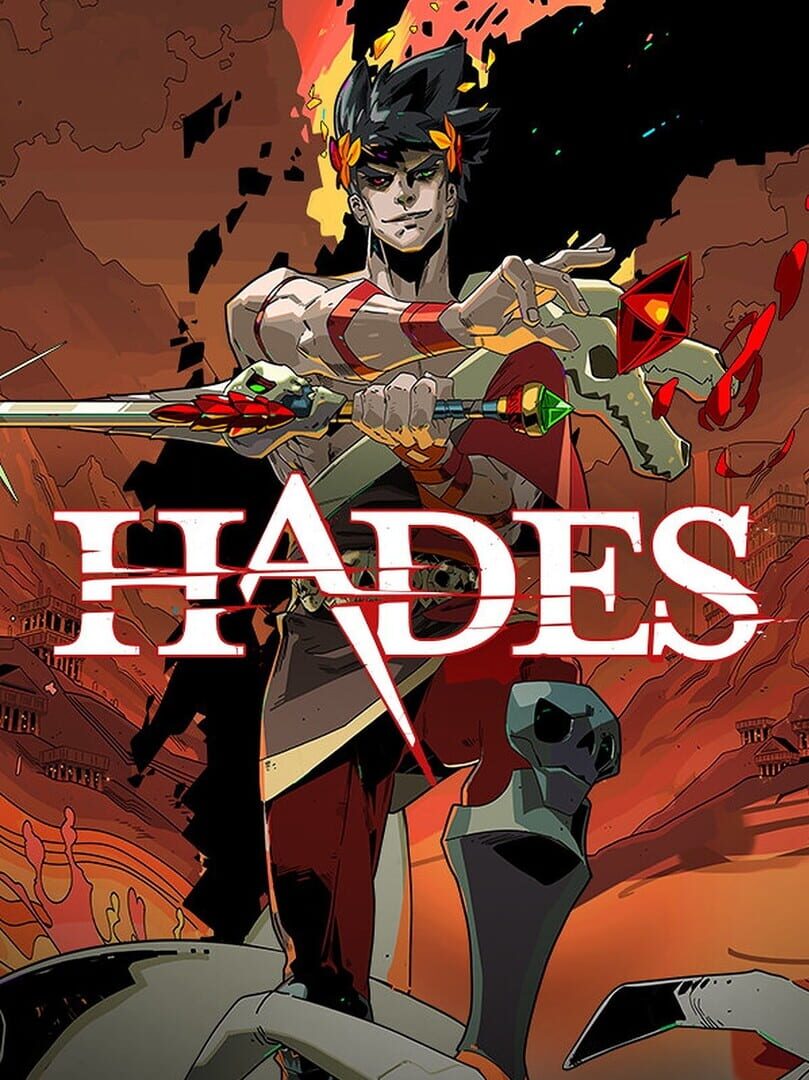
Every time Zagreus (the protagonist) dies and floats back to his father’s house, the story actually moves forward. You get new dialogue, you unlock new weapons, and you spend the currency you earned to make the next run easier. It’s the ultimate tool for building resilience through media because it reframes "losing" as "learning." If you have a kid who throws a controller when they lose a match in Fortnite, this is the perfect antidote. It rewards the attempt, not just the victory.
The Anti-Gacha Masterpiece
We spend a lot of time worrying about the "free" games that eventually ask for a credit card. Hades is the exact opposite. It’s a premium alternative to gacha games that offers the same "just one more try" dopamine hit without the predatory loot boxes or "limited-time" shop offers.
You buy it once, and you own the whole thing. There are no battle passes to grind and no online lobbies where a random stranger can ruin your afternoon. It’s a self-contained, high-quality experience that respects your kid’s time (and your wallet). For parents tired of the "I need $10 for a skin" conversation, this is a banger of a gift.
Mythology with an Edge
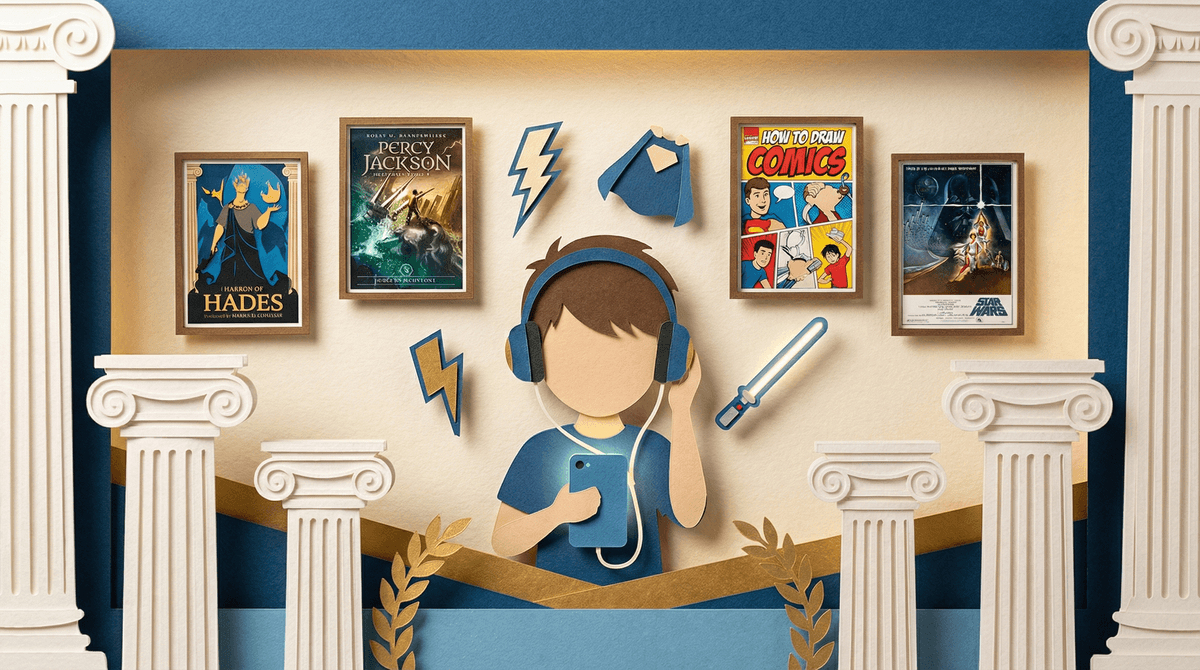
This isn't the sanitized, Disney-fied version of Mount Olympus. The gods in Hades are petty, gorgeous, and deeply human. If your kid grew up on Percy Jackson or is currently obsessed with how Athena is a strategy icon, they’re going to lose their minds over these interpretations.
The writing is sharp enough that it feels like a prestige TV show. Characters remember what you did on previous runs, they comment on your weapon choices, and they bicker with each other like a real, albeit immortal, family. It turns a "hack and slash" game into a narrative experience for different maturity levels where the talking is just as important as the fighting.
Friction and "God Mode"
The only real friction is the difficulty. Hades is fast. It requires reflexes and pattern recognition that might frustrate a younger or less experienced gamer. However, the developers included a "God Mode" in the settings. It doesn't make you invincible; instead, it gives you a small defensive boost every time you die. It’s a brilliant way to keep the challenge present while ensuring the story doesn't stall out.
If you’re worried about the "one more run" loop keeping them up until 3 a.m., treat it like a book. Each "run" takes about 20–40 minutes. It’s a natural stopping point that makes balancing screen time much easier than an open-ended survival game where there's no clear place to quit.