

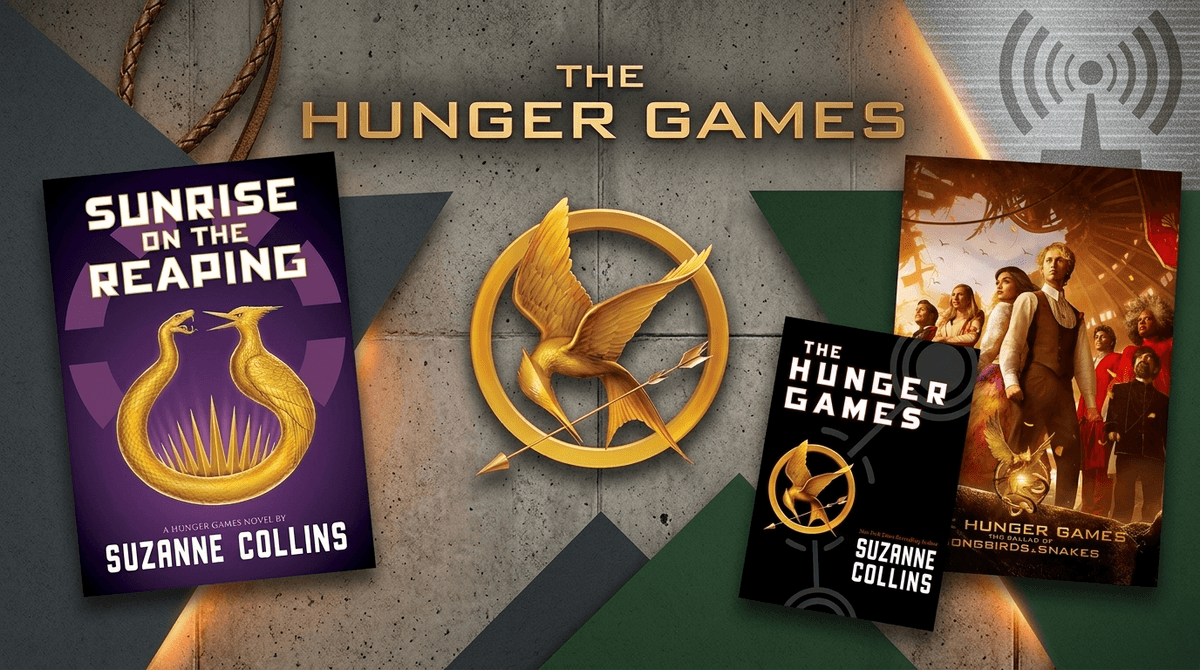
TL;DR: The Hunger Games is back in a big way. With the announcement of the new book and movie, Sunrise on the Reaping, Panem is trending again on TikTok and YouTube. It’s violent, it’s politically heavy, but it’s also one of the few franchises that treats teenagers like they’re capable of understanding complex systems of power. Generally best for ages 12+, but the "vibe" is much darker than your average YA adventure.
Quick Links:
If you’ve noticed your teen suddenly wearing braids again or talking about "the reaping," don't worry—you haven't time-traveled back to 2012. We are officially in the middle of a Hunger Games "Renaissance."
Between the 2023 release of the prequel film The Ballad of Songbirds and Snakes and the recent announcement of Suzanne Collins’ next installment, Sunrise on the Reaping (expected in 2026), the franchise has found a second life with Gen Z and Gen Alpha.
But this isn't just a nostalgia trip for us parents who remember the original hype. The themes of surveillance, media manipulation, and income inequality are hitting differently in 2026. Here is the no-BS breakdown of what’s happening in Panem and how to handle it at home.
It’s easy to dismiss this as just another "core" trend on social media, but there's more to it. On TikTok, the #HungerGames hashtag has billions of views. Why? Because the world Katniss Everdeen inhabits feels uncomfortably familiar to kids growing up today.
The original trilogy focused on a girl forced into a televised death match to keep a totalitarian government in power. Today’s teens, who are constantly "on camera" via Instagram and Snapchat, deeply resonate with the idea of "performing" for an audience just to survive.
Also, let’s be real: the writing is just better than most of the "brain rot" content they consume. Suzanne Collins doesn't pull punches. She writes about PTSD, the ethics of war, and the way the media can turn a tragedy into a "ship-able" romance.
See the difference between Hunger Games and other YA dystopias
The newest buzz is all about Sunrise on the Reaping. This story takes us back to the 50th Hunger Games—the "Second Quarter Quell."
If your kid is a fan, they already know why this is a big deal: this is the story of Haymitch Abernathy (played by Woody Harrelson in the original movies). In the lore, the 50th Games required double the tributes—48 kids instead of 24.
What parents should know: Because this story features twice as many kids in the arena, expect the themes of "us vs. them" and the sheer scale of the violence to be ramped up. It’s a prequel, so we know the ending is tragic, which makes it a heavy lift for more sensitive readers.
If your kid is just getting into the series, here is how to navigate the content:
Ages 12+. The books are actually more graphic than the movies because you are inside Katniss’s head. You feel her hunger, her fear, and her cold calculations. It’s a masterclass in perspective, but it’s intense.
Ages 12-13+. Rated PG-13 for "intense violent thematic material and disturbing images." The "Cornucopia" scene at the beginning of the games is the hardest part to watch. It’s shaky-cam style, which hides some of the gore, but the emotional impact of kids fighting kids is heavy.
Ages 14+. This is the prequel about a young President Snow. Honestly? It’s darker than the original trilogy. It deals with cannibalism (briefly mentioned/implied), betrayal, and the psychological descent into villainy. It’s less "action movie" and more "psychological thriller."
Ages 12+. Widely considered the best of the films. It shifts from "survival" to "revolution." The violence is more stylized and less "gritty" than the first film, but the emotional stakes are higher.
Let’s talk about the "violence" of it all. Yes, the premise is kids killing kids. That is inherently disturbing. However, unlike a game like Call of Duty or Fortnite, the violence in The Hunger Games is never meant to be "fun." It’s portrayed as a horrific trauma that leaves every character broken.
The "Edits" Problem: The main place your kid might see "inappropriate" Hunger Games content isn't the movies themselves—it's TikTok or YouTube Shorts. Fan-made "edits" often take the most violent scenes and set them to upbeat music or focus on "shipping" characters who are in the middle of a trauma. This can desensitize the actual message of the story.
The Political Angle: The series deals with "The Capitol" (the 1%) vs. "The Districts" (the working class). Depending on your family’s political leanings, you might find the themes of rebellion against authority either empowering or a bit much. Collins based the series on the Iraq War and reality TV, so the critique of government overreach is baked into the DNA.
Learn more about how to talk to your teen about media manipulation
If your teen is obsessed, use it as a bridge. This series is a "media literacy" goldmine.
- The "Reality TV" Aspect: Ask them, "Why does the Capitol make the tributes look like celebrities before they fight?" It’s a great way to talk about how Instagram or YouTube influencers curate their lives.
- The Ethics of the Games: "If you were in the arena, would you hide or fight?" This gets into the "lesser of two evils" conversations that are actually pretty sophisticated for a 14-year-old.
- The New Book: With Sunrise on the Reaping coming out, ask them what they think about Haymitch. He’s a character who deals with addiction (alcoholism) as a way to cope with his trauma. It’s a heavy but "real" way to discuss mental health and coping mechanisms.
The Hunger Games isn't "brain rot." It’s high-quality, thoughtful dystopian fiction that happens to be very violent. If your child is 12 or older and can handle the idea of a world that isn't fair, it’s actually one of the better things they could be consuming right now.
It’s a massive upgrade from the mindless scrolling of Roblox tycoons or the weirdness of Skibidi Toilet. It requires them to think about justice, sacrifice, and what it means to be a "good person" in a bad system.
- Watch together: If you have a 12-year-old, watch the first The Hunger Games movie with them. See how they react to the "Reaping" scene. If they’re too disturbed, wait a year before moving on.
- Read the books: If they’ve only seen the movies, encourage the The Hunger Games book. The internal monologue of Katniss provides a lot more context for her "rude" behavior.
- Check the feed: Take a peek at their TikTok or YouTube search history. If they’re looking at "tribute death compilations," it might be time for a chat about why we don't treat real (or fictional) violence as "entertainment."