Our reviews and ratings are 100% unbiased. Screenwise is a Bookshop.org affiliate and an Amazon Associate, so if you buy a book through one of our links, we may earn a commission. Bookshop.org purchases also support independent bookstores.
Screenwise Verdict
Catching Fire is widely considered the best book in the trilogy, and for good reason. The Quarter Quell is a brilliant narrative device, the political themes deepen significantly, and Collins doesn't pull punches about trauma or the cost of resistance.
This isn't a cozy read—it's dark, emotionally heavy, and Katniss spends much of it barely holding it together. But that's also what makes it important. It teaches teens to think critically about power, media, and how ordinary people become symbols of movements they didn't choose.
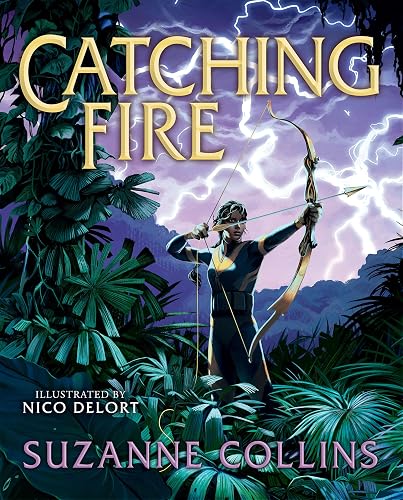
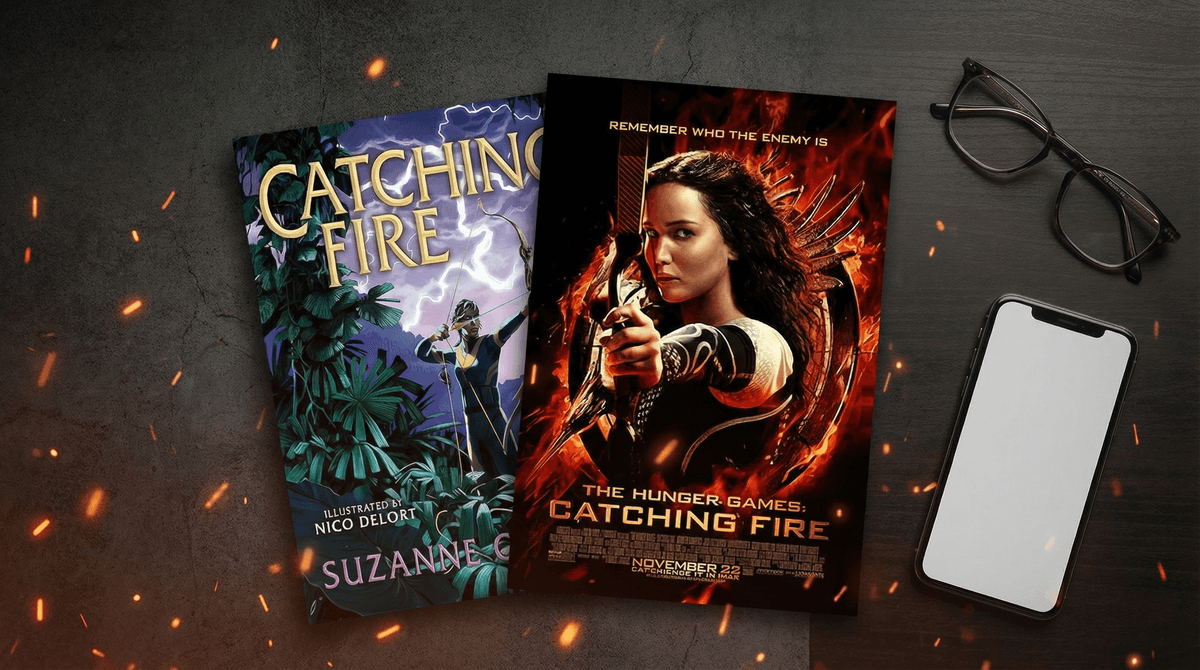
The 2025 illustrated edition is a nice touch for collectors or readers who want a more immersive experience. The series has sold over 100 million copies for a reason: it's smart, gripping, and genuinely relevant. Just make sure your kid is ready for the emotional weight.
Age Fit
Best for ages 12 and up. The violence and dark themes require emotional maturity, but the political sophistication makes it valuable for teens. Many middle schoolers can handle it, especially if they've read the first book. Not for sensitive younger readers.
WISE Breakdown
Wholesome
65
The book explores heavy themes of trauma, PTSD, and political oppression. Katniss deals with the aftermath of killing other children, and the Capitol's manipulation creates genuine emotional distress. However, it models resilience, loyalty, and standing up for what's right. The relationships are complex and age-appropriate for teens. The violence is central to the plot but not gratuitous in text form—Collins doesn't dwell on gore, though the concept of children fighting to the death remains disturbing.
Imaginative
88
Collins builds a richly detailed dystopian world with the Quarter Quell twist—previous victors forced back into the arena—being genuinely creative. The political allegory is sophisticated, the arena design inventive (poisonous fog, jabberjays, the clock structure), and the rebellion symbolism layered. This 2025 illustrated edition with Nico Delort's art adds visual depth. The world-building invites readers to think critically about power, media manipulation, and resistance.
Safe
58
This is a book about children killing children, even if the violence is less graphic in text than on screen. There's significant emotional trauma, PTSD, threats of death, and some torture references. Characters readers care about die. The Capitol's cruelty and the psychological manipulation are genuinely dark. That said, it's a book—readers control the pace, can process at their own speed, and there's no visual shock. It's been widely read by teens for over a decade without major controversy. Not safe for younger kids who stumble upon it, but appropriate for its intended YA audience.
Enriching
92
One of the most important YA series for teaching critical thinking about media, propaganda, authoritarianism, and resistance. Catching Fire specifically explores how symbols and people become movements, the cost of being a public figure, and the moral complexity of revolution. Katniss's PTSD is portrayed realistically. The political themes are sophisticated enough to spark genuine discussion about power structures, class inequality, and complicity. It's also just a gripping, well-crafted story that keeps teens reading—which is enriching in itself.
Parent Info
✓
Why It Might Be Great
Sophisticated exploration of propaganda, media manipulation, and how symbols spark revolutions—genuinely relevant political education
Katniss's PTSD and trauma are portrayed realistically, validating that winning doesn't erase what you've been through
The Quarter Quell twist (victors returning to the arena) raises the stakes and moral complexity brilliantly
This 2025 illustrated edition with Nico Delort's art makes it a gorgeous keepsake for fans
Strong female protagonist who's flawed, angry, and complicated—not a Mary Sue
⚠
What to Watch For
Violence and death are central—kids kill kids, beloved characters die, and the Capitol's cruelty is genuinely dark
PTSD, nightmares, and psychological trauma are major themes; Katniss is not okay
The love triangle can feel frustrating (though it's less about romance and more about survival and manipulation)
Requires emotional maturity to process themes of oppression, complicity, and the cost of resistance
Conversation Starters
"Why do you think the Capitol makes previous victors fight again? What are they trying to prove?"
"How does the book show the difference between being a symbol and being a person? What's hard about that for Katniss?"
"If you were in Katniss's position, would you have done the same thing with the berries? What would the consequences be?"
"How does the Capitol use media and spectacle to control people? Do you see anything like that in our world?"
"What do you think about Katniss's relationships with Peeta and Gale? Who do you think understands her better?"