

Let's clear something up right away: animation isn't just for kids anymore. Actually, it hasn't been for decades, but somehow we're still having this conversation at every parent coffee chat.
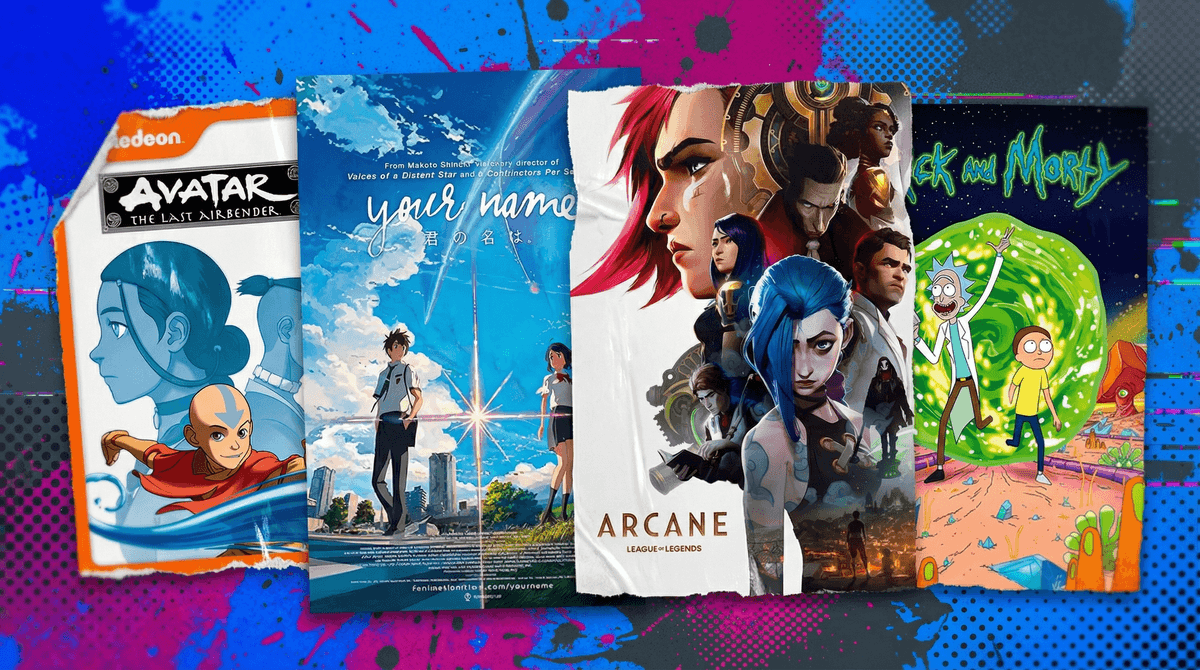
When we talk about animated TV for teens, we're looking at a massive spectrum that includes everything from thoughtful coming-of-age anime like Your Name to straight-up adult cartoons that teens are absolutely watching like Rick and Morty and BoJack Horseman. There's Avatar: The Last Airbender (perfect for teens), Arcane (stunning but intense), and then there's stuff like Big Mouth which... we need to talk about.
The animation landscape has exploded, and the lines between "kids' cartoons," "teen animation," and "adult animation" are blurrier than ever. Your teen isn't necessarily watching Saturday morning fare anymore—they're binging complex narratives with sophisticated themes that just happen to be drawn instead of filmed.
There's actually some fascinating stuff happening here. Animation offers storytelling freedom that live-action can't match—you can explore fantastical worlds, exaggerate emotions, and tackle heavy themes with a buffer that makes them more digestible.
Anime in particular has become mainstream teen culture. It's not niche anymore. According to industry data, over 70% of teens have watched anime, and it's not just Pokémon and Dragon Ball Z. They're watching Demon Slayer, My Hero Academia, Attack on Titan, and Jujutsu Kaisen.
Adult animation appeals because it feels edgy and forbidden. Shows like Family Guy, South Park, and Rick and Morty use animation as a trojan horse to discuss philosophy, politics, and existential dread while making dick jokes. Teens eat this up because it feels smart and subversive.
Story-driven animation like Arcane, Castlevania, and Invincible delivers cinematic quality with emotional depth that rivals any prestige drama. The animation medium allows for visual storytelling that's genuinely breathtaking.
Here's where it gets tricky: ratings are almost useless for animation. A TV-14 anime might have brutal violence but zero sexual content. A TV-MA adult cartoon might be wall-to-wall crude humor but relatively harmless. And some "kids' shows" tackle themes more mature than half of what's rated for adults.
Actually Great for Teens (Ages 13+)
- Avatar: The Last Airbender and The Legend of Korra - Complex themes, war, loss, identity, but age-appropriate
- Haikyuu!! - Sports anime about volleyball that's genuinely inspiring
- Spy x Family - Wholesome spy comedy with heart
- The Owl House - LGBTQ+ representation, magic, found family
- Arcane - Stunning animation, but heads up: violence and heavy themes (better for older teens 15+)
Proceed with Caution (Ages 15-16+)
- Death Note - Psychological thriller about morality and power
- Invincible - Superhero show with GRAPHIC violence (seriously, it's intense)
- Castlevania - Dark fantasy, gore, sexual content
- Attack on Titan - Violence, existential horror, war themes
The "They're Watching It But Should They?" Category
- Rick and Morty - Nihilistic humor, sexual content, substance use. It's clever, but it's also deliberately offensive and can promote pretty cynical worldviews.
- Big Mouth - About puberty, so parents think "educational!" But it's EXTREMELY graphic about sexuality. There's a difference between sex education and... this.
- Family Guy / South Park - Edgy humor that relies heavily on shock value, stereotypes, and offensive jokes. Your call on whether that's teaching critical thinking or just normalizing meanness.
Violence in anime is often way more graphic than you expect. The art style can be cute, and then someone's getting dismembered. Demon Slayer is gorgeous and has great themes, but the violence is no joke.
"Adult animation" often means crude, not mature. There's a difference between sophisticated adult themes and just... lots of sex jokes and gore. Some shows use animation to be transgressive without actually saying anything meaningful.
Fan service in anime is a real thing. Some shows have unnecessary sexualization of characters, including minors. It's baked into certain genres (looking at you, some shonen anime). Worth knowing what your teen is watching.
The binge factor is real. Animated series are designed to be addictive. Teens will "just watch one more episode" until it's 2 AM and they've consumed an entire season. The storytelling is often cliffhanger-driven.
Watch with them, at least initially. I know, I know. But watching the first few episodes of what they're into gives you actual context for conversations. Plus, some of this stuff is legitimately good.
Talk about the difference between animation styles and target audiences. Help them understand that just because something is animated doesn't mean it's appropriate (or inappropriate). It's a medium, not a genre.
Discuss the themes, not just the content. Instead of "too violent," try "what do you think the show is saying about violence?" Some shows use graphic content to make anti-war statements. Others are just violent for shock value.
Use it as a window into their world. What they watch tells you what they're thinking about. Watching Your Lie in April? They might be processing grief. Into My Hero Academia? They're thinking about heroism and purpose.
Set boundaries around adult content, but be specific. "No TV-MA shows" is less effective than "I'm not comfortable with you watching shows with graphic sexual content, but we can discuss mature themes."
Animation for teens is a legitimate art form with incredible storytelling potential. It's also a Wild West of content that ranges from profound to profane, often within the same show.
Your teen is going to watch some of this stuff. The question isn't whether to allow animation (that ship has sailed), but how to help them develop critical viewing skills and boundaries that make sense for your family.
Some of the best television being made right now is animated. Some of the worst is too. Your job isn't to ban the medium—it's to help them navigate it thoughtfully.
Start here: Ask your teen what they're watching. Actually watch an episode. Have a real conversation about it. You might be surprised by both the quality of the show and the depth of their thinking about it.
Want to explore specific shows your teen is asking about? Or check out our guides on anime for beginners and understanding anime ratings.