Beyond the Talking Animals
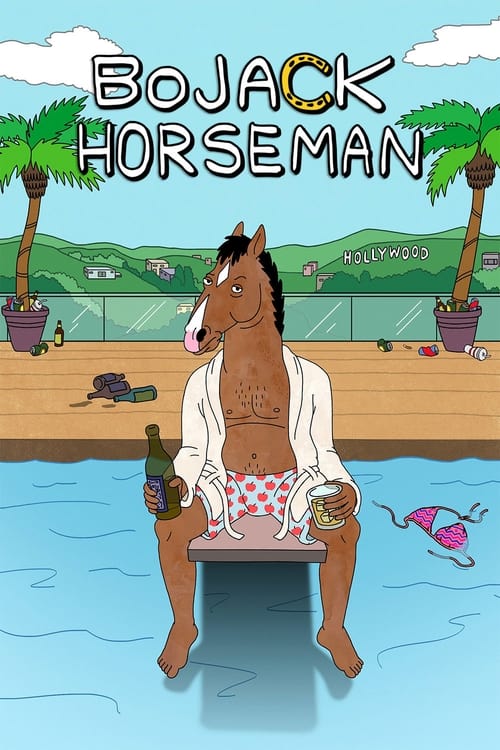
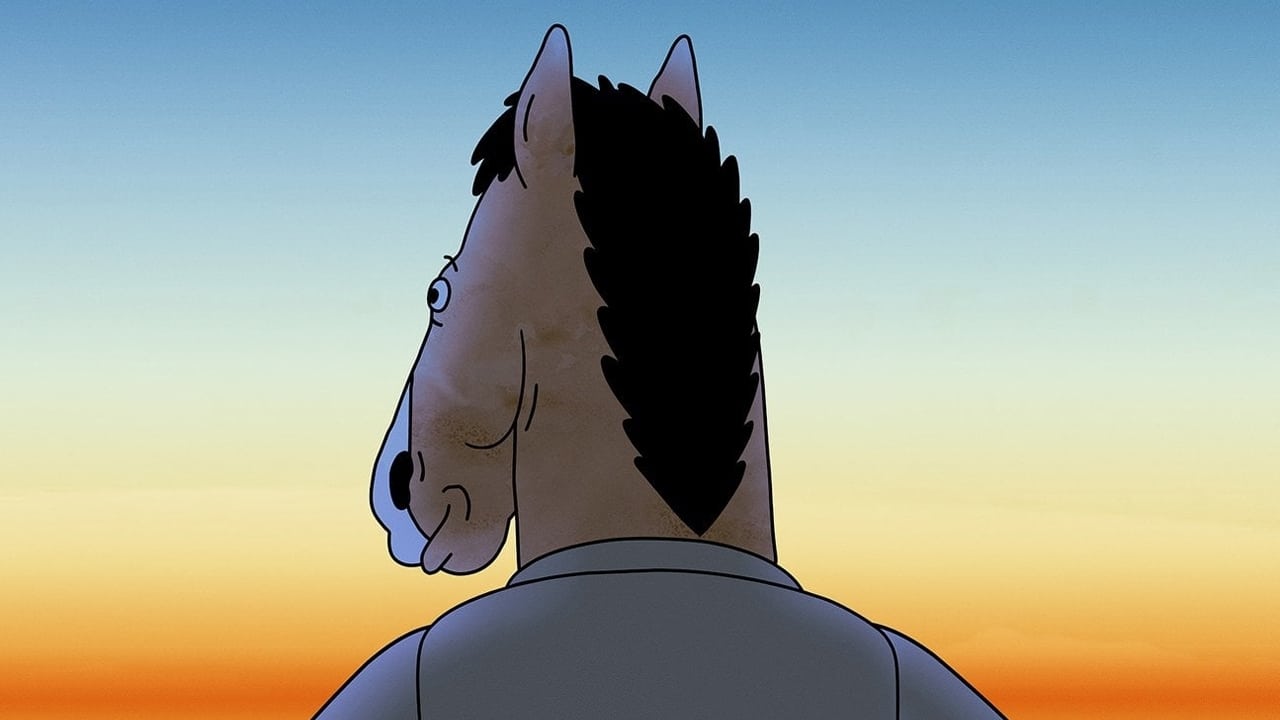
When Netflix debuted BoJack Horseman in 2014, the initial episodes looked like a familiar brand of cynical adult animation: crude jokes, celebrity parodies, and an anthropomorphic horse living in a luxury Hollywoo villa. Around episode seven of the first season, the series completely shifted gears.
Instead of resetting every twenty minutes like a standard cartoon, BoJack leaned heavily into serialized consequences. Actions from season one echo all the way to season six. When characters spiral, friendships permanently end. When someone relapses, people get hurt. The show rejects the sitcom trope where a heartfelt apology resets the board for next week.
Standout Craft
The series produced some of the most inventive half-hours in television history:
- Fish Out of Water (Season 3, Episode 4): An almost entirely silent underwater episode that relies strictly on pantomime, physical comedy, and atmospheric music.
- Free Churro (Season 5, Episode 6): A continuous, unbroken twenty-minute eulogy delivered by BoJack at the wrong funeral, serving as a masterclass in voice performance by Will Arnett.
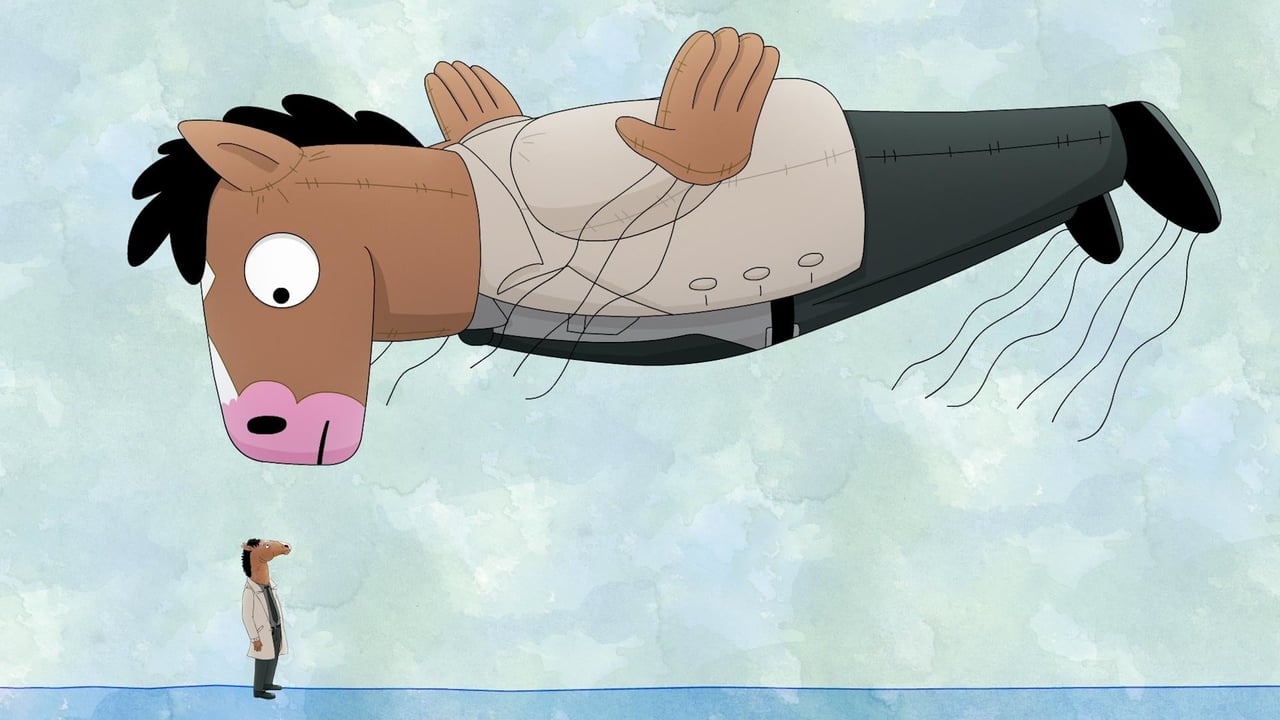
- The View from Halfway Down (Season 6, Episode 15): A harrowing, poetic dreamscape inside a dying mind that confronts the permanence of suicide with chilling clarity.
How to Approach It with an Older Teen
If you have a 16- or 17-year-old watching this, the move is to engage with the themes rather than ignore them. The series resonates deeply with teens because it addresses existential loneliness and self-doubt without the condescending after-school-special tone.
The watch-out is romanticization. BoJack is a compelling protagonist, but he is repeatedly toxic. The smartest conversations you can have while watching together focus on Diane, Princess Carolyn, and Todd, who gradually figure out how to set boundaries with people who refuse to get healthy.