The "It’s Just a Cartoon" Trap
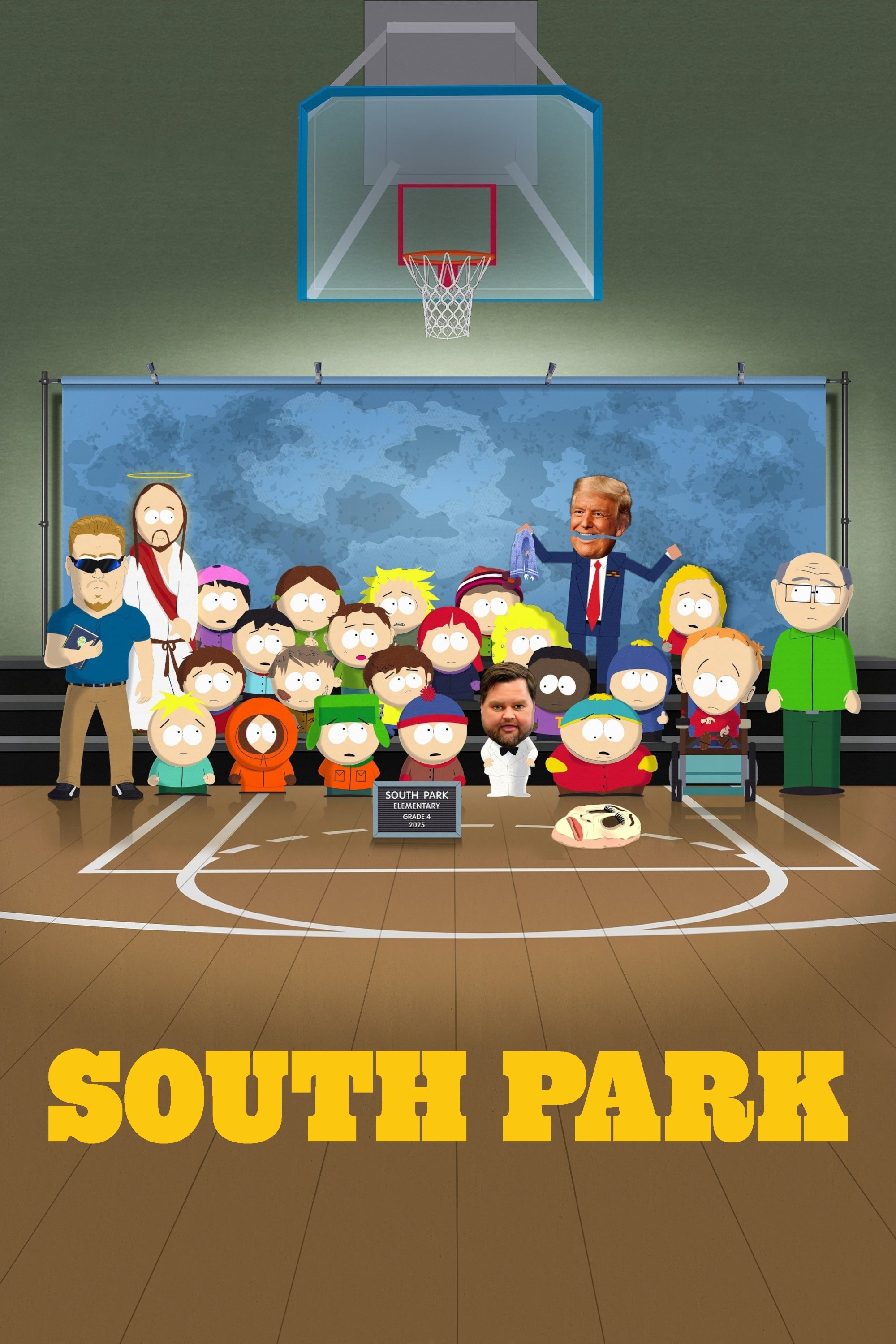
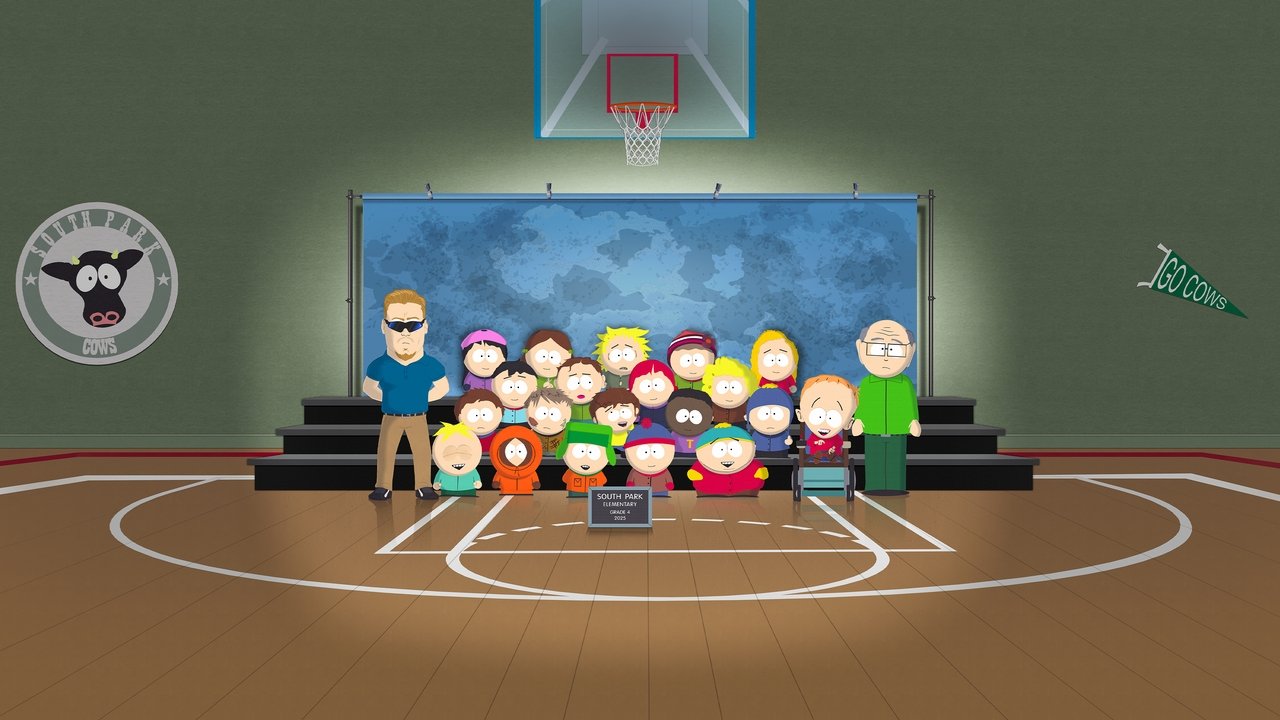
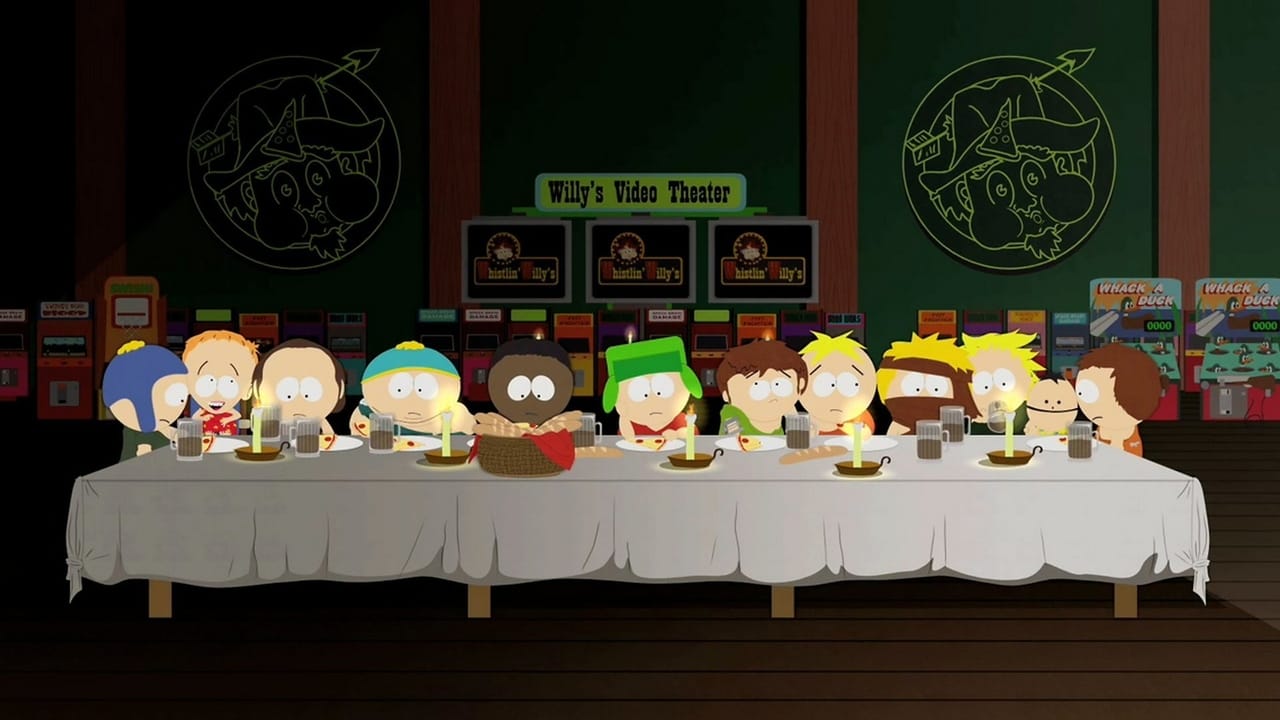
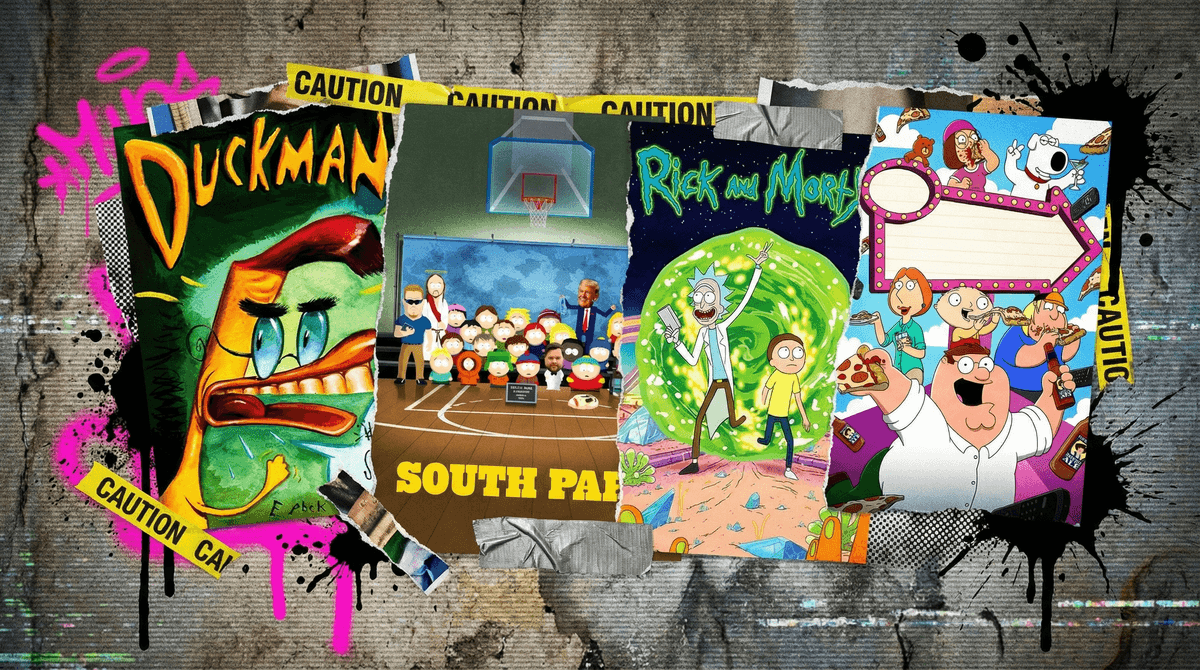
Parents often fall into the animation trap because the characters look like something out of a kindergarten classroom. But there is a massive gulf between the "edgy" humor of a PG-13 movie and what happens in this show. South Park is a nihilistic, hyper-fast commentary machine. If your teen is suddenly interested in it, it’s likely because the show has mastered the art of the viral moment. It is the original "shock humor" that paved the way for the weirdly aggressive brainrot memes they see on social media today.
The Satire is the Point, Not the Profanity
Critics give the show high marks—including an 8.7 on IMDb—not because they love hearing fourth-graders curse, but because it is one of the few pieces of media that moves at the speed of the internet. Because the creators can turn an episode around in under a week, they’re mocking cultural trends while the hashtags are still trending.
For a mature teen, this can actually be an educational exercise in media literacy—if they can separate the "gross-out" gags from the actual argument. If they’re just laughing because a character said something racist or homophobic, they’re missing the point. The show isn't usually endorsing that behavior; it’s using the characters as avatars for the worst parts of our culture.
"South Park is a satirical animated series created by Trey Parker and Matt Stone that isn't meant for young kids." — Common Sense Media
Where it Sits in the Teen Landscape
If you’re looking for animated TV for teens that bridges the gap between childhood cartoons and adult cynicism, this is the deep end of the pool. It’s more aggressive than Family Guy and more topical than The Simpsons. It’s a trial by fire for a kid’s ability to handle irony.
If your kid is obsessed with the absurdist, fast-paced humor of modern internet culture, South Park will feel familiar. But where a lot of modern teen comedies try to be relatable, this show tries to be confrontational. It’s the difference between a comedian telling a funny story about high school and a comedian heckling the entire front row of the theater.
The "Ick" Factor vs. The "Aha" Moment
There are episodes that have aged like milk. Early seasons rely heavily on shock value that feels a bit dated now. However, the middle and later seasons—including the various "Streaming Wars" and pandemic specials found on platforms like Paramount+—focus on massive structural parodies of Disney, the healthcare system, and tech giants.
The friction for parents usually isn't the politics; it’s the sheer relentlessness of the "gross-out" factor. There is no such thing as a "light" episode. If you decide to let a 16-year-old watch, be prepared for them to see things that are intentionally designed to make you uncomfortable. That discomfort is the show’s entire brand.