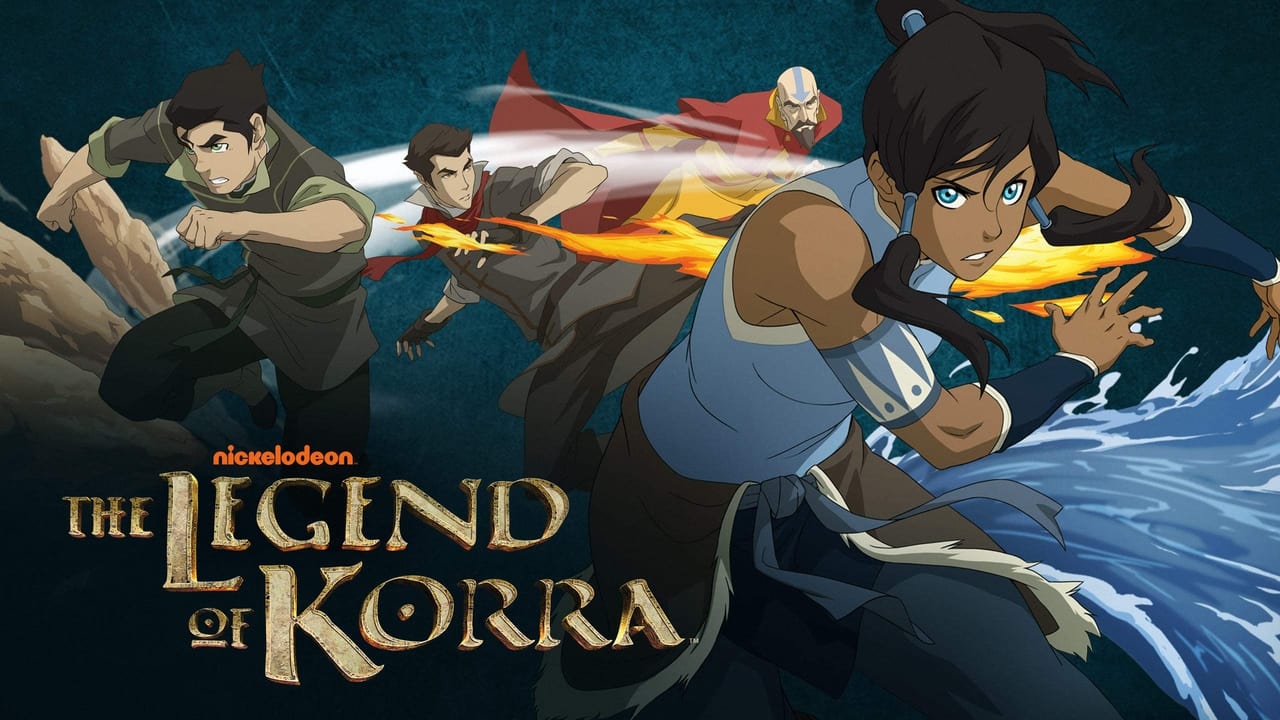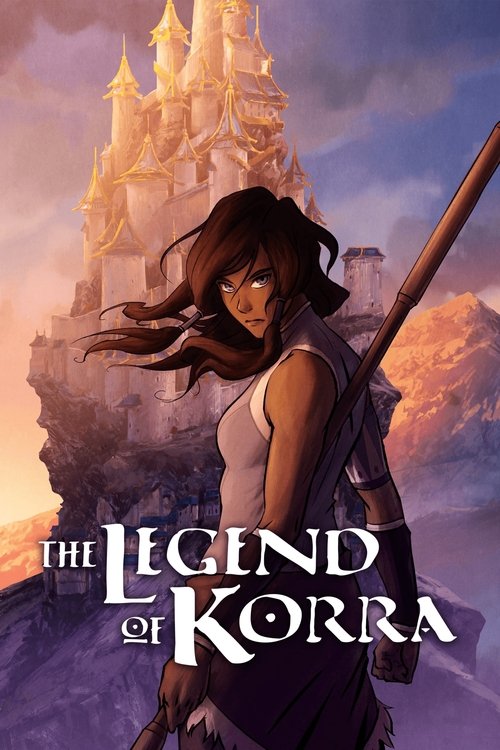

The Legend of Korra

The Legend of Korra

show

TV-PG, 2012, Animation, Action & Adventure

WISE
78%

WISE Score

89

Avg. Tomatometer

Avatar Korra kicks butt and confronts her inner demons in this gorgeous, surprisingly mature sequel series that doesn't talk down to its audience.

IMDb8.3
RT Critics89%
TMDB8.2
Common Sense Media
Where to Watch
Loading streaming options...
Screenwise Verdict

The Legend of Korra is that rare sequel that respects its audience enough to grow up with them. It's darker, more emotionally complex, and tackles themes that would make most children's networks nervous—which is exactly why Nickelodeon quietly shuffled it online partway through.

This isn't Avatar: The Last Airbender 2.0, and that's by design. Where Aang's journey was about a child learning to accept responsibility, Korra's is about a young adult learning she doesn't have all the answers. She fails. She struggles with mental health. She makes terrible relationship choices. She has to rebuild herself from the ground up. It's genuinely mature storytelling wrapped in gorgeous animation.

The action is intense—more so than many parents expect from a Nickelodeon show. Villains use psychological torture, there's implied suicide, and the violence, while not graphic, is definitely present. But the show earns its intensity by treating these elements with weight and consequence.

For families ready for meatier conversations about politics, identity, mental health, and what it means to be a hero when the world is complicated, this is gold. Just know what you're getting into—this isn't background viewing for elementary schoolers.
Age Fit

Best for ages 10-16, though mature 8-9 year olds who handled Avatar: The Last Airbender well might be ready. The emotional complexity and darker themes make this legitimately more appropriate for tweens/teens than younger kids, despite being animated.

WISE Breakdown
Wholesome
72

Korra is described as headstrong and rebellious, which models independence but also challenges authority in ways that may not always demonstrate cooperation. The show deals with mature themes like political upheaval, trauma, and internal struggle. However, it does model growth, resilience, and the importance of finding balance. The tone is generally age-appropriate for tweens/teens, though darker than its predecessor. Pacing is well-balanced for an action-adventure series.

Imaginative
88

The Avatar universe is richly imaginative, blending Eastern philosophy, elemental bending powers, and a unique 1920s-inspired industrial world. The show explores complex political systems, spiritual connections, and creative problem-solving. It invites viewers to think about balance, identity, and how tradition intersects with progress. The world-building is exceptional and encourages curiosity about different cultures and philosophies.

Safe
68

While kids mode is available on some platforms, the show contains moderate action violence, some intense/scary sequences, and deals with heavier themes including PTSD, suicide ideation (implied), and toxic relationships. There's romantic content including LGBTQ+ representation (which is positive but may prompt family discussions). Some villains are genuinely frightening and use psychological manipulation. No gore or sexual content, but the emotional intensity and violence are notably higher than typical kids' animation. Not shocking for the genre, but parents should preview.

Enriching
85

The show tackles sophisticated themes: political ideologies (equality, freedom, order), mental health, trauma recovery, identity, and the cost of leadership. Korra's journey from impulsive youth to mature Avatar offers meaningful character development. It explores ethical dilemmas without easy answers, encourages empathy for complex characters, and presents diverse representation. The show respects its audience's intelligence and provides substantial material for reflection and discussion.

Parent Info

Why It Might Be Great

  • Tackles genuinely complex themes—political philosophy, mental health, identity—without dumbing them down for kids
  • Features a strong, flawed female protagonist who grows meaningfully across four seasons
  • Groundbreaking LGBTQ+ representation in animation (especially for 2012-2014)
  • Stunning animation and fight choreography that holds up beautifully today
  • Respects young viewers' intelligence while delivering compelling action-adventure storytelling

What to Watch For

  • Significantly darker and more violent than Avatar: The Last Airbender—some villains are genuinely disturbing
  • Season 1's antagonist uses psychological torture; Season 3 features an attempted murder-suicide scene
  • Korra experiences PTSD and depression in Season 4, shown with surprising depth
  • Romantic relationships are more prominent and sometimes unhealthy (though this is addressed)
  • The show was moved online mid-run, which tells you something about how Nickelodeon felt about its intensity

Conversation Starters

  • "Amon wanted equality for non-benders. Do you think he had a point, even if his methods were wrong?"
  • "How did you feel watching Korra struggle with her confidence after fighting Zaheer? Have you ever felt like you lost part of yourself?"
  • "What do you think about Korra and Asami's relationship? How has representation in cartoons changed since this show aired?"
  • "Which villain's philosophy was most interesting to you—and which was most dangerous?"
  • "Why do you think it was so hard for Korra to ask for help when she was struggling?"
Stills
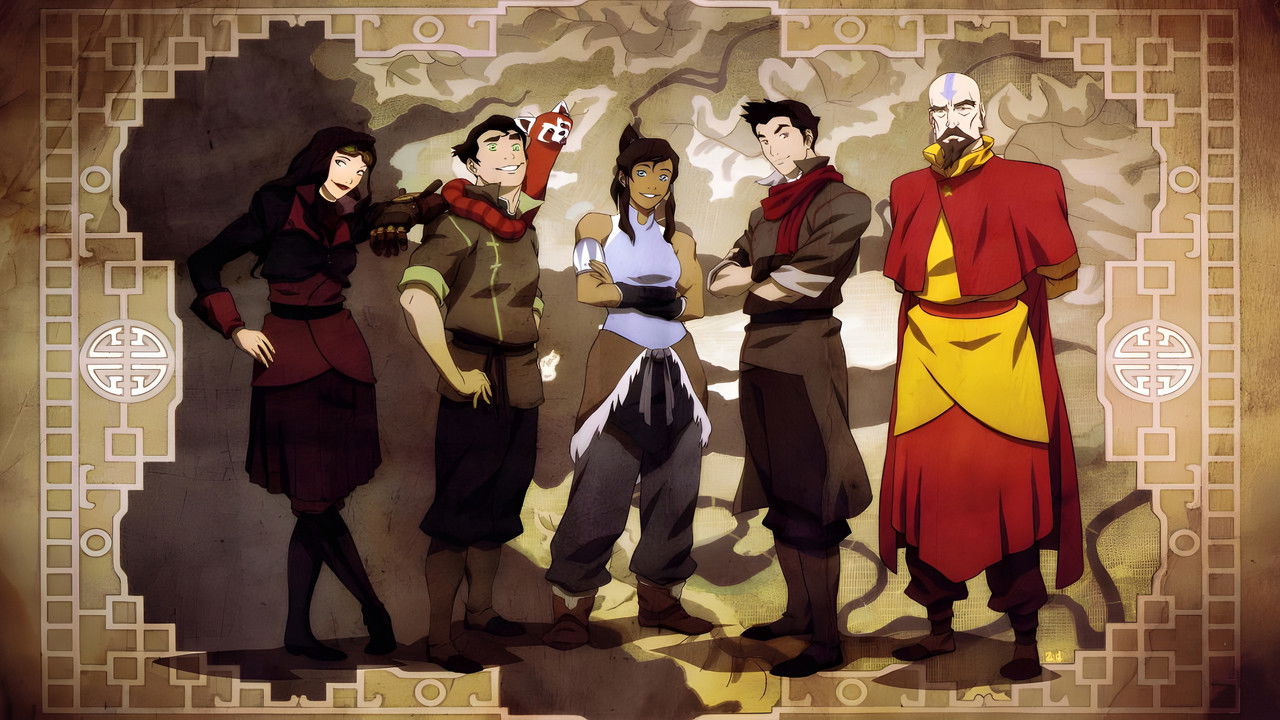
The Legend of Korra — still 1
The Legend of Korra — still 2
The Legend of Korra — still 3
The Legend of Korra — still 4
The Legend of Korra — still 5
The Legend of Korra — still 6
The Legend of Korra — still 7
The Legend of Korra — still 8

Ask Anything

Get a personalized guide on any topic

Related Guides