Fortnite is engineered to be irresistible. That's not an accident. | Screenwise

A parent’s playbook

Fortnite is engineered to be irresistible. That's not an accident.

Best for 13+, with active parental setup. Disable voice chat first, set a V-Bucks budget before the first match, and keep the device in a shared space.

WISE 52

The bottom line

The cultural phenomenon where 100 players fight to the last while building forts—and your kid begs for V-Bucks every other day.

Fortnite is the reigning champ of where kids hang out online, and that's both its strength and its problem.

The building mechanic is legitimately creative, the cartoon violence is relatively tame, and yes, it's a genuine social space for this generation.

But let's be real: the game is engineered to keep kids playing and spending.

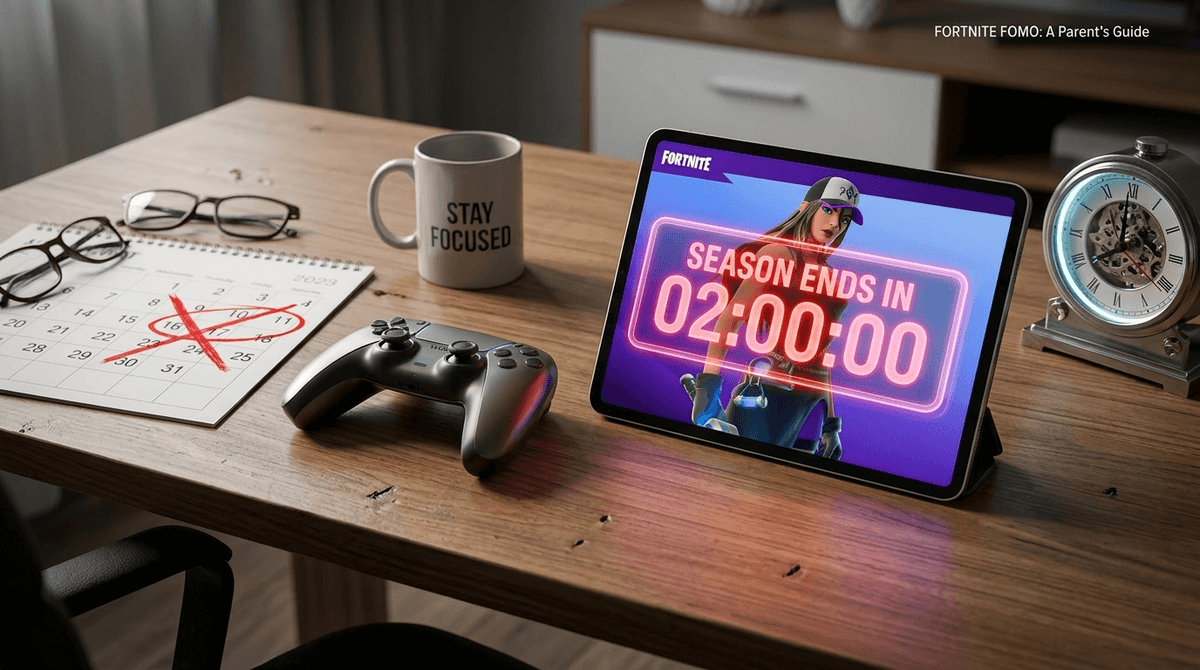
The Battle Pass, limited-time skins, and seasonal events create relentless FOMO.

Voice chat with strangers opens the door to toxicity and worse.

And the dopamine loop of 'drop, loot, eliminate, repeat' can become genuinely compulsive.

If your 13-year-old is asking to play, it's not unreasonable—but only if you're willing to have hard conversations about online safety, spending limits, and screen time, and actually configure the parental controls (disable voice chat, restrict who can friend them, set spending caps).

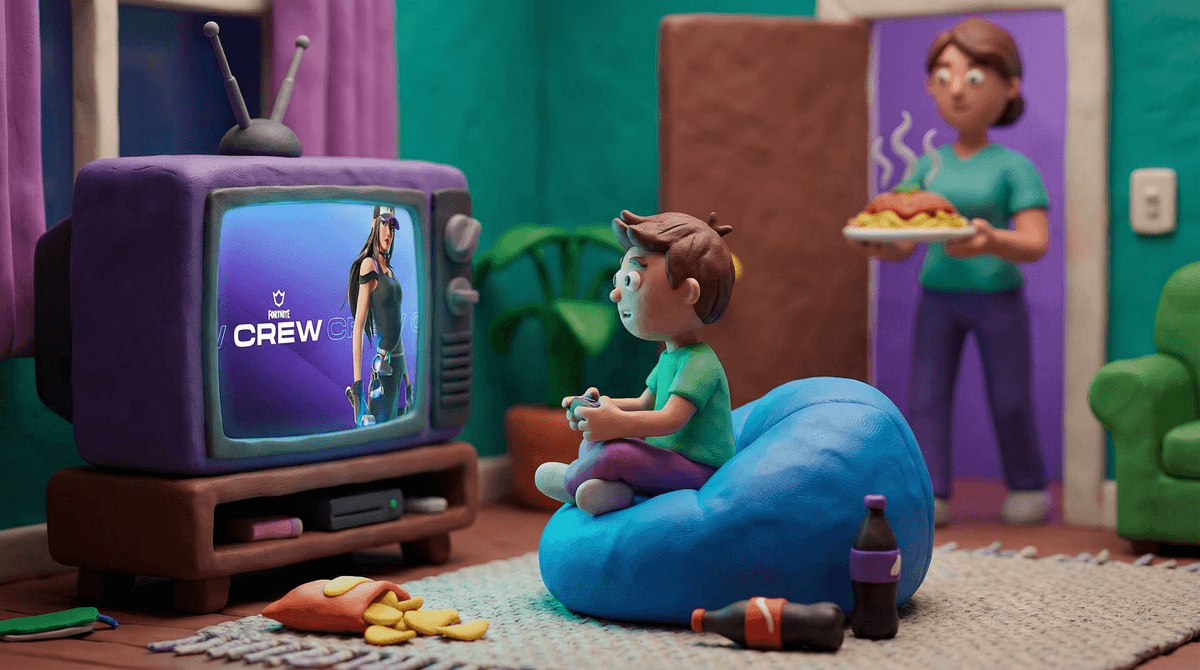
Keep the device in a shared space.

Check in regularly.

For younger kids?

The LEGO Fortnite mode is a better starting point, but even then, you need guardrails.

This isn't a 'set it and forget it' game—it requires active parenting.

Wholesome

62/100

Cartoon-style violence without blood or gore keeps it lighter than realistic shooters. The 'last one standing' premise is inherently competitive rather than cooperative, though team modes exist. The constant cosmetic updates and Battle Pass system create FOMO and social pressure around appearances. Pacing can be frenetic with 100-player matches and quick eliminations.

Imaginative

78/100

The building mechanic is genuinely creative—mid-combat construction requires spatial thinking and improvisation. Frequent crossovers (Marvel, Star Wars, LEGO) keep the world fresh and surprising. The newer LEGO Fortnite mode adds sandbox exploration. However, the core loop is still 'drop, loot, shoot' rather than open-ended creation.

Safe

38/100

Voice and text chat with strangers is a significant risk, exposing kids to toxic language and potential predators. The Battle Pass and V-Bucks system is designed to drive spending through limited-time cosmetics and social comparison. Parental controls exist but require active setup. The always-online nature and seasonal FOMO mechanics can create compulsive play patterns. While the violence is cartoonish, the game is built around elimination and combat.

Enriching

54/100

Building under pressure develops quick spatial reasoning and resource management. Team modes require communication and strategy. The game has become a genuine social hub where friendships are maintained. However, most time is spent in repetitive combat loops rather than skill-building or meaningful narrative. The cosmetic focus teaches spending habits more than critical thinking.


Is Fortnite right for your kid specifically?


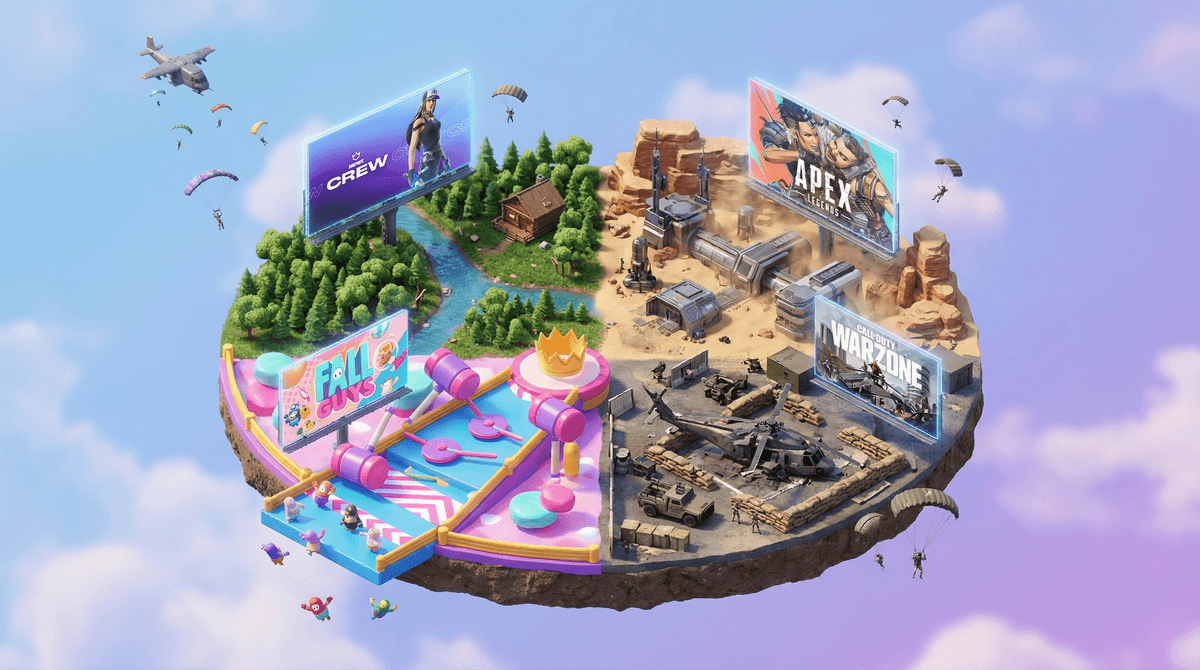
Fortnite is not just a game. It's the digital playground where a generation of kids hangs out, trash-talks, shows off outfits, and maintains friendships. The battle royale — 100 players, one island, last person standing — is almost beside the point. The real thing Fortnite sells is belonging. And it's very, very good at it.

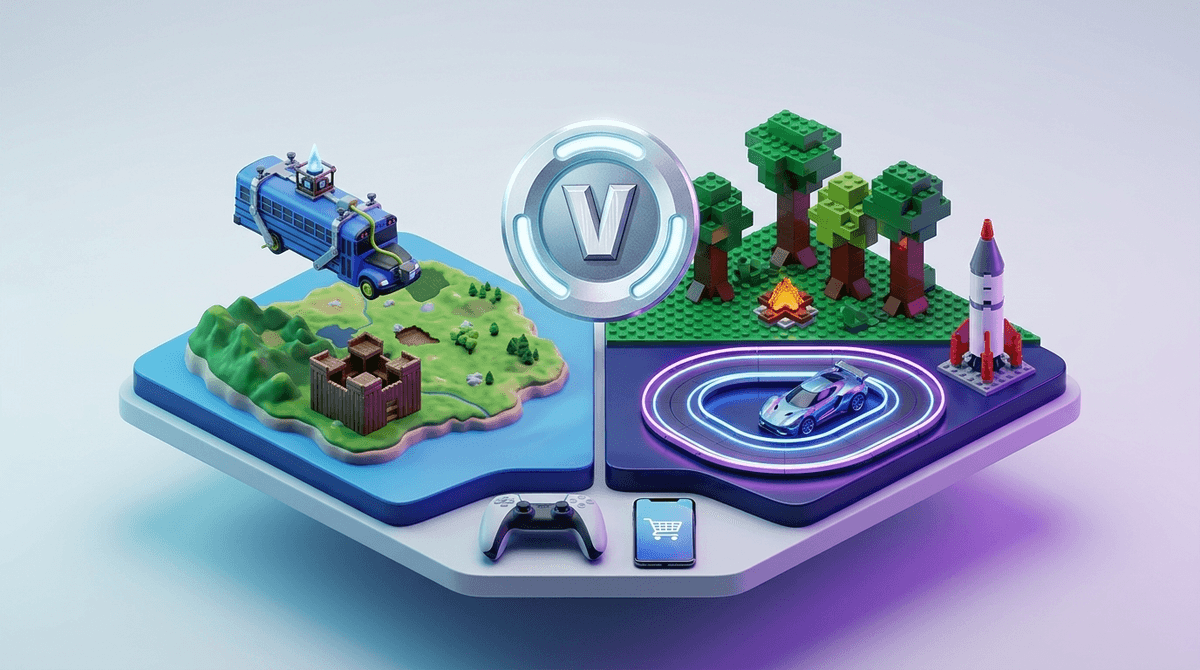
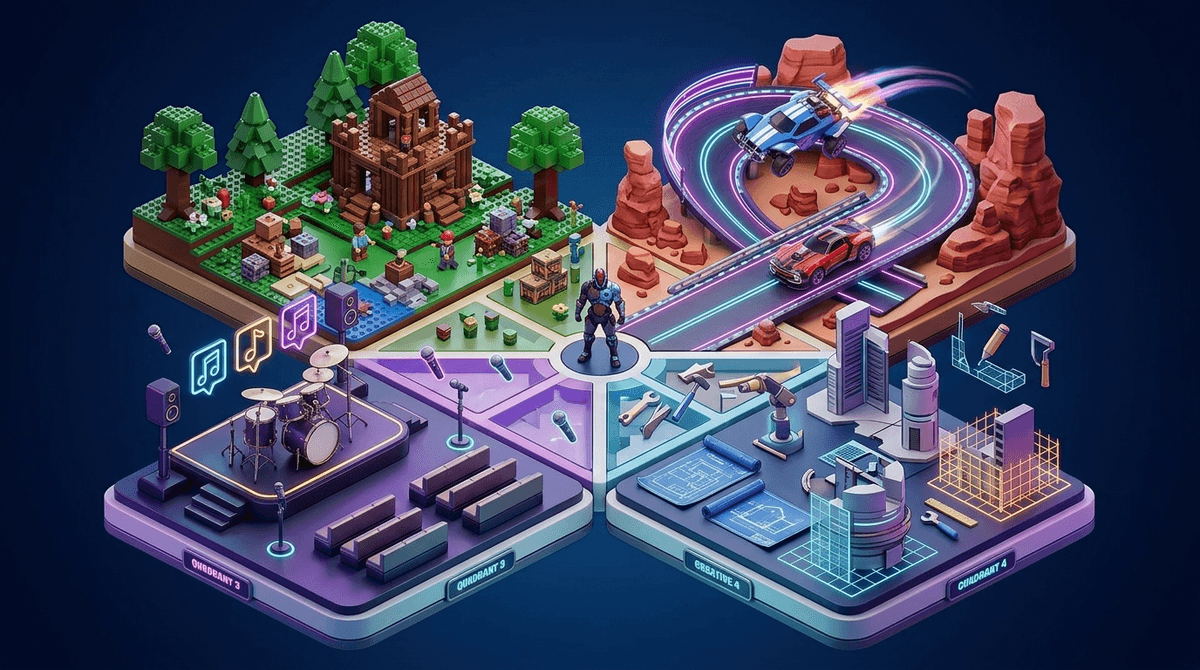
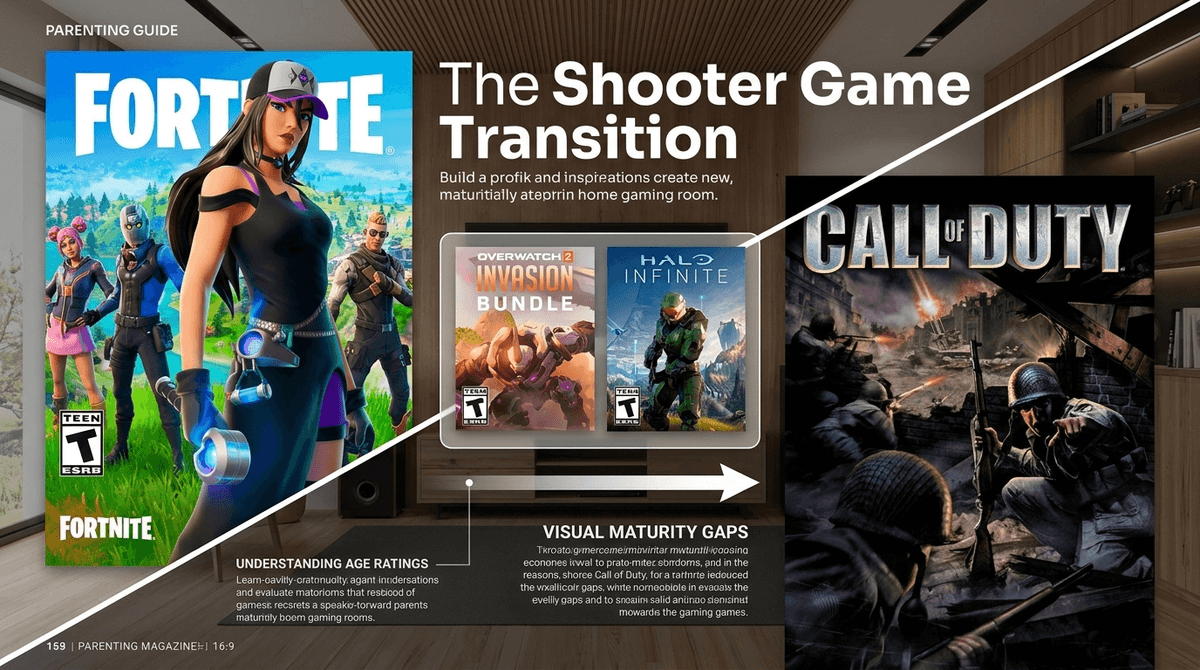
The mechanics are legitimately clever. Building a fort mid-firefight requires real spatial thinking. The cartoon art style keeps the violence lighter than Call of Duty — no blood, no gore, nobody screaming in agony. Epic has layered in LEGO Fortnite (a survival-crafting mode that plays more like Minecraft than a shooter), Fortnite Creative (where players build their own maps), and a rotating roster of crossover events with Marvel, Star Wars, and other franchises. Your kid's screen time might actually be split between building, exploring, and the occasional match.

We score children's media on four dimensions — Wholesome, Imaginative, Safe, and Enriching — and Fortnite hits 62, 78, 38, and 54. That Safe score of 38 is the one to sit with. It reflects real, specific risks: voice chat open to strangers by default, a V-Bucks economy designed by professionals to extract money, and a seasonal loop engineered to create compulsion. The overall score of 52 lands squarely in "proceed with eyes open" territory — not a ban, but not a hands-off situation either.

Fortnite is rated T for Teen (13+), and that's a reasonable line. The kids who do best with it are the ones whose parents set the rules before the first match — not after six months of unchecked play. The list is short: disable voice chat with strangers, set a hard V-Bucks budget, put the device in a shared room, and actually play it with your kid once or twice so you understand what you're dealing with.

For under-13s, the LEGO Fortnite mode is a genuinely softer entry point. It's slow-paced, cooperative, and creative — structurally closer to Minecraft than to a shooter. But it still lives inside the Fortnite ecosystem, which means the Item Shop and Battle Pass are always one menu away. That's not a reason to say no. It's a reason to be the parent who knows what's on that menu.


The real design of Fortnite isn't the shooting. It's the loop that never lets you stop.

The Battle Pass is the mechanism worth understanding. Every season, Epic releases a pass for roughly $10 that unlocks cosmetics — skins, emotes, back bling — as you accumulate XP by playing. The catch is the time limit: the season ends, and anything unearned is gone. This creates a very specific kind of anxiety in kids: not "I want to play," but "I have to play before the season resets." That's not engagement. That's engineered urgency. Add in the daily Item Shop, where limited-time skins rotate in and out with countdown timers, and you have a system designed by behavioral economists to make spending feel urgent and normal. The fix isn't complicated — set a monthly V-Bucks budget (or zero) before your kid ever logs in. Change it only deliberately, not in response to begging. Once the precedent is set, holding the line gets much easier.

The other thing worth knowing: voice chat with strangers is on by default, and this is the biggest actual safety risk in the game. Kids in a squad with randoms will hear adults, older teens, and people who are sometimes aggressively toxic — and occasionally something worse. Epic's parental controls let you restrict voice chat to friends-only or disable it entirely, but you have to go set it up at epicgames.com/account, not in the game itself. Do this before your kid plays their first match. While you're there, set up a Cabined Account for younger players and enable PIN-protected spending controls. It takes about fifteen minutes and closes most of the real risks.

One more thing: the "just one more match" loop is real. A standard match runs 20-25 minutes, but being eliminated early means starting another immediately. There's no natural stopping point built into the game — no end-of-episode moment, no save-and-quit screen. Kids who struggle with transitions will struggle with Fortnite specifically. Alarms don't work well here because the social cost of leaving mid-match feels real to kids. A better approach: set a "matches per session" limit rather than a time limit, so the end point is predictable and doesn't strand teammates.


Where to start.

LEGO Fortnite (Odyssey mode)

**The softest on-ramp into the Fortnite ecosystem.** LEGO Fortnite is a survival-crafting mode with no shooting, no elimination anxiety, and a pacing closer to Minecraft than to a battle royale. Kids gather resources, build structures, and explore an open world. For younger players or kids new to Fortnite, this is the place to start — it gives them a foothold in the social universe their friends are talking about without the competitive pressure or the "last one standing" stakes. Age fit: 9–12 as a starting point, though the broader ecosystem's Item Shop is still accessible.

Duos or Squads with known friends only

**The safest way into Battle Royale proper.** Playing with a known friend or sibling — not matchmade strangers — removes most of the voice chat risk and changes the whole emotional tenor of the game. It becomes genuinely collaborative, and the building mechanic shines when you're coordinating with someone you trust. Set voice chat to friends-only before this session, confirm the squad is actually people your kid knows, and play your first match alongside them so you understand the loop. Age fit: 13+, per Epic's own rating.

More →

Fortnite Creative (Island browsing)

**Where the game's best creative energy lives.** Fortnite Creative lets players build custom maps and game modes — and browse thousands of islands made by others. Some of these are genuinely inventive: puzzle maps, story modes, prop hunts, racing tracks. For kids who like building and designing more than competing, this mode is a legitimate creative tool. It also requires zero combat. The catch is that Creative still lives inside the Fortnite client, so parental controls and spending limits still apply.

More →

After they play.

A few things worth asking when they put the controller down:

  • When you get eliminated early in a match, what does that feel like? Do you want to play another one right away?
  • Have you ever heard anything in voice chat that made you uncomfortable? What did you do?
  • If you could design your own Fortnite skin, what would it look like — and would you actually spend money on it?
  • What's the difference between a skin that's free from the Battle Pass versus one you buy in the Item Shop? Which feels better to get?
  • Is there anyone in your squad you don't actually know in real life? How'd they end up there?

If you like Fortnite

What else pairs well.

Shows, games, movies, and books with the same energy as Fortnite, curated by hand. WISE-rated.

Browse all rated media

If Fortnite is too fast-paced

Slow it down.

Calmer alternatives across shows, games, and books — for the youngest viewers or for winding down before bed.

Browse all rated media

If your kid has outgrown Fortnite

Graduate to these.

Same warmth, slightly older audience. Mix of shows, games, movies, and books for kids ready for more plot.

Browse all rated media


The extended universe.

Featured Media

What other families are actually doing.

The next time your kid says “but everyone” about a phone, a TikTok account, or a new app — here’s the actual data by grade.

What kids are watching, by grade

Sign in to personalize this guide with data from families in your school, city, and community

Fortnite Usage by Grade

No Fortnite
Offline/Creative
Friends Only
Public Matches

Gaming Console Ownership by Grade

No Console
Has Console

Discord Usage by Grade

No Discord
Uses Discord

FAQ.

Real questions parents actually ask about Fortnite


Go deeper

Read more.

More Fortnite-adjacent guides — episode breakdowns, comparisons, voice-tested takes on related shows, and the screen-time conversations every parent eventually has.

V-Bucks, Battle Passes, and the Fortnite Crew: A Parent's Guide to In-Game Spending

V-Bucks, Battle Passes, and the Fortnite Crew: A Parent's Guide to In-Game Spending

Navigate the 'multi-game ecosystem' and subscription models so your kid's favorite free game doesn't turn into a surprise monthly bill.

Read the guide
Fortnite FOMO: Why the Battle Pass Feels Like a Full-Time Job

Fortnite FOMO: Why the Battle Pass Feels Like a Full-Time Job

Everything you need to know about the 'grind' for skins and why your kid is so stressed when a season is about to end.

Read the guide
Fortnite Voice Chat Safety Settings: A Parent's Guide

Fortnite Voice Chat Safety Settings: A Parent's Guide

How to configure voice chat controls to protect your kids while they play with friends online.

Read the guide
Fortnite Restrictions for Tweens: A Parent's Guide

Fortnite Restrictions for Tweens: A Parent's Guide

Smart boundaries for Battle Royale: screen time, spending, voice chat, and age-appropriate play.

Read the guide
Fortnite: Age Ratings, Parental Controls, and Safety Guide

Fortnite: Age Ratings, Parental Controls, and Safety Guide

What parents need to know about this wildly popular battle royale game, from voice chat risks to in-game purchases.

Read the guide
How to Pause Fortnite: Sleep Mode, Sitting Out, and Managing Mid-Game Interruptions

How to Pause Fortnite: Sleep Mode, Sitting Out, and Managing Mid-Game Interruptions

What parents need to know about Fortnite's live gameplay and why 'just pause it' doesn't always work.

Read the guide
Beyond “Stranger Danger”: Helping Kids Spot Tricky Players in Roblox and Fortnite

Beyond “Stranger Danger”: Helping Kids Spot Tricky Players in Roblox and Fortnite

Teach your child to recognize grooming tactics, handle friend requests, and use safety settings in today’s most popular virtual worlds.

Read the guide
When the Battle Bus Never Stops: Navigating Fortnite Overload

When the Battle Bus Never Stops: Navigating Fortnite Overload

From Chapter 7 FOMO to the new 'metaverse' modes, here’s how to handle social pressure and pixel-perfect meltdowns without the drama.

Read the guide
Fortnite and Roblox: What Parents Need to Know

Fortnite and Roblox: What Parents Need to Know

The essential guide to the two games dominating your kids' screen time and friend conversations.

Read the guide
Battle Royale Games Explained: Fortnite, PUBG, and What Parents Need to Know

Battle Royale Games Explained: Fortnite, PUBG, and What Parents Need to Know

Why 100 players dropping from the sky has captivated millions of kids—and what to watch for beyond the violence.

Read the guide
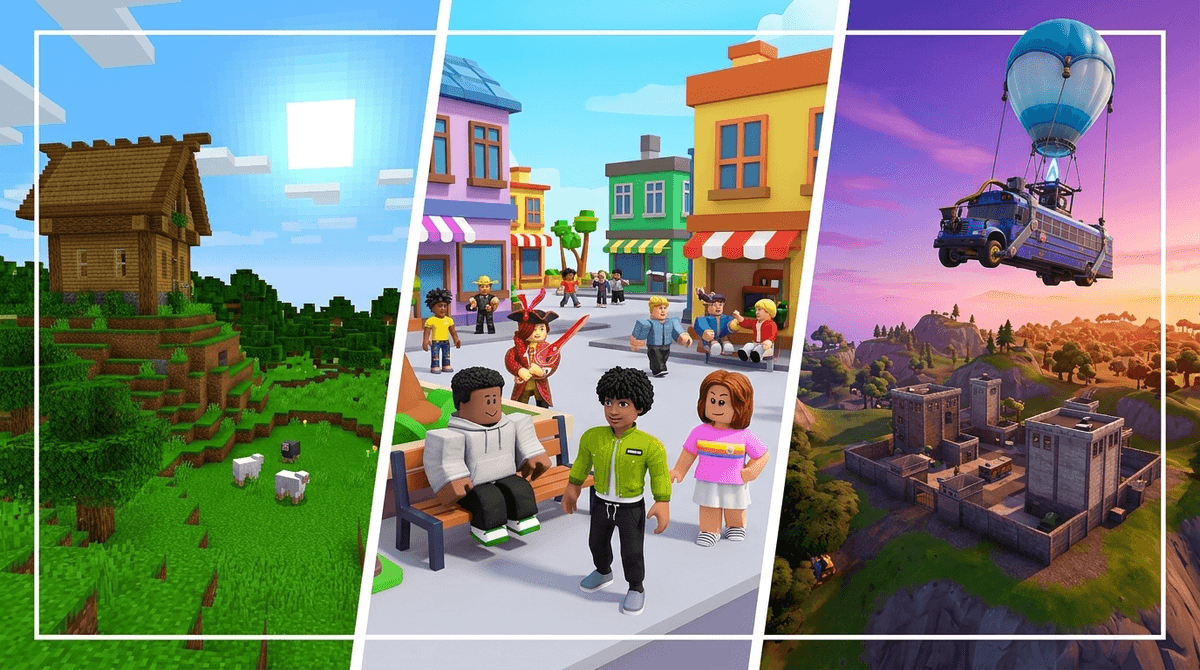
Minecraft vs Roblox vs Fortnite: Which Game is Right for Your Kid?

Minecraft vs Roblox vs Fortnite: Which Game is Right for Your Kid?

A side-by-side breakdown of costs, safety features, skills learned, and what each game says about your child's interests.

Read the guide
Fortnite is the New Roblox: Navigating the Metaverse Beyond Battle Royale

Fortnite is the New Roblox: Navigating the Metaverse Beyond Battle Royale

Learn about LEGO Fortnite, Rocket Racing, and why your kid is suddenly a game developer in Epic's rapidly expanding digital playground.

Read the guide
Protecting Kids from Fortnite Scams: V-Bucks, Fake Giveaways, and Account Theft

Protecting Kids from Fortnite Scams: V-Bucks, Fake Giveaways, and Account Theft

How to spot scams, secure accounts, and teach kids the red flags before they lose access or money.

Read the guide
From Bronze to Unreal: Navigating the High-Stakes Pressure of Fortnite’s Ranked Mode

From Bronze to Unreal: Navigating the High-Stakes Pressure of Fortnite’s Ranked Mode

Help your child manage the emotional rollercoaster of competitive climbing and the social status that comes with every rank-up.

Read the guide
"Mom, Can I Get CoD?": Navigating the Jump from Fortnite to Call of Duty

"Mom, Can I Get CoD?": Navigating the Jump from Fortnite to Call of Duty

A guide to the maturity gap, proximity chat risks, and how to tell if your gamer is truly ready for M-rated realism.

Read the guide
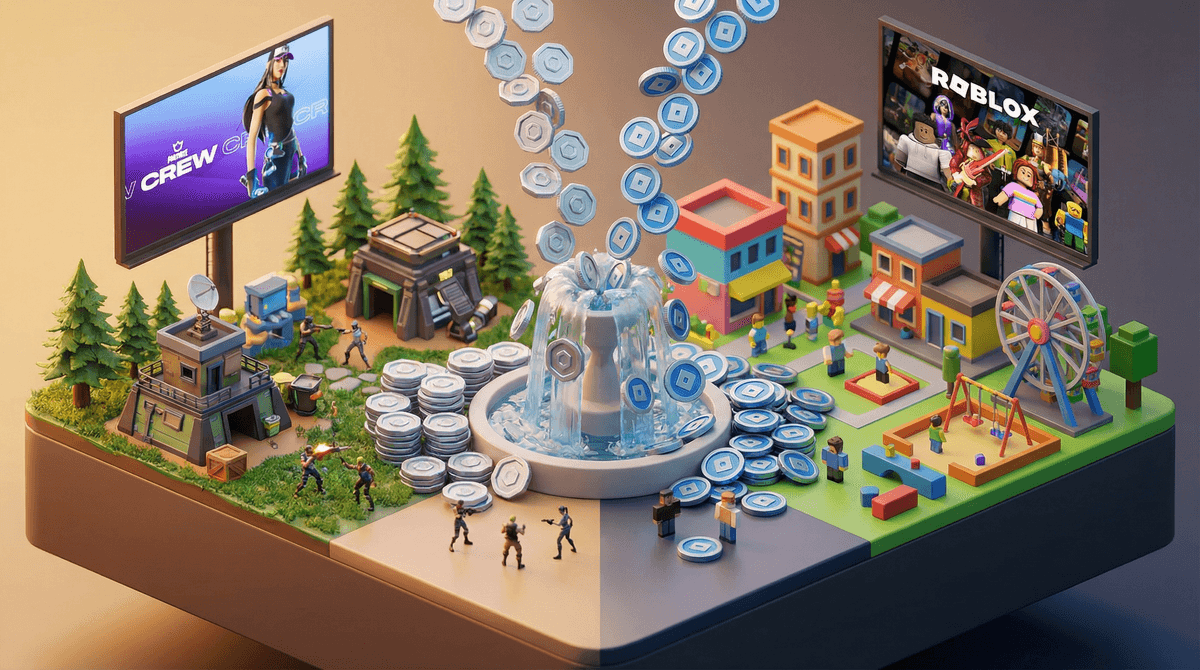
V-Bucks vs Robux: Costs and Safety for Fortnite and Roblox

V-Bucks vs Robux: Costs and Safety for Fortnite and Roblox

V-Bucks are for Fortnite and Robux are for Roblox. Compare the real-world costs, gift card safety, and how to set spending limits for your kids.

Read the guide
The V-Bucks Black Hole: A Parent’s Guide to Fortnite’s 2026 Hidden Costs

The V-Bucks Black Hole: A Parent’s Guide to Fortnite’s 2026 Hidden Costs

From the 'Exact Amount' purchase trap to triple-pass subscriptions, learn how to navigate the new psychology of Fortnite spending and set firm limits.

Read the guide

Want recs for your kid specifically?

Take the 5-minute Screenwise family survey. We’ll use it to surface the shows, games, and books that actually fit your kid — not just the generic top 10.

Take the 90-second Gut Check