

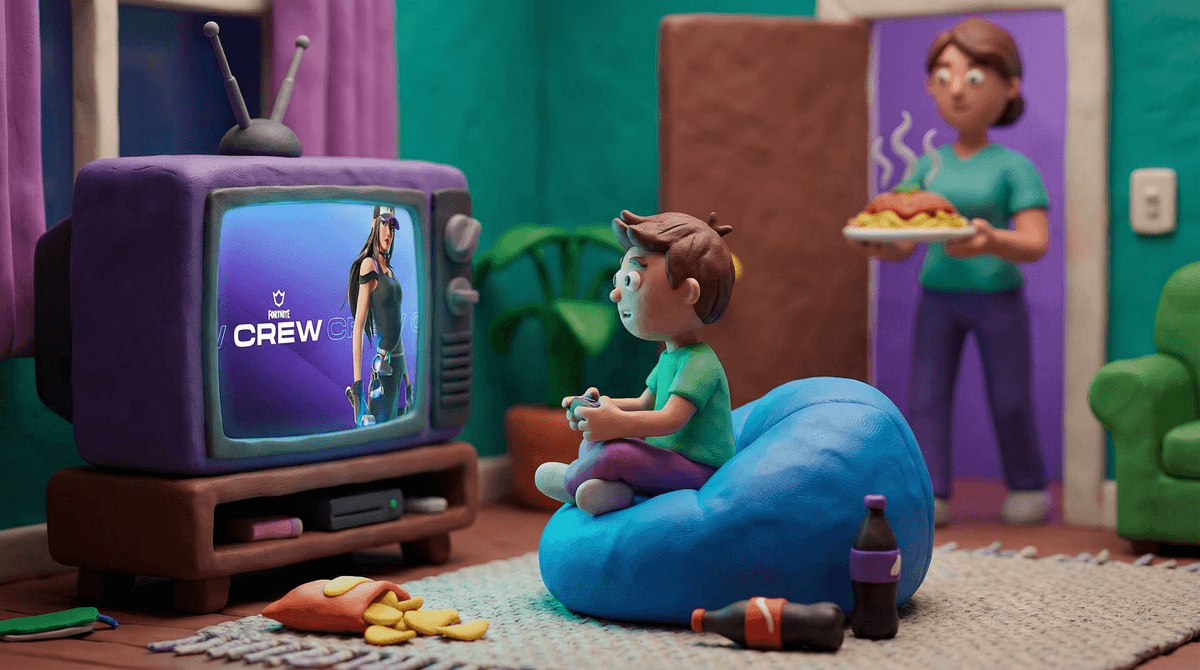
Here's a scene that plays out in thousands of homes every night: You call your kid down for dinner. They yell back "I CAN'T PAUSE IT!" You think they're being difficult. They insist they're telling the truth. Everyone gets frustrated. Sound familiar?
The thing is—they're actually right. Fortnite is a live, multiplayer game. When your kid is in a Battle Royale match with 99 other real humans, there's no pause button. The game doesn't stop because someone's mom is calling them to set the table.
This isn't unique to Fortnite—most modern multiplayer games work this way. But because Fortnite is so massively popular (we're talking millions of kids playing at any given moment), it's become the poster child for the "just pause it" standoff.
Understanding how Fortnite actually works—and what options kids DO have for stepping away—can transform this daily battle into a manageable conversation.
Fortnite has several game modes, but the main one is Battle Royale: 100 players drop onto an island, scavenge for weapons and materials, and fight until one player (or team) remains. A typical match lasts 15-25 minutes.
Because it's live gameplay with real people, there's no pause. If your character stands still, other players can (and will) eliminate you. Your teammates are counting on you. Quitting mid-match means abandoning your squad and potentially getting a temporary matchmaking penalty.
But here's what parents need to know: Fortnite DOES have modes and features that allow for breaks. Your kid just needs to know about them and use them proactively.
1. Creative Mode and Sleep Mode
Fortnite's Creative Mode is basically a sandbox where kids can build, explore custom maps, or hang out with friends without the pressure of combat. Think of it like Minecraft within Fortnite.
In Creative Mode, there's a feature called Sleep Mode (or "Away Mode" depending on the version). Here's how it works:
- Your kid can step away from the controller/keyboard
- Their character will remain in the Creative world but essentially goes inactive
- No one can eliminate them because Creative Mode typically has combat disabled (unless they're in a specific combat-enabled custom map)
- When they return, they can pick up right where they left off
The catch: Sleep Mode only works in Creative Mode or when they're in the lobby (the pre-game waiting area). It does NOT work in Battle Royale matches.
Parent tip: Encourage your kid to switch to Creative Mode if they want to keep playing but need to be interruptible. They can still have fun building, exploring community-created maps, or just hanging out, but they can step away when you need them.
2. Sitting Out in Party Royale
Party Royale is Fortnite's social hangout space—no combat, no pressure, just vibing. Kids can watch virtual concerts, play mini-games, or literally just hang out with friends' avatars.
In Party Royale, kids can effectively "sit out" without consequence. They can walk away from the screen, come back whenever, and nothing bad happens. It's the closest thing Fortnite has to a true pause-able experience.
Why kids might resist this option: It's not as exciting as Battle Royale. They're not progressing in challenges or getting Victory Royales. But for families that need flexibility, Party Royale is a solid compromise.
3. Just... Not Starting a Match
This is the simplest solution and the one that requires the most planning: Don't start a Battle Royale match if you don't have 20-25 minutes of uninterrupted time.
I know, I know—kids aren't great at time management. But this is actually a valuable life skill: learning to assess whether you have time for a commitment before you make it.
Let's be real: if your kid is in the middle of a Battle Royale match, their options are limited.
They can:
- Hide in a bush or building and hope they don't get eliminated (risky, and they're still technically in the game)
- Quit the match entirely (this abandons their teammates and might result in a temporary matchmaking penalty)
- Ask you for "just 5 more minutes" to finish the match (which might actually be reasonable if they're near the end)
They cannot:
- Pause the game
- Put their character in a safe "away" status
- Rejoin the same match after leaving
This is why proactive communication is so important.
The "I can't pause it" problem isn't really about game mechanics—it's about expectations and planning.
Here's what actually works:
1. Establish "match awareness" Before your kid starts playing, they should know: "Dinner is in 30 minutes" or "We're leaving at 6pm." They need to decide if they have time for a full match.
2. Use Creative Mode for "interruptible" play If you know you might need your kid's attention soon, they should stick to Creative Mode or Party Royale. Battle Royale is for when they have a clear block of uninterrupted time.
3. Build in buffer time If dinner is at 6pm, the "no new matches" rule starts at 5:30pm. This gives them time to finish a match without the stress of rushing.
4. Respect the occasional "can I finish this match?" If your kid is genuinely 5 minutes from the end of a match and they've been respectful about timing otherwise, consider letting them finish. Mutual respect goes both ways.
Fortnite does have systems in place to discourage players from quitting matches:
- Repeatedly leaving matches can result in temporary matchmaking delays (you have to wait a few minutes before joining another game)
- In competitive modes, leaving can affect your ranking
- If you're playing with friends, leaving mid-match is just... not cool
These aren't severe punishments, but they're real consequences. Your kid isn't making up the fact that quitting matters.
Ages 8-10: These kids often struggle with time management and impulse control. They might genuinely not understand how long a match takes. You'll need to be more hands-on with timing and probably should encourage Creative Mode as the default.
Ages 11-13: Old enough to start learning proactive planning. Set clear expectations and let them experience the natural consequences (missing out on a match because they ran out of time, or having to quit and face a penalty).
Ages 14+: Should be capable of managing their own match timing, but might still need reminders about family commitments. Focus on mutual respect rather than strict rules.
"Just pause it" doesn't work for Fortnite's Battle Royale mode—and your kid isn't lying when they say that. But there ARE ways to make Fortnite more compatible with family life:
✅ Use Creative Mode or Party Royale for interruptible play
✅ Set clear time expectations before matches start
✅ Build in buffer time before transitions
✅ Teach kids to assess whether they have time for a commitment
✅ Respect the occasional "let me finish" request when they've been responsible
The goal isn't to eliminate frustration entirely (that's impossible). The goal is to move from "you're being difficult" vs. "you don't understand" to a shared understanding of how the game works and what's reasonable to expect from each other.
Next Steps:
- Learn more about Fortnite's different game modes
- Set up Fortnite parental controls to manage playtime limits
- Explore alternatives to Fortnite if the live-game pressure isn't working for your family
And remember: every family that's dealt with "I can't pause it!" has survived. You've got this.