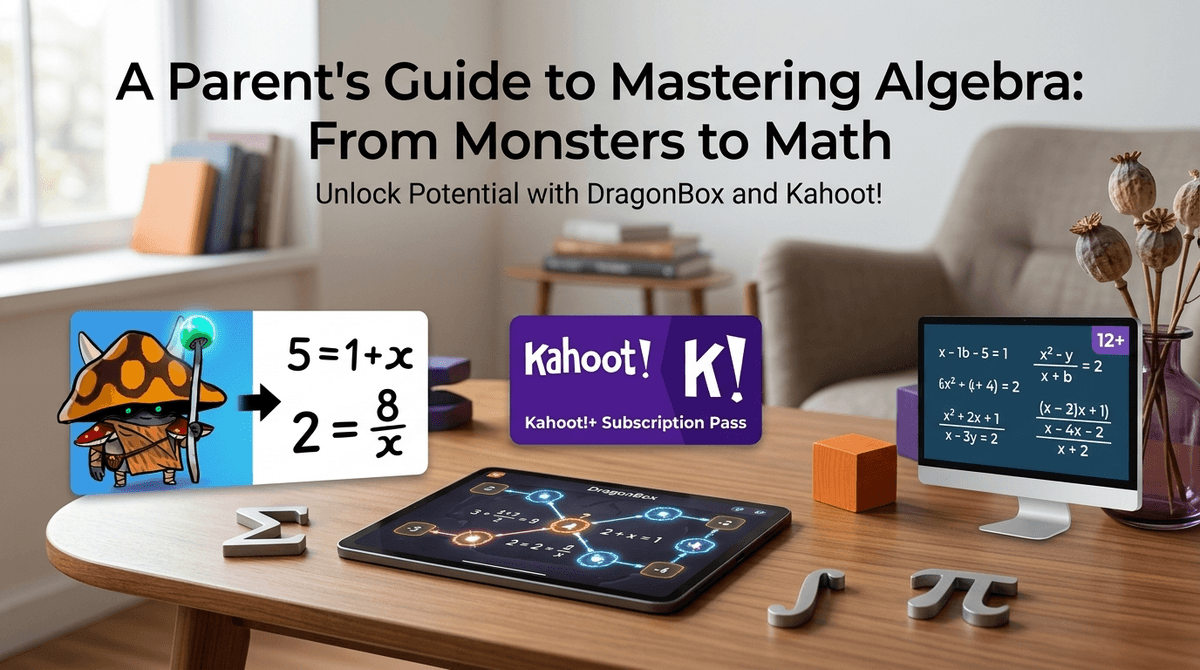
DragonBox is the GOAT of educational apps. Most 'learning games' are just digital flashcards with a cheap coat of paint, but this actually gamifies the logic of algebra. It’s the difference between memorizing a recipe and actually learning how to cook.
The move to a Kahoot! subscription model is a bit of a bummer for the wallet, but the content itself remains the gold standard. If your kid is hitting a wall with equations, this is the sledgehammer you want.
Age Fit
Technically aimed at 12-17 year olds, but a math-curious 10-year-old could jump in, and adults will definitely find themselves 'testing' it for 45 minutes.
WISE Breakdown
Wholesome
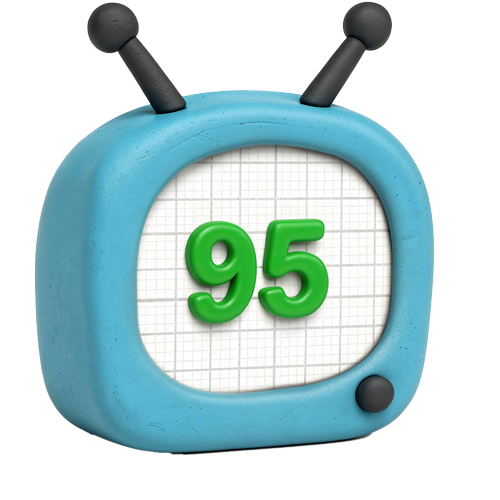
95
It’s pure, focused learning centered on the growth of a digital dragon. There's no snark, no violence, and the tone is encouraging without being patronizing.
Imaginative
88
It takes abstract, terrifying math symbols and turns them into a visual logic puzzle. It requires a high level of conceptual 'play' to succeed.
Safe
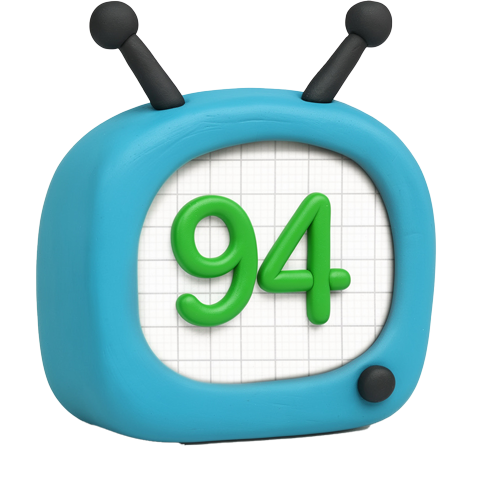
98
No ads, no unmoderated social features, and no predatory 'pay-to-win' mechanics. It’s a walled garden for learning.
Enriching
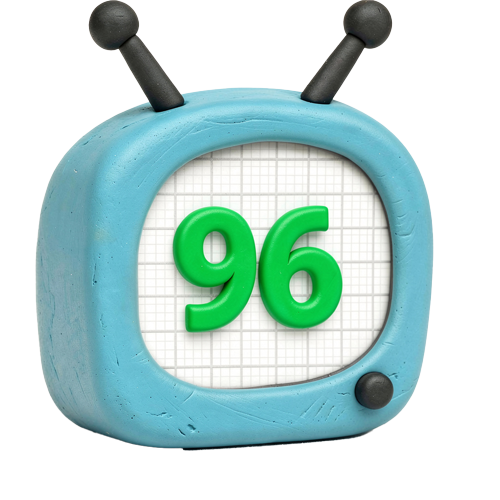
99
This is the gold standard for educational apps. It doesn't just drill facts; it teaches the underlying logic of algebra better than most textbooks.
Parent Info
✓
Why It Might Be Great
Turns scary variables into cute dragons and boxes, making the 'X' factor way less intimidating.
No 'wrong answer' buzzers; it's all about experimenting and seeing what happens when you move things around.
Covers the heavy hitters: factorization, substitution, and those annoying negative signs.
It’s actually satisfying to play, even for adults who still have nightmares about 9th-grade finals.
⚠
What to Watch For
The Kahoot! subscription wall—you can't just buy it once and be done anymore; it's part of a family plan.
Lack of hints: if a kid gets truly stuck, the app won't always hold their hand, so you might need to step in.
Conversation Starters
"How does the dragon change when you solve the equation?"
"Why do you think that rule works the same way every time you move a piece?"
"Is this actually better than how your teacher explains it in class?"