

TL;DR
- The Vibe: Fortnite Ranked is the digital equivalent of a high-stakes travel sports league, but it's happening in your living room.
- The Risk: High emotional volatility. Unlike "unranked" play, losing actually takes away progress (deprogression), which leads to genuine distress and "gaming rage."
- The Social Factor: Ranks are public status symbols. Being "Hardstuck Gold" is a genuine social insult in middle school.
- Recommendation: Best for ages 10+. Younger kids often lack the emotional regulation to handle the "rank down" mechanic without a meltdown.
- Quick Links: Fortnite parental controls, dealing with gaming rage, Understanding Fortnite Ranks.
If you’ve heard a blood-curdling scream from the basement lately, it might not be a spider. There’s a good chance your child just "dropped rank" in Fortnite.
For the uninitiated, Fortnite used to just be about getting a "Victory Royale" and doing a dance. But a few seasons ago, Epic Games introduced Ranked Mode, and it changed the temperature of the room. It turned a casual, goofy battle royale into a high-pressure ladder where every single move is scrutinized, and your social standing at the lunch table might actually depend on whether you’re Platinum or Diamond.
In the standard "Unranked" mode, kids play for fun. If they lose, they just start a new match. No big deal.
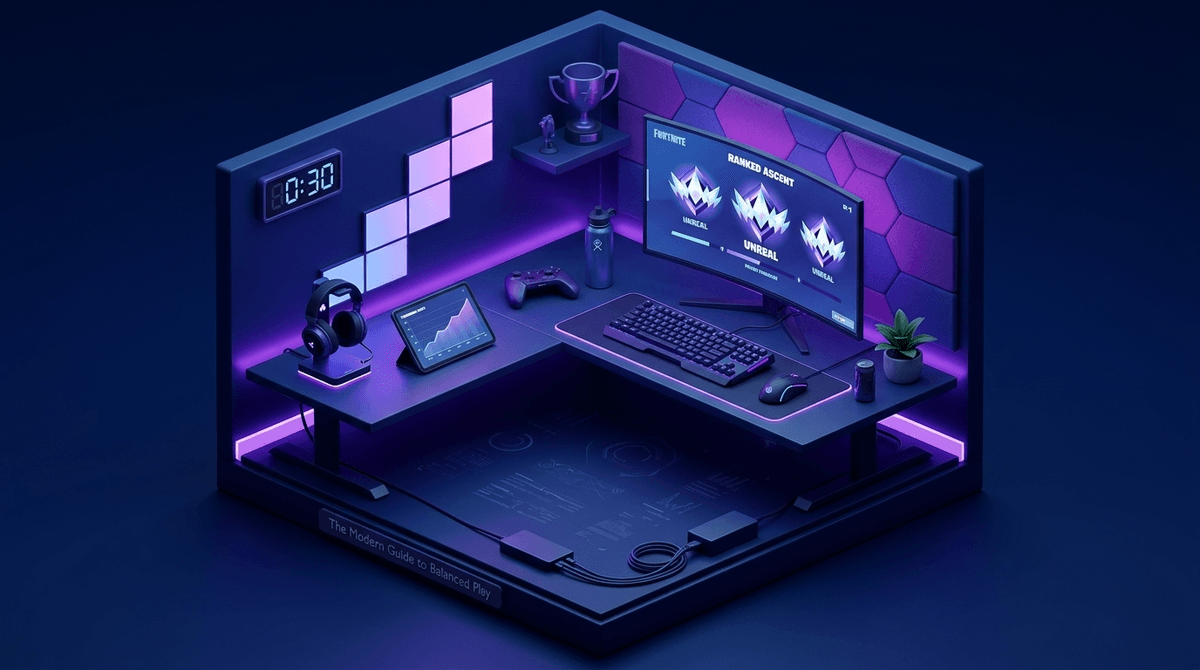
In Ranked Mode, players are assigned a specific tier based on their skill level. The tiers are: Bronze, Silver, Gold, Platinum, Diamond, Elite, Champion, and the holy grail, Unreal.
As they play, a progress bar moves. If they play well (get eliminations, survive a long time), the bar goes up. If they "rank up," they get a shiny new icon and bragging rights. But here is the kicker: If they play poorly, the bar goes backward. If it goes back far enough, they get demoted to a lower rank.
For a 12-year-old who has spent six hours grinding to reach Platinum, seeing that bar slide back into Gold II because of one "laggy" match feels like a personal tragedy.
The pressure to perform in Ranked isn't just about the game; it's about identity and community.
1. The Social Hierarchy
In many middle school circles, your rank is your "credit score." Kids will check each other's profiles on sites like Fortnite Tracker to see if someone is actually "cracked" (good) or just "carried" (helped by better players). If your child is "Bronze," they might literally be excluded from playing with their friends because the friends don't want a lower-ranked player "dragging down the lobby."
2. The "Sweat" Culture
You’ll hear kids talk about "sweats" or "sweaty lobbies." This refers to players who are trying so hard they are practically sweating. Ranked mode is 100% "sweat." There is no room for "meming" or messing around. This constant state of high-alert triggers a massive cortisol spike. It’s why they come upstairs from a gaming session looking like they just ran a marathon and failed a math test at the same time.
3. The Sunk Cost Fallacy
Because progress can be lost, kids feel a desperate need to "end on a win." If they lose rank at 8:55 PM and bedtime is at 9:00 PM, they will beg, plead, and negotiate for "just one more" to get back to where they started. They aren't trying to be defiant; they are experiencing a genuine psychological "loss aversion."
We’ve all seen it: the controller throw, the desk slam, or the aggressive "IT’S LAGGING!" scream. In Ranked mode, this isn't just "being a bad sport." It’s a physiological response to losing something they worked hours to earn.
When a child is in a Ranked match, their nervous system is in "fight or flight" mode. When they lose rank, the "flight" isn't an option, so they "fight." As parents, we need to recognize that Ranked Mode is an emotional regulation obstacle course.
Learn more about the 'sweaty' gaming culture and what it means for your kid
Ages 8-10: Proceed with Caution
Most kids in this age bracket don't have the emotional maturity for Ranked. The "deprogression" mechanic is often too frustrating. If they want to play Fortnite, encourage them to stay in "Unranked" or try Creative maps like Parkour Civilizations where the stakes are lower.
Ages 11-14: The Danger Zone
This is the peak age for social rank-shaming. This is when you need to have conversations about "gaming for fun" vs. "gaming for status." If you notice their mood is consistently dictated by their rank, it’s time to enforce a "Ranked-free weekend."
Ages 15+: The Competitive Mindset
By high school, some kids can treat Ranked like a genuine hobby or esport. They might start watching Twitch streamers like Ninja or Clix to learn "piece control" and strategies. This can actually be a lesson in discipline and practice—if they can maintain a healthy perspective.
Instead of saying "It's just a game" (which is the fastest way to get a teenager to stop talking to you forever), try these conversational entry points:
- "How's the climb going today?" This acknowledges that it's a struggle and they are working toward something.
- "Is the lobby feeling 'sweaty' or are you guys having fun?" This gives them an opening to admit they are stressed without feeling like they are "failing."
- "I noticed you're getting pretty frustrated. Let's take a break and play something 'cozy' for a bit."
Better "Cozy" Alternatives
If the Ranked pressure is getting too high, suggest a "palate cleanser" game. These are games that don't have a ranking system and are designed to lower the heart rate:
- Stardew Valley: The ultimate stress-relief farming sim.
- Minecraft: Specifically Creative mode or a private realm with friends.
- Fall Guys: It’s competitive, but so ridiculous that it’s hard to stay truly angry.
- PowerWash Simulator: Don't laugh—it is incredibly zen and weirdly popular with teens.
Check out our guide on the best cozy games for stressed-out kids
Ranked mode often pushes kids toward third-party communication tools. To be competitive, they need "zero-latency" voice chat.
- Discord: Most Ranked players use Discord instead of the in-game Fortnite chat. It’s where the "teams" are formed. Ensure you’ve checked their Discord privacy settings.
- Toxic Teammates: In Ranked, people get mean. If your child makes a mistake that costs the team a rank-up, the verbal abuse in voice chat can be intense. Remind them how to use the "Mute" button—it’s the most powerful tool in the game.
Fortnite Ranked Mode isn't inherently "bad," but it is emotionally expensive. It demands a level of focus and resilience that many kids are still developing.
If your child is handled it well, it can actually teach them about "the grind," handling pressure, and incremental improvement. But if the "Bronze to Unreal" journey is turning your sweet kid into a stressed-out ball of nerves, it’s okay to set boundaries.
Remind them that at the end of the day, an "Unreal" rank looks exactly the same on a college application as a "Bronze" rank: it's not on there.
- Check their rank. Ask them to show you their Career tab. If they are Diamond or higher, they are in the top percentage of players and the pressure is likely very high.
- Set a "Hard Stop" time. Don't let the "one more game to get my rank back" cycle happen after 9:00 PM.
- Watch a match. Sit with them for 10 minutes. You’ll quickly see how much faster and more intense Ranked play is compared to the Fortnite you remember from 2018.
Ask our chatbot about setting Fortnite time limits
Learn more about the impact of competitive gaming on dopamine