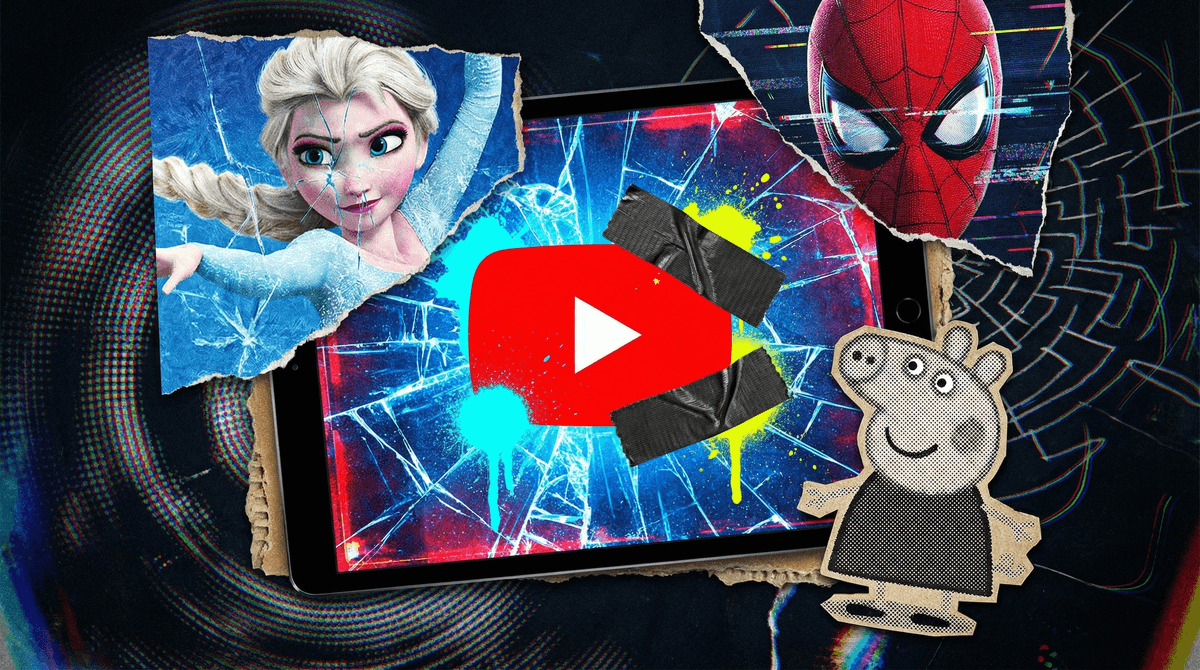
YouTube Kids is a walled-off version of YouTube: four age modes, a screen-time timer, a flag button, and a promise that everything inside is made for kids. The pitch is reassuring. The reality is that the wall is built by an algorithm, not by hand — and that single fact is the whole story of this app.
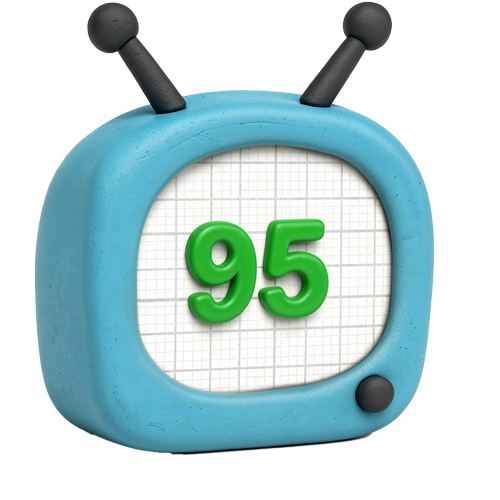
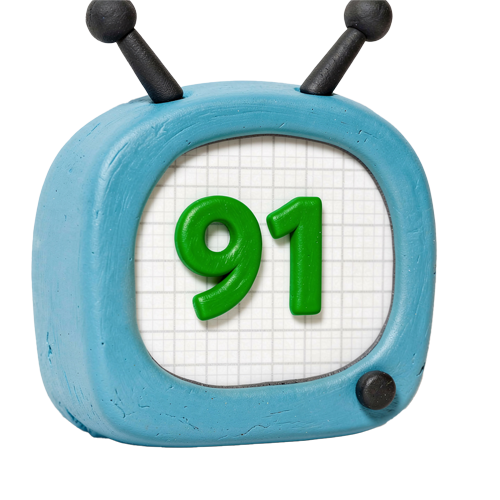
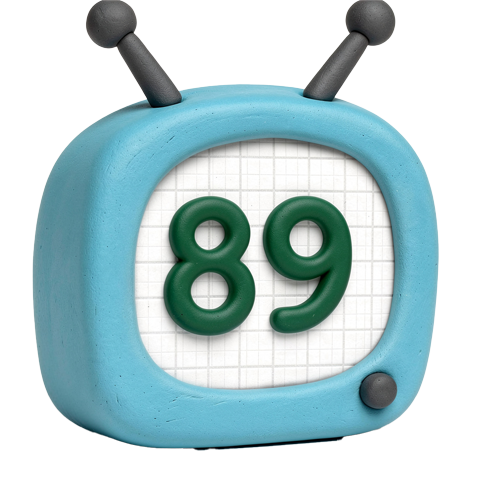
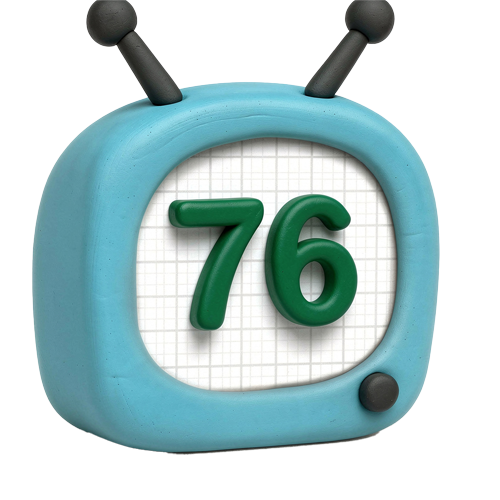
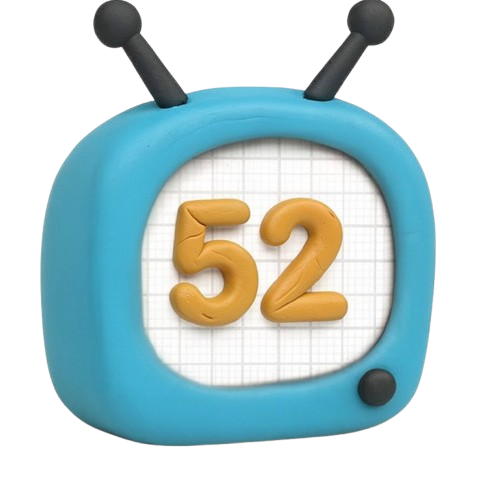
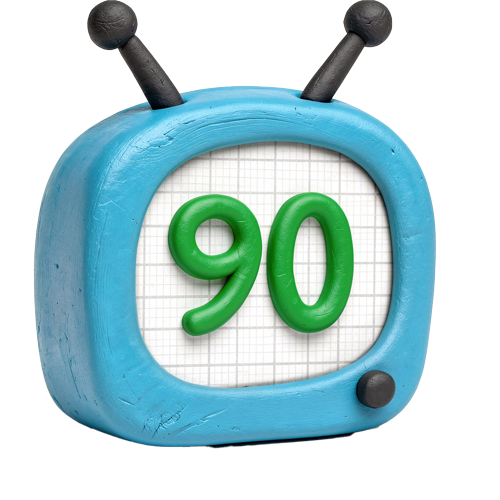
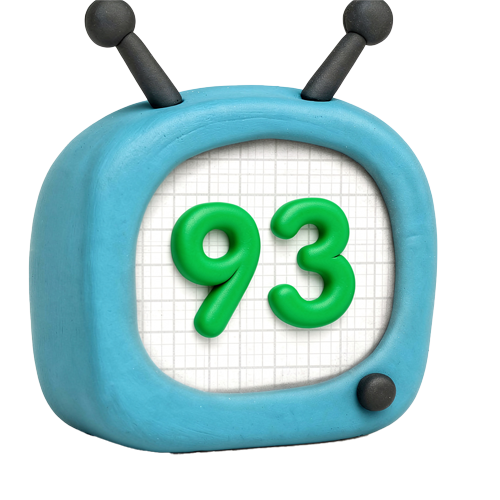
We score every app on four dimensions, and YouTube Kids lands at Wholesome 58, Imaginative 42, Safe 62, Enriching 55. Safe is the highest of the four and it's still a middling number — because "safe" here depends entirely on how you set it up. The low Imaginative and Enriching scores are the tell: the default modes optimize for watch-time, so the same app that can serve a kid genuinely great science and storytelling can just as easily drop them into a 40-minute loop of someone else opening toys.
So the real question isn't whether to allow YouTube Kids. It's which mode, and how locked down. For a child under seven, that means Approved-content-only or Preschool mode, search switched off, autoplay off. The "Older" mode quietly opens a door to far more than most parents expect, and the highest-leverage thing you can do in the entire app is turn off the search bar — it's the difference between a curated shelf and the open firehose.
It's a different app with you in the room, at least for the first week. Watch a session. See what the recommendations serve up once your kid taps around. Prune the junk out of the history. Ten minutes of co-viewing tells you more about whether this is working than any single toggle.
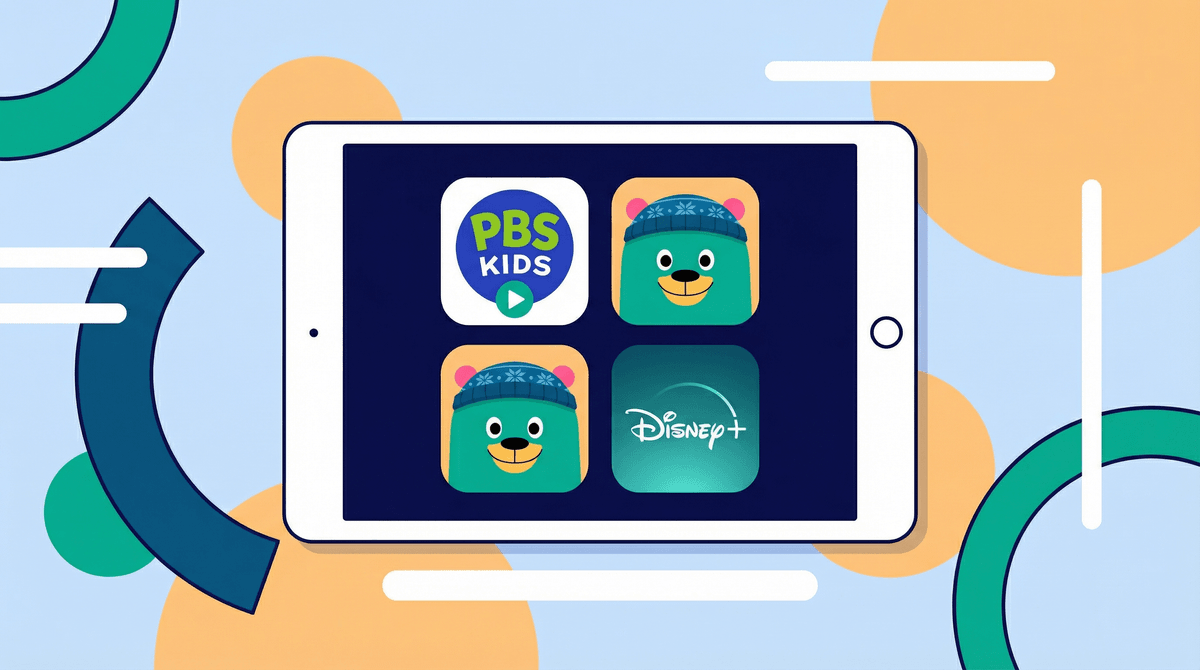
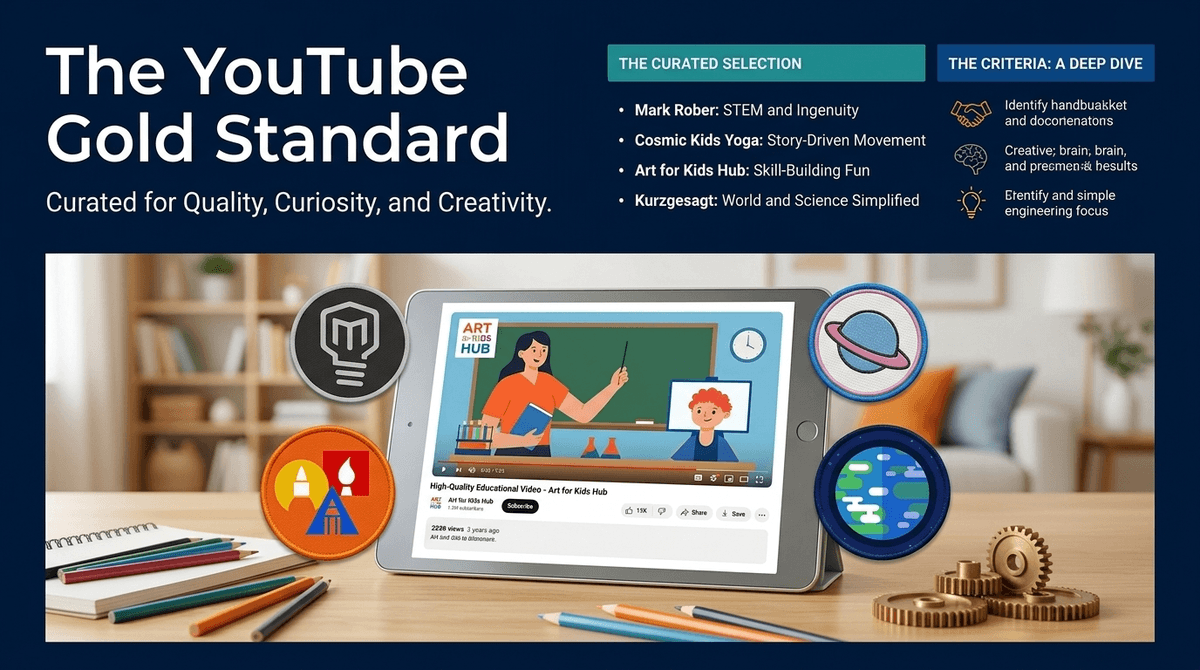
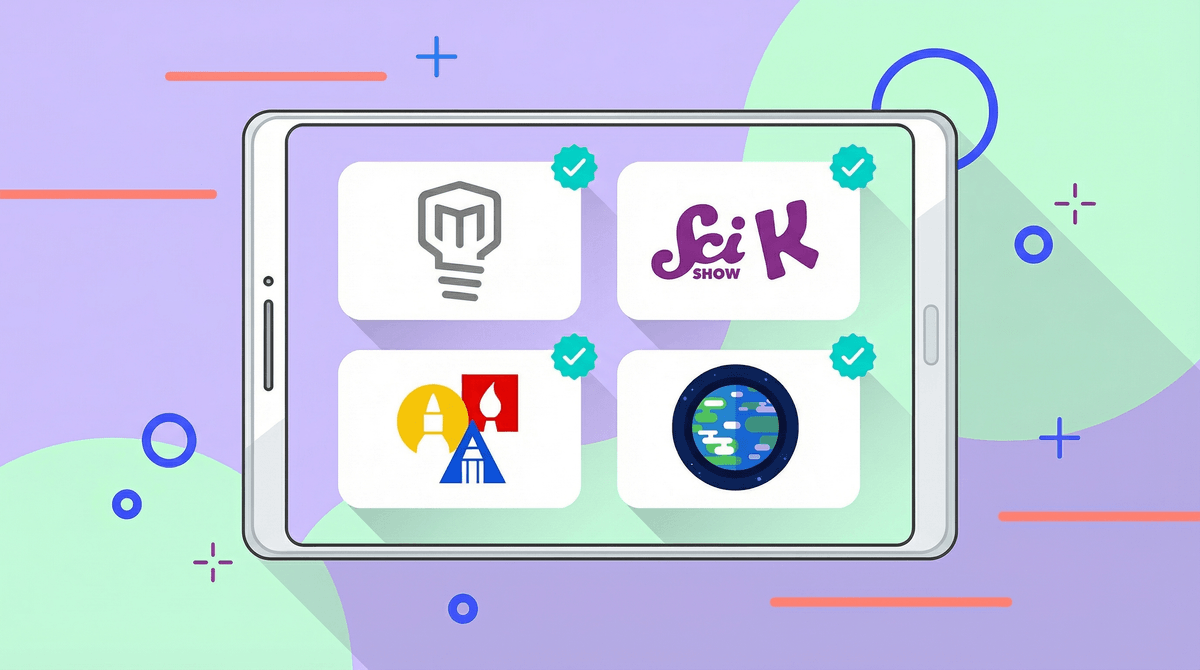
And if it keeps serving junk no matter how you tune it, the answer may be a different app entirely. PBS Kids, Khan Academy Kids, and Epic are curated by people instead of an engine, and a hand-picked set of channels worth keeping often beats the feed outright. YouTube Kids can be a fine front door to video. It just was never meant to be left open.