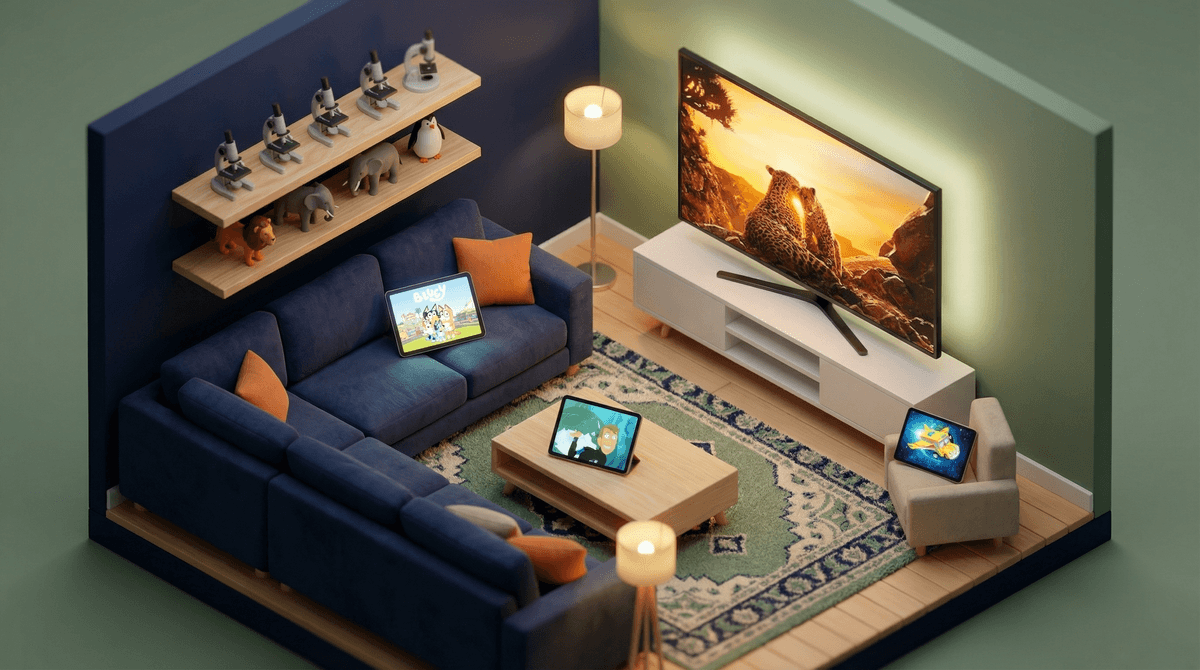
Classroom tool vs. living room TV
Most elementary teachers already know Crash Course Kids by heart. When it launched in 2015, it filled a massive gap: science videos for 8-to-11-year-olds that didn't talk down to them like preschoolers, but didn't drown them in AP Biology jargon either. Across roughly 112 episodes, host Sabrina Cruz works through the U.S. Next Generation Science Standards (NGSS) for upper elementary—covering everything from why the sun looks brighter than other stars to how civil engineers test bridge materials.
How it compares to SciShow Kids
Complexly runs a few different channels for younger viewers, and picking the right one comes down to your kid's age and attention style:
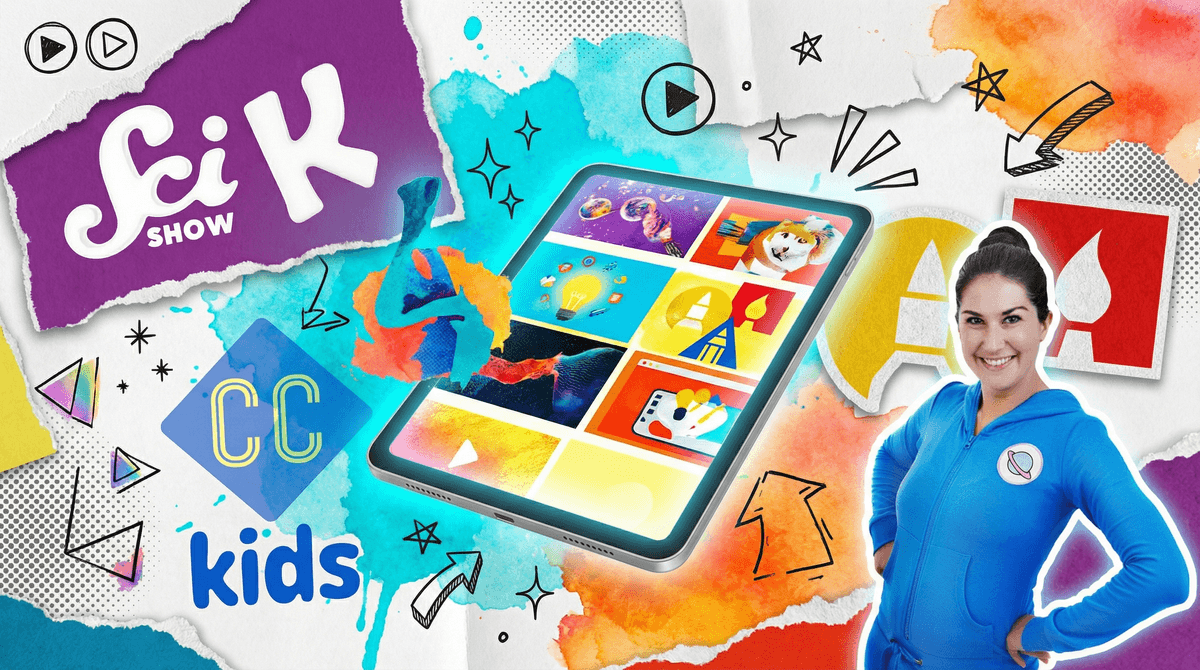
- SciShow Kids (hosted by Jessi Knudsen Castañeda and a puppet rat named Squeaks) is built for K–3rd grade. It's warmer, slower, and structured around single curiosity questions ("Why do we get hiccups?").
- Crash Course Kids drops the puppet, speeds up the teleprompter, and organizes videos into multi-part curriculum units for 3rd–5th grade. Instead of a standalone video about a cool bug, you get a five-part playlist on ecosystems, matter cycling, and food webs.
- Crash Course (the main channel) is aimed at high schoolers and adults—great for a precocious middle schooler, though the hosts talk even faster and occasional mild humor slips in.
Getting the most out of it at home
Because the channel wrapped its main production run after building out its core 5th-grade science library, it operates like a digital encyclopedia rather than a live creator channel. There's no parasocial weirdness, no merch pushing, and no clickbait thumbnails.
If you're using it at home, the best move is to pull up the Playlists tab on the channel page rather than picking random single videos. The episodes were written to build on each other—watching the whole "Engineering" or "Space Science: The Sun and Its Influence" playlist in order gives a kid the actual arc of the concept, and keeps YouTube from auto-playing into an unrelated channel four minutes later.