

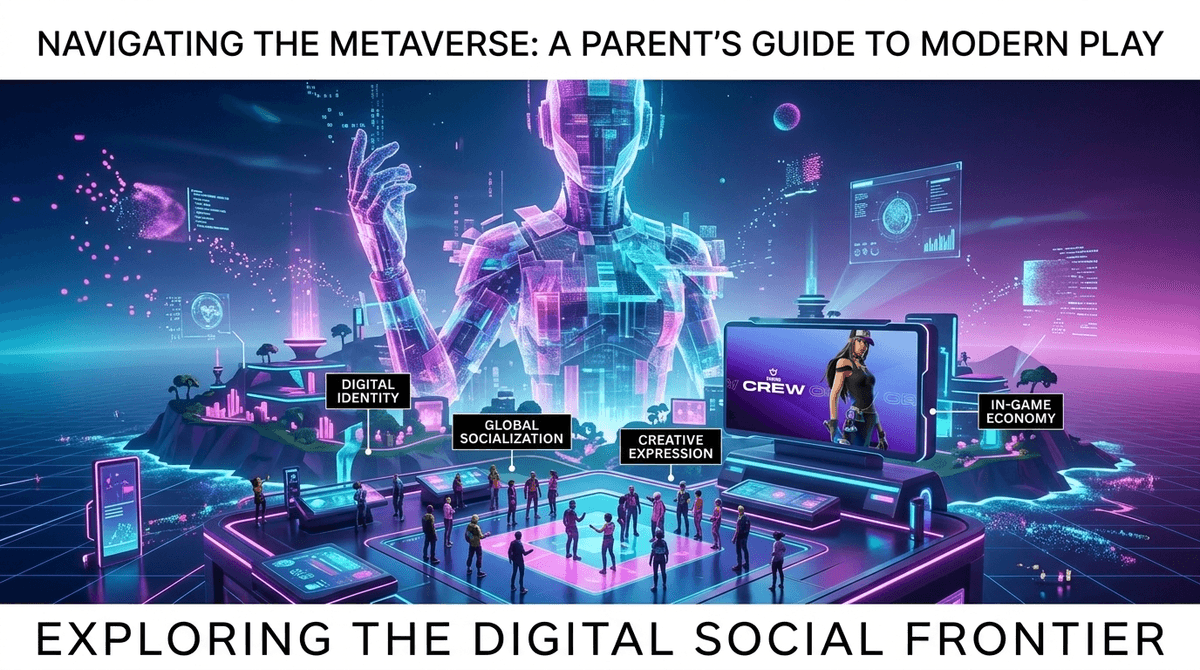
TL;DR: The Travis Scott "Astronomical" event in Fortnite wasn't just a concert; it was the moment the "Metaverse" became a reality for 27 million kids. It shifted gaming from a competitive hobby into a "third space" social square where kids hang out, consume culture, and spend real money on digital identities. If your kid is obsessed with "skins" or wants to attend virtual events in Roblox, this is where it all started.
Quick Links for the Modern Parent:
- Fortnite (The platform that started the trend)
- Roblox (The current king of virtual hangouts)
- Minecraft (The OG sandbox for digital expression)
- Lego Fortnite (A gentler, more creative entry point)
Back in April 2020—right when we were all stuck at home trying to figure out how to bake sourdough and use Zoom—Fortnite pulled off something insane. They hosted a virtual concert called "Astronomical" featuring rapper Travis Scott.
But it wasn't just a video playing on a screen. A 50-foot tall avatar of Travis Scott stomped across the map, the physics of the world changed, players were teleported underwater and into deep space, and the whole thing felt like a psychedelic fever dream in the best way possible.
Over 12 million people watched it live simultaneously. By the time the encore performances were done, 27 million unique players had participated. It was the "Woodstock" of the digital age, and it changed the trajectory of how our kids interact with the internet forever.
Before this event, Fortnite was mostly seen as a "Battle Royale" game—you drop in, you loot, you shoot, you try to be the last one standing. After Travis Scott, it became a social platform.
1. The "Third Space" Concept
For our generation, the "third space" (not home, not school) was the mall, the skate park, or the movie theater. For today’s kids, that third space is often digital. The Travis Scott event proved that a game could be a venue for a collective cultural experience. Kids weren't there to "win"; they were there to "be there" with their friends.
2. The Rise of Digital Identity
This event solidified the importance of "skins" (digital outfits). During the concert, everyone wanted to look the part. It turned digital goods from "pointless pixels" into "social currency." When your kid asks for V-Bucks to buy a specific skin, they aren't just buying a toy; they’re buying the outfit they want to wear to the "mall" so they don't look like a "default" (the Fortnite equivalent of wearing unbranded sweatpants to the middle school dance).
3. The "Metaverse" Became Normal
While tech CEOs were busy writing white papers about the metaverse, our kids were already living in it. The Travis Scott event showed that a virtual world could be more engaging than a physical one because it isn't bound by the laws of physics.
See information on the risks and rewards of the metaverse
Even years later, the "Travis Scott event" is the gold standard. It’s why kids get excited for events in Roblox or why they follow creators like MrBeast into different gaming platforms. It created a "you had to be there" FOMO (Fear Of Missing Out) culture that keeps them tethered to these apps.
It’s also why your kid might say things are "mid" or "Ohio" or "Skibidi"—the speed of culture in these games is lightning fast. If they miss an event, they miss the memes, and if they miss the memes, they’re out of the loop at school.
If your kid is into the "social" side of gaming that Travis Scott pioneered, here are the platforms and experiences they are likely exploring, ranked by their "social square" factor:
Still the leader in high-production virtual events. They’ve since had concerts with Ariana Grande and Eminem. It’s highly polished but can be a "money pit" if you don't set boundaries on V-Bucks.
- Ages: 12+ (due to mild violence and open chat)
- Guide: How to manage Fortnite spending
The ultimate "mall." It’s less of a game and more of a platform where millions of mini-games exist. It’s where kids go to "hang out" in games like Brookhaven or Adopt Me!.
- Ages: 7-13 (with heavy parental controls)
- Guide: Setting up Roblox parental controls
The more "educational" version of the social square. Instead of buying skins to show off, kids often build worlds together. It’s a great way to teach collaboration and basic logic.
- Ages: 8+
- Minecraft: Media Page
If your kid likes the "vibe" of Fortnite but you want something less "shooty," this is car-soccer. It has a similar "season pass" and "skin" culture but is focused on sportsmanship.
- Ages: 10+
- Rocket League: Media Page
The Travis Scott "Baggage"
Let’s be real for a second. Travis Scott as an artist is not exactly "G-rated." His lyrics are explicit, and the 2021 Astroworld tragedy (which happened in real life, not the game) is a heavy topic. While the Fortnite event was censored and safe for a general audience, it serves as a gateway to his actual music.
- Action Step: If your kid is a fan, check their Spotify or YouTube history. You might want to have a conversation about "artist vs. art" or simply set some filters.
The Entrepreneurship vs. Exploitation Debate
Is Roblox teaching your kid to be a game dev, or is it just draining your bank account? The answer is usually both. These games use "dark patterns"—psychological tricks like limited-time offers and flashy lights—to get kids to spend.
- The No-BS Take: Most kids aren't becoming entrepreneurs on these platforms; they're becoming consumers. It’s okay to let them spend their allowance, but don't buy the hype that "buying this skin is an investment."
The "Always On" Pressure
Because these events are "live," kids feel an intense pressure to be online at specific times. This can interfere with dinner, homework, or sleep.
- Solution: Treat these like a real-world concert or sports game. If there’s a massive Fortnite event on a Saturday at 2 PM, let them do it, but make it clear that it’s a special occasion, not the new daily standard.
Learn more about digital FOMO and kids
Instead of asking "Why are you watching a giant rapper jump around a screen?", try these conversation starters:
- "What was the coolest part of that event? The music or the way the world changed?"
- "Do you feel like you have to have a certain skin to fit in with your friends in the lobby?"
- "How do you think Fortnite makes money if the game is free to play?" (This is a great intro to media literacy).
The Travis Scott Fortnite event was the "Big Bang" of the modern digital childhood. It’s why our kids don't just "play" games—they "live" in them for hours at a time.
Understanding that this is a social requirement for them, rather than just a waste of time, is the first step toward being an intentional parent. You don't have to love the music, and you don't have to love the "brain rot" memes, but acknowledging that their digital world is just as "real" to them as the playground was to us will help you keep the lines of communication open.
Next Steps:
- Check your kid's Fortnite or Roblox privacy settings to ensure they are only chatting with friends.
- Set a firm "V-Bucks allowance" to avoid "bill shock" at the end of the month.
- Take the Screenwise Survey to see how your family's gaming habits compare to your community.