The Minecraft Killer?
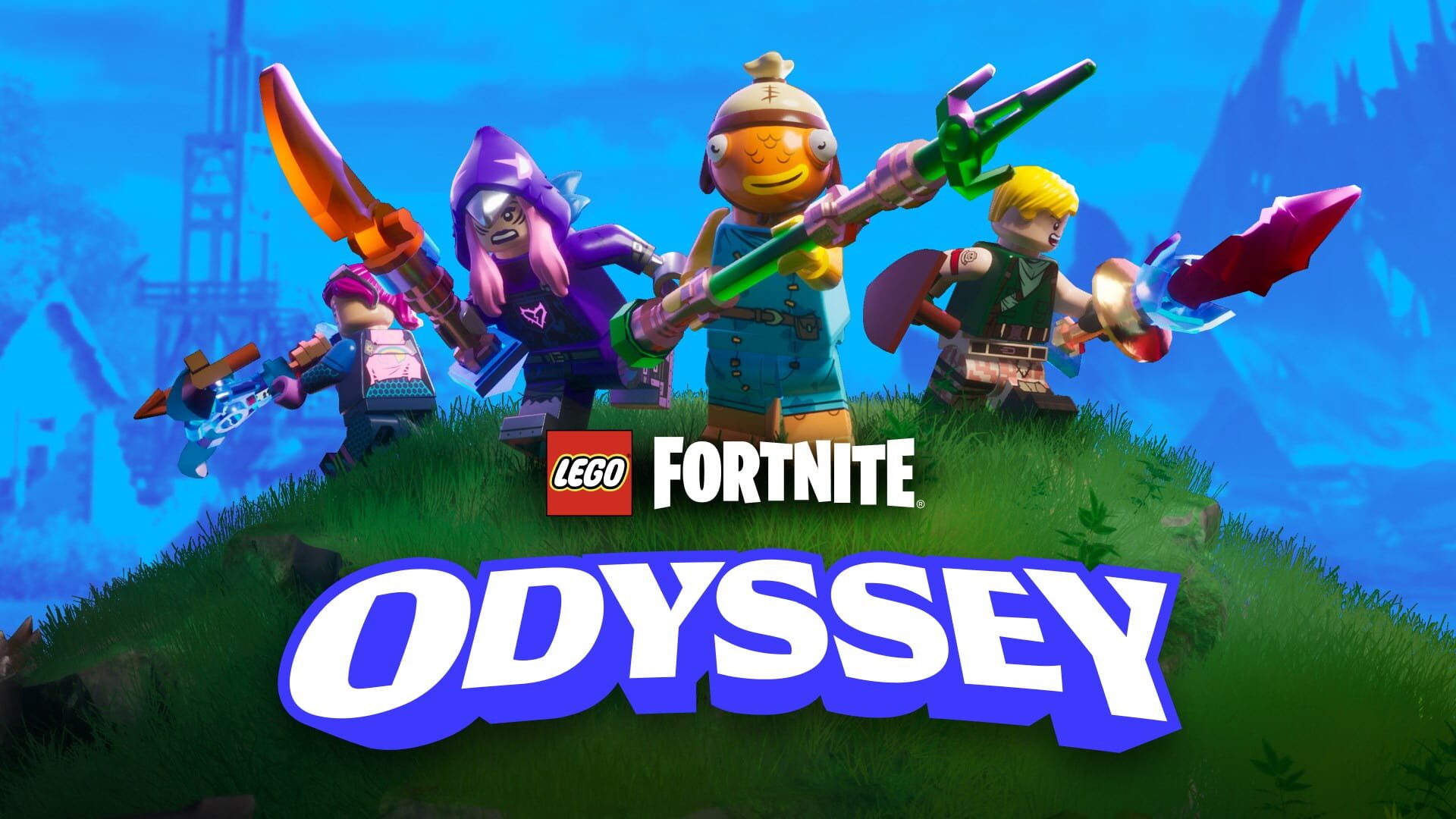
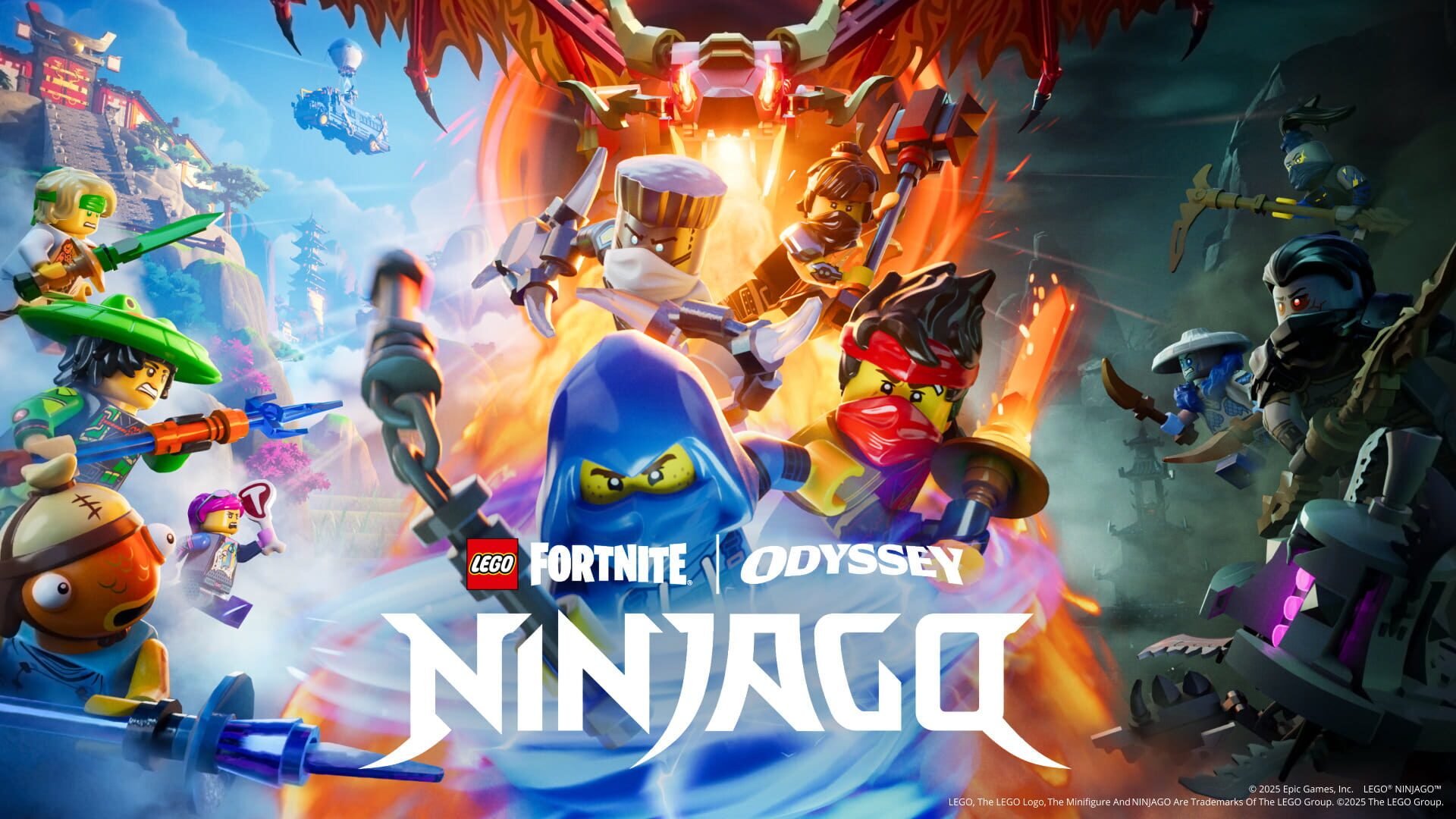
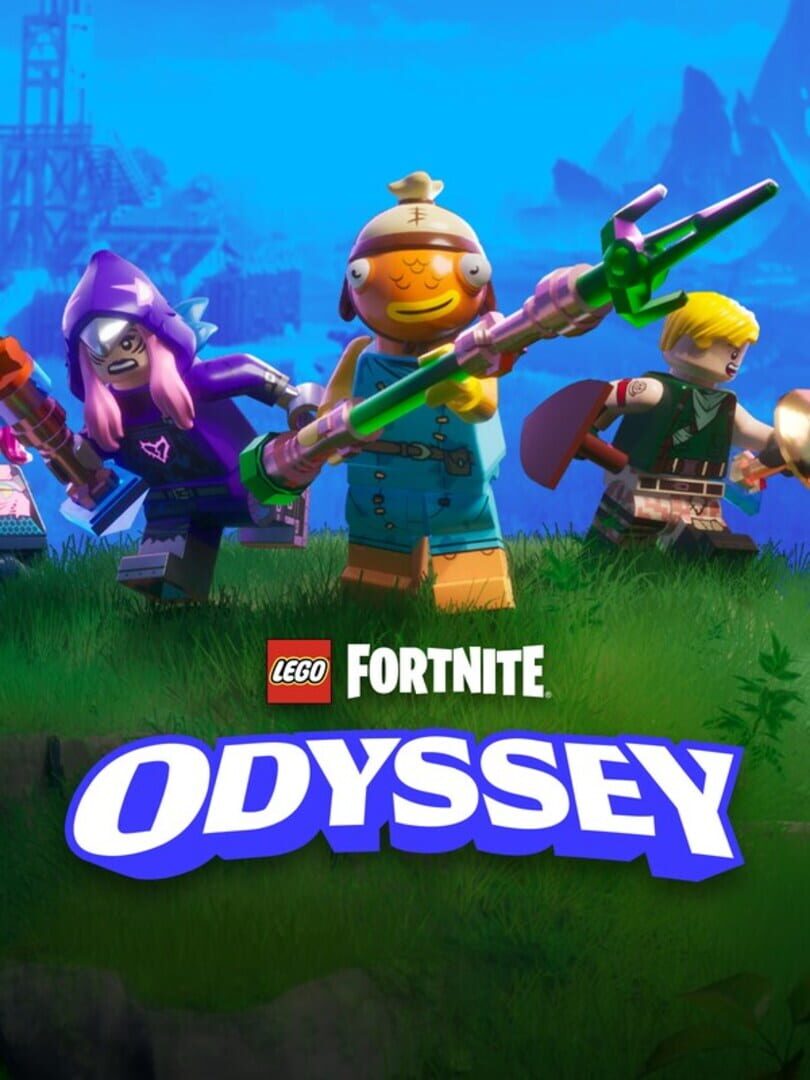
For a decade, Minecraft was the undisputed king of the 'survival-crafting' genre. Lego Fortnite is the first real challenger to that throne, and it wins on sheer charm. Instead of abstract pixels, you’re dealing with the satisfying click of Lego bricks. When you build a staircase, you see the individual studs. When a building collapses, it shatters into a pile of plastic parts. For a kid who grew up with physical Lego, the translation is perfect.
Survival vs. Sandbox
The game offers two distinct ways to play. Survival mode introduces hunger, temperature, and enemies (mostly 'brickified' spiders and wolves). It’s a great way for kids to learn resource management—you can't build a mansion until you've gathered the wood and stone to support it. Sandbox mode, however, is where the real magic happens for younger kids. It removes the threats and gives you everything from the start. It’s a digital playroom that never needs to be cleaned up.
The Platform Problem
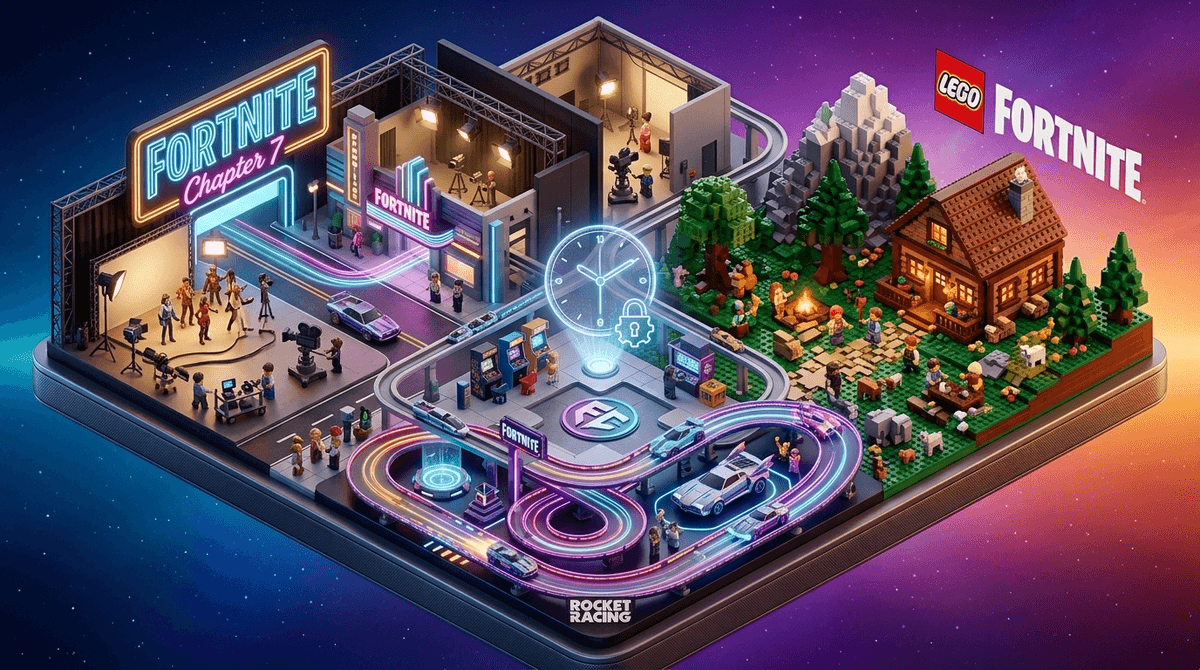
You can't talk about Lego Fortnite without talking about the Fortnite 'hub.' Epic Games is trying to turn Fortnite into a 'metaverse' platform. This means that when your kid logs in to play Lego, they are bombarded with tiles for Battle Royale, music festivals, and thousands of user-created games. Some of these are great; many are low-effort 'brain rot' designed to farm engagement.
To use this well, you have to lean into the Epic Games Parental Controls. You can lock the game to a specific age rating (e.g., E10+), which will hide the more mature user-generated content, and you can disable the social chat entirely. Once those guardrails are in place, Lego Fortnite becomes a genuinely fantastic space for digital play.