

The Ultimate Reading List for 6th Grade Girls (2024-2025)
TL;DR: Sixth grade is when reading gets real—friendship drama, identity questions, and stories that actually reflect what growing up feels like right now. Here are the books that hit different, organized by what your kid is into, with the parent intel you need before handing them over.
Quick picks:
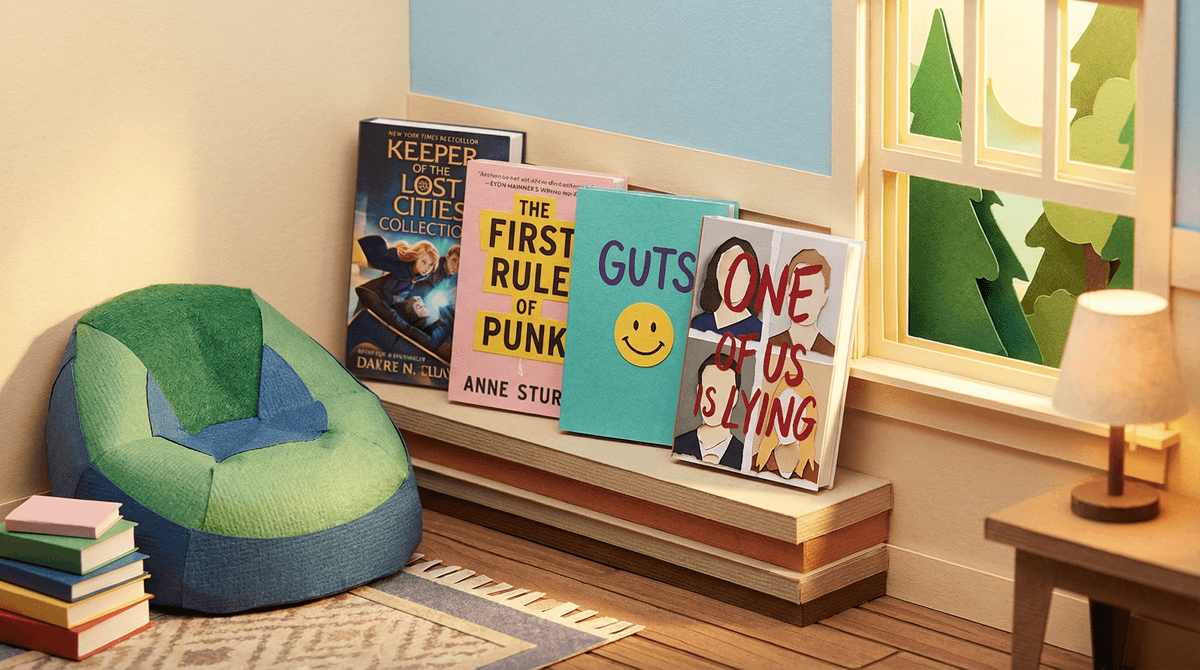
- For the fantasy lover: Keeper of the Lost Cities
- For the realistic fiction fan: The First Rule of Punk
- For the graphic novel obsessed: Guts by Raina Telgemeier
- For the mystery solver: One of Us Is Lying
Sixth grade reading is a whole different beast. Your kid is too old for Diary of a Wimpy Kid but maybe not quite ready for full-on YA darkness. They're navigating actual social complexity—friend groups that shift like sand, body changes that feel wildly unfair, and the dawning realization that adults don't actually have all the answers.
The books that resonate at this age? They're the ones that say "you're not alone in feeling weird about literally everything." They tackle periods, crushes, family messiness, and identity questions without being preachy. And honestly, some of them are just really, really good stories.
Here's what's actually landing with 6th grade girls right now, organized by vibe, with the real parent intel about what you're getting into.
Sophie discovers she's an elf and gets whisked away to a magical world where she finally fits in—except not really, because she's still an outsider with mysterious powers. Think Harry Potter vibes but with more emphasis on friendship dynamics and less British boarding school.
Parent intel: This is a nine-book series, so if your kid gets hooked, you're in it for the long haul. Clean content, some romantic tension (hand-holding level), and genuinely complex plotting. The books are chunky (600+ pages) but they fly by. Main themes: belonging, trust, and figuring out who you are when everyone has expectations.
Aru is a 12-year-old who lies to impress her classmates and accidentally unleashes an ancient demon. Now she has to save the world using Hindu mythology. It's funny, fast-paced, and features a protagonist who's refreshingly flawed.
Parent intel: Part of Rick Riordan's imprint, so if your kid loved Percy Jackson, this is the move. Great for kids interested in mythology beyond Greek and Roman . Some peril and monster battles, but age-appropriate. Strong themes about family, friendship, and not having to be perfect.
A witch accidentally feeds a baby moonlight instead of starlight, giving her wild magic. It's lyrical, strange, and beautiful—more literary fantasy than action-adventure.
Parent intel: This won the Newbery Medal for a reason. It's slower-paced and more contemplative, so better for kids who like atmospheric storytelling over constant action. Themes include chosen family, the power of stories, and questioning authority. Some sad moments involving loss and sacrifice.
Malú moves to a new city, doesn't fit in at her new school, and starts a punk rock band to deal with it all. She's Mexican-American, dealing with her mom's expectations about how she should dress and act, while trying to figure out who she actually is.
Parent intel: This is so good for kids navigating cultural identity and family expectations. Features DIY zine pages throughout. Themes include self-expression, finding your people, and parent-kid conflict that feels real. Some mild rebellion (sneaking around, breaking dress code) but nothing alarming.
Astrid discovers roller derby right as her best friendship is falling apart. It's a graphic novel about growing up, growing apart, and finding something that's yours.
Parent intel: Perfect for kids dealing with friendship shifts—which is basically all 6th graders. Shows that sometimes friends grow in different directions and that's okay. Also great for reluctant readers since it's graphic novel format. Themes: independence, perseverance, and the messiness of middle school friendships.
Zoey lives in a trailer with her mom's controlling boyfriend, takes care of her younger siblings, and just wants to keep her head down. Then a teacher encourages her to join the debate team, and she starts finding her voice.
Parent intel: This tackles poverty, domestic abuse, and gun rights in an age-appropriate but real way. It's heavy but hopeful. Good for mature 6th graders who are ready for social justice themes. Might spark conversations about privilege, speaking up, and systemic inequality.
Raina deals with anxiety and stomach problems that spiral into a full-blown fear of throwing up. It's autobiographical, honest, and weirdly comforting for kids dealing with their own anxiety.
Parent intel: Telgemeier is basically the queen of middle grade graphic novels. This one directly addresses anxiety, therapy, and panic attacks. Great conversation starter about mental health. Some kids find it validating; others might find it triggering if they're already anxious. Know your kid.
Jordan is one of the few kids of color at his fancy private school, navigating microaggressions, code-switching, and trying to fit in without losing himself.
Parent intel: Won the Newbery Medal and Coretta Scott King Award. Essential reading about race, class, and belonging. Funny and accessible while tackling serious themes. Good for all kids, but especially important for white kids to read. Follow-up books Class Act and School Trip are also excellent.
Raina trips and knocks out her front teeth, then spends years dealing with dental surgery, braces, and middle school social drama.
Parent intel: The book that launched a thousand graphic novel readers. Great for kids dealing with body image stuff or feeling self-conscious. Shows that embarrassing things happen and you survive them. Very tame content-wise.
Five students walk into detention. One of them dies. Everyone's a suspect. It's The Breakfast Club meets murder mystery.
Parent intel: This is technically YA, not middle grade, so it skews older. There's some language, references to drug dealing, and romantic content (kissing, some heavier making out). The mystery is genuinely twisty and well-plotted. Better for mature 6th graders or as a bridge to YA. Themes include stereotypes, secrets, and social media.
Avery inherits a billionaire's fortune even though she's never met him. To claim it, she has to live in his mansion and solve the puzzles he left behind—while his angry grandsons try to figure out why she's there.
Parent intel: Addictive mystery with romance subplot. Clean content, smart plotting, and a protagonist who uses her brain. It's a trilogy, so again, you're committing to multiple books. Good for kids who loved Knives Out or escape room vibes.
Stevie attends an elite academy where a famous unsolved murder happened decades ago. She's determined to crack the cold case while navigating her own anxiety and a new murder that happens on campus.
Parent intel: Another YA crossover. Features a protagonist with anxiety (represented authentically), some language, and LGBTQ+ characters. The mystery is complex and spans multiple books. Better for strong readers who can handle dual timelines and mature themes.
The classic. Margaret navigates sixth grade, getting her period, figuring out religion, and desperately wanting to develop.
Parent intel: Published in 1970 but somehow still relevant. Frank discussions about periods, breast development, and boy crushes. Some parents love that it's honest; others find it too focused on physical development. Recently adapted into a movie that's also quite good.
[Period Power by Maisie Hill](https://screenwiseapp.com/media/period-power-a-manifesto-for-the-menstrual-movement-book
Not fiction, but a comprehensive guide to periods, hormones, and how your cycle affects everything.
Parent intel: This is actually written for adults but has a teen edition called Period Power: A Manifesto for the Menstrual Movement. Super informative, body-positive, and way more comprehensive than most "period books" for kids. Good to have as a reference.
American Girl's puberty guides—one for younger girls, one for older.
Parent intel: Straightforward, illustrated, covers everything from body changes to emotions to hygiene. Not preachy, not cutesy, just practical. Book 2 is more appropriate for 6th grade and covers periods, bras, and more detailed body stuff.
Castle "Ghost" Cranshaw has a talent for running—mostly away from things. When he joins a track team, he starts running toward something instead.
Parent intel: First in the Track series (also check out Patina, Sunny, and Lu). Deals with poverty, trauma, and gun violence in an age-appropriate way. Reynolds is a master at writing about hard things without making them feel heavy. Themes: second chances, mentorship, and finding your people.
Auggie has facial differences and starts mainstream school for the first time in fifth grade. It's about kindness, acceptance, and multiple perspectives.
Parent intel: Probably already on your radar. Some kids read it younger, but 6th grade is when they really get the perspective shifts and empathy lessons. Can be a tearjerker. Good for discussing differences, bullying, and choosing kindness.
Twin brothers navigate basketball, family, and growing apart—told entirely in verse.
Parent intel: Newbery Medal winner. The verse format makes it accessible for reluctant readers but doesn't sacrifice depth. Deals with family conflict, first love, and loss. Also check out the sequel Rebound and companion Booked.
Melissa knows she's a girl, but everyone sees her as a boy. When her class puts on a production of Charlotte's Web, she's determined to play Charlotte.
Parent intel: Previously published as "George." One of the most challenged books in recent years, which tells you it's doing something right. Age-appropriate, affirming, and an important read about gender identity and being seen for who you are. Some parents will love it; others will object. Know your values.
A prince secretly loves wearing dresses and his dressmaker helps him express himself. It's a gorgeous graphic novel about identity, friendship, and being true to yourself.
Parent intel: Beautiful art, sweet story, themes of gender expression and acceptance. Appropriate for all ages but especially meaningful for kids questioning gender norms or expression.
Charlie and Nick's love story, told in graphic novel format. It's sweet, affirming, and deals with mental health, coming out, and first relationships.
Parent intel: Technically YA but extremely popular with middle schoolers, especially after the Netflix show. Features LGBTQ+ characters, discussions of eating disorders and self-harm (handled sensitively), and some kissing. Very positive representation and genuinely heartwarming.
What 6th graders can typically handle:
- Complex friendship dynamics and social situations
- Body changes and puberty content
- Some romance (crushes, hand-holding, kissing)
- Mild language (damn, hell, occasional stronger words)
- Themes of loss, divorce, family conflict
- Age-appropriate discussion of social issues (racism, poverty, inequality)
- Fantasy violence (battles, monsters)
What to watch for:
- Sexual content beyond kissing - Most middle grade stops at crushes and maybe some kissing. YA can include more.
- Graphic violence or abuse - Some books tackle hard topics but keep descriptions age-appropriate. Others don't.
- Substance use - References to drugs/alcohol appear in some YA crossovers.
- Mental health content - Books about anxiety, depression, self-harm can be validating or triggering depending on your kid.
The maturity range at this age is HUGE. Some 6th graders are ready for YA content; others still prefer middle grade. Some are dealing with serious stuff in their own lives and need books that reflect that; others want pure escapism. There's no wrong answer—just know your kid.
"But they're reading on their phone now"
Yeah, about that. Lots of 6th graders are discovering fanfiction, Wattpad, and other online reading platforms. The good news: they're reading. The less good news: content moderation is basically nonexistent. If your kid is reading online, have conversations about what they're encountering and keep communication open.
"They say the book is 'boring'"
Translation: it's not grabbing them in the first chapter. Sixth graders have been raised on fast-paced media. They're not going to push through 100 pages to "get to the good part." Try graphic novels, verse novels, or books with shorter chapters. Also, audiobooks count. Seriously.
"But the reading level says 4th grade"
Reading level and interest level are different things. A 6th grader might read at an 8th grade level but still enjoy a book marketed for 5th graders if the themes resonate. Don't get hung up on the numbers.
"Should I read it first?"
If you're concerned about content, yes. But also, ask your kid to tell you about it. "What's happening in your book?" is a great conversation starter. If they're hesitant to tell you, that might be a sign to check it out yourself.
Book banning is real
Many of these books—especially those featuring LGBTQ+ characters or discussing race—are being challenged in schools and libraries. Whatever your family's values, kids benefit from seeing diverse experiences in books. If a book isn't right for your family, that's fine. But maybe don't try to ban it for everyone else's kids.
Sixth grade reading is about finding stories that say "you're not alone" and "you're not weird for feeling this way." The best books for this age don't talk down, don't oversimplify, and don't pretend growing up is easy.
Your kid might devour these books in a weekend or take months to finish one. They might read the same book seventeen times or abandon it after three chapters. All of that is normal.
The goal isn't to force reading—it's to help them find books they actually want to read. Because when they find the right book at the right time? That's when reading stops being homework and starts being a lifeline.
Next Steps:
- Let your kid browse this list and pick what sounds interesting
- Check out your local library—most have great middle grade sections and librarians who give excellent recommendations
- Try audiobooks for reluctant readers
- Join a mother-daughter book club if that's your thing
- Read some of these yourself—they're genuinely good books
And if your kid says they hate reading? They probably just haven't found their book yet. Keep trying.