Diary Of A Wimpy Kid

Diary Of A Wimpy Kid

book

2007, Children's Books, Growing Up & Facts of Life

WISE
68%

WISE Score

4.6

Amazon

Middle school survival guide from a hilariously self-absorbed narrator who gets kids reading but won't win any citizenship awards.

Amazon4.6
Common Sense Media

Where to Read

Our reviews and ratings are 100% unbiased, but as an Amazon Associate, Screenwise earns an affiliate fee if you buy a book or game by clicking one of our links. We don't get any credit if you just Google it instead :)

Screenwise Verdict

Look, Diary of a Wimpy Kid is a phenomenon for a reason—it gets kids reading who otherwise wouldn't touch a book. The comic-diary hybrid is clever, Greg's voice is genuinely funny, and millions of kids see their own middle school chaos reflected back at them.

But let's be real: Greg Heffley is kind of a jerk. He's self-absorbed, treats his best friend like garbage, and schemes his way through social situations with zero growth. Some parents love that it's 'realistic'—middle schoolers ARE often selfish—while others worry it normalizes bad behavior without showing consequences or character development.

If your kid is a reluctant reader, this might be the gateway drug to actual reading habits, and that's worth something. Just don't expect heartwarming lessons about kindness or empathy. Think of it as social satire for tweens—funny, relatable, and a little cynical, but not exactly enriching beyond getting pages turned.

Age Fit

Best for ages 8-13, especially reluctant readers navigating the social minefield of upper elementary and middle school. The humor and format work brilliantly for this age, but older teens will age out unless they're nostalgic.

WISE Breakdown
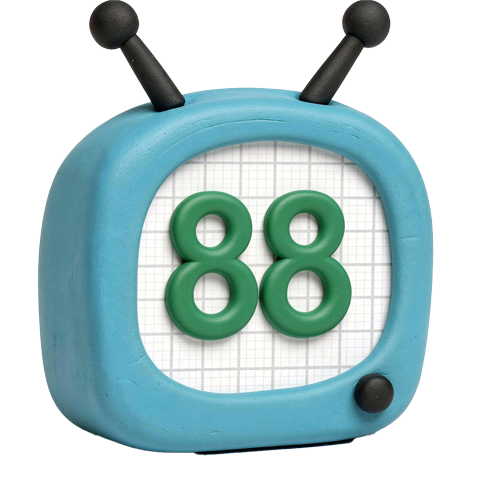
Wholesome
58

Greg Heffley is relatable but deliberately self-centered, often treating his best friend Rowley poorly and scheming for popularity. The humor comes from his failures, but he rarely learns or grows. Parents note concerns about modeling poor behavior—Greg lies, manipulates, and shows little empathy. The tone is funny but cynical about middle school social dynamics, with minimal positive role-modeling of kindness or cooperation.

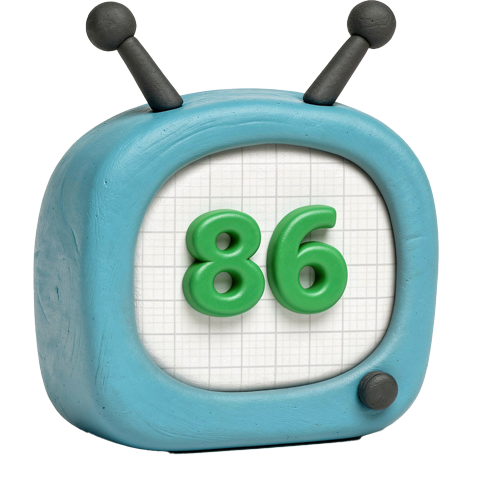
Imaginative
72

The hybrid diary-cartoon format was genuinely innovative in 2007 and inspired countless reluctant readers to pick up books. The comic-style illustrations break up text and add visual humor. Greg's voice is creative and engaging, capturing middle school absurdity with wit. However, the stories are grounded in realistic social survival rather than fantastical world-building or creative problem-solving—it's more observational humor than imaginative exploration.

Safe
88

No violence, sexual content, profanity, or truly inappropriate material for the target age. The book is essentially safe reading with no shock content. Minor deductions for some bathroom humor and mild insults ('moron,' 'idiot'), plus occasional stereotyping that some parents flag (gender roles, treatment of the overweight character Fregley). Web searches confirm it's 'controversial for many parents' but mostly around behavior modeling rather than explicit content.

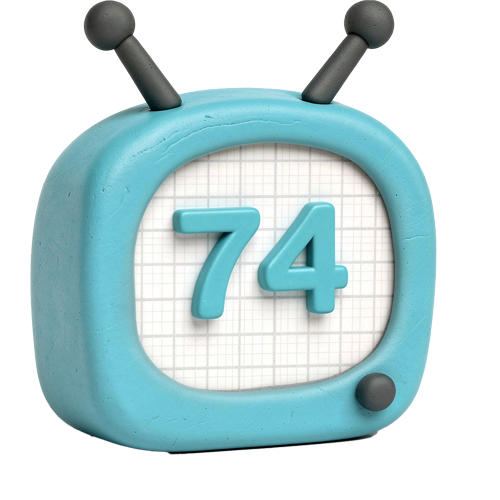
Enriching
62

The series gets millions of reluctant readers—especially boys—to actually read, which is genuinely valuable. Kids recognize their own middle school experiences and feel less alone in the chaos. However, Greg doesn't grow, learn lessons, or demonstrate empathy. There's minimal skill-building beyond reading practice, and the ethical takeaways are murky at best—Greg's schemes backfire but he rarely reflects or improves. Entertainment value is high; personal growth potential is low.

Parent Info

Why It Might Be Great

  • Gets reluctant readers hooked—the comic-diary format is genuinely accessible and funny
  • Captures middle school social anxiety and absurdity with sharp, relatable humor
  • Kids feel seen and less alone in the chaos of navigating friendships and popularity
  • Short chapters and illustrations make it perfect for kids transitioning from picture books
  • Spawned 20+ books, so if your kid likes it, you've got a built-in reading pipeline

What to Watch For

  • Greg is deliberately self-centered—he treats his best friend poorly, lies to get ahead, and rarely learns from mistakes
  • Some parents dislike the cynical tone and worry it normalizes unkind behavior without consequences
  • Mild stereotyping and bathroom humor that some families find eye-roll-worthy
  • Not a 'values-forward' book—if you want positive role models, look elsewhere

Conversation Starters

  • "Greg does some pretty selfish things to Rowley. How would you feel if your friend treated you that way?"
  • "What would you do differently if you were trying to survive middle school like Greg?"
  • "Do you think Greg's schemes are funny or mean? Why do they usually backfire?"
  • "Who's the kindest character in the book? Why don't we see more of them?"

Ask Anything

Get a personalized guide on any topic

Related Guides