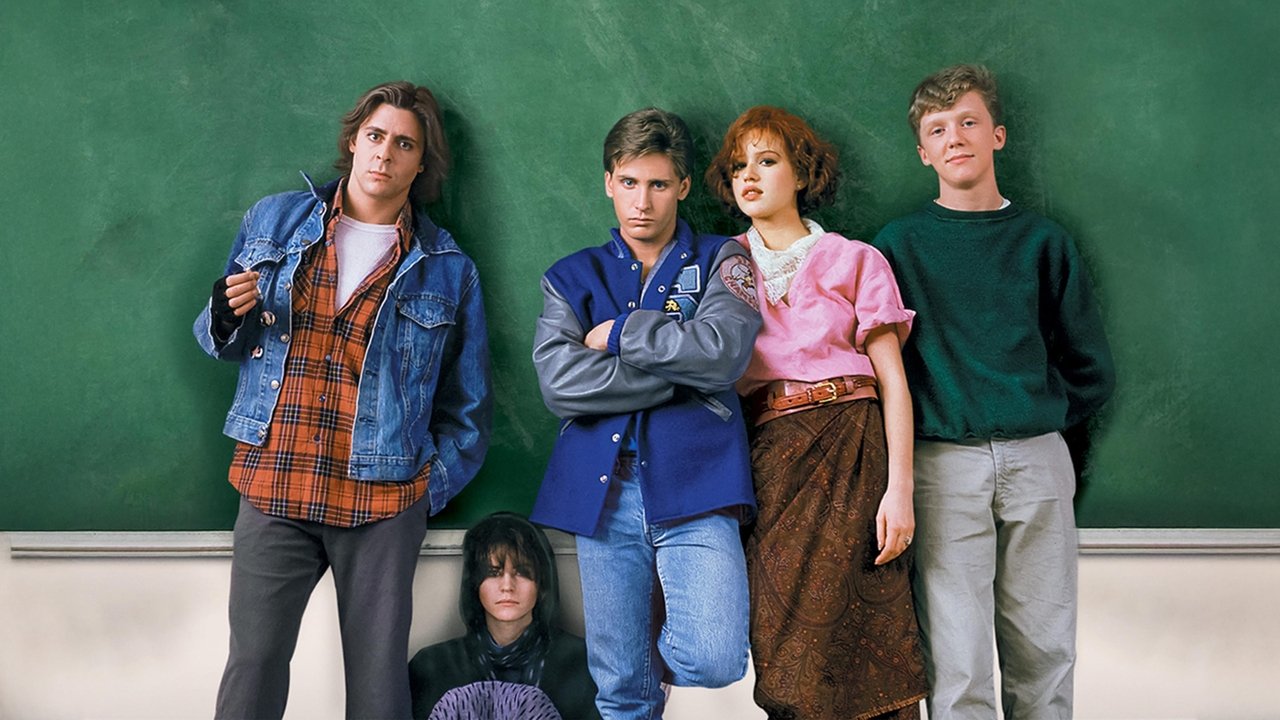
The Breakfast Club

The Breakfast Club

movie

R, 1985, Comedy, Drama

WISE
52%

WISE Score

87

Avg. Tomatometer

Five stereotypes walk into detention and discover they're all damaged—it's moving until the bad boy harasses the princess into kissing him.

IMDb7.8
RT Critics87%
MC66
TMDB7.7
Common Sense Media
Where to Watch
Loading streaming options...
Screenwise Verdict

Here's the truth: The Breakfast Club is a cultural landmark that genuinely tries to say something meaningful about teenage identity and social cruelty. The conversations about parental pressure, suicide ideation, and the pain of social hierarchies are still relevant.

But it's also a 40-year-old movie that moves at a glacial pace by modern standards, is filled with dated references, and—most importantly—has a romantic subplot that teaches exactly the wrong lesson. John Bender spends the entire film harassing Claire, and she rewards him with a kiss and a makeover montage. It's the 'bad boy who won't take no for an answer' trope that we're actively trying to unlearn.

If you're going to watch this with your teen, make it a deliberate choice with commentary, not a casual Friday night pick. Use it as a teaching moment about how media from different eras reflects different values, and have real conversations about consent and what healthy relationships actually look like. Otherwise, there are better coming-of-age films that deliver similar emotional depth without the problematic baggage (see: The Perks of Being a Wallflower, Lady Bird, Eighth Grade).

The WISE score reflects both the film's genuine emotional intelligence AND the significant issues with harassment-as-romance, plus the reality that most modern teens will tap out after 20 minutes of 1980s detention room dialogue.
Age Fit

Best for older high schoolers (16+) who can critically analyze problematic relationship dynamics and have the cultural literacy to appreciate a very slow, dialogue-heavy 1980s film. Realistically, most modern teens will find this boring and dated despite its classic status.

WISE Breakdown
Wholesome
58

The film explores genuine emotional growth and empathy as five teens break down social barriers and connect authentically. However, it includes problematic elements by today's standards: John Bender's behavior toward Claire crosses into harassment (hiding under her desk, repeated unwanted advances), casual homophobic slurs, and a troubling romantic arc where Claire ends up with her harasser. The peer pressure to get high and the overall tone of adult dismissiveness undercuts some of the positive messaging about understanding others.

Imaginative
72

For 1985, this was groundbreaking—a character-driven drama set entirely in one location that relied on dialogue and emotional depth rather than action. It invited audiences to see past stereotypes and imagine the complex inner lives of people they'd dismissed. The film's structure (confessional storytelling, breaking the fourth wall with the essay) was creative. However, it doesn't invite active creativity from viewers, and nearly 40 years later, the 'kids from different cliques bond' premise has been done to death.

Safe
45

R-rated content that would surprise many parents: frequent strong language (including f-bombs), marijuana use shown positively, sexual content (discussions of virginity, Claire's harassment), a scene showing Andrew's buttocks, and a student pulling a gun from his locker (though not threateningly). John Bender's aggressive behavior toward Claire—including physically cornering her and making sexual comments—is depicted as edgy rather than predatory, and she ultimately rewards it with a kiss. The film also includes a suicide contemplation discussion. This is not something a younger teen should stumble into unexpectedly.

Enriching
75

This is genuinely rich material for discussing social hierarchies, the masks we wear, parental pressure, and empathy across social divides. Each character reveals legitimate pain—Andrew's abusive father, Brian's suicidal ideation over a failing grade, Allison's neglect, Claire's impossible social pressures, John's physical abuse. The film asks meaningful questions about identity and authenticity. However, the lessons are muddied by problematic relationship dynamics and the fact that the film's resolution is somewhat ambiguous about whether anything will actually change come Monday.

Parent Info

Why It Might Be Great

  • Genuinely thoughtful exploration of how social hierarchies damage everyone, rich vs. poor, popular vs. outcast
  • Each character gets real depth—the jock's abusive dad, the brain's suicidal thoughts, the basket case's neglect are handled with surprising sensitivity
  • Excellent launching pad for conversations about authenticity, peer pressure, and the masks we wear at school
  • Cultural touchstone that defined a generation's understanding of teen angst—your teen might appreciate the reference points

What to Watch For

  • John Bender's treatment of Claire is textbook harassment—hiding under her desk uninvited, repeated unwanted sexual comments, physically intimidating her—and the film rewards him with a romantic kiss at the end
  • Casual homophobic slurs, sexual discussions (virginity, Claire being pressured to explain her sexual history), and marijuana use portrayed as a bonding experience
  • Strong language throughout, brief male nudity, and a scene with a gun in a locker
  • The slow pacing and 1980s cultural references make this genuinely hard for modern teens to engage with—it feels like homework

Conversation Starters

  • "Do you think anything actually changed for them after that Saturday, or did they go back to ignoring each other on Monday?"
  • "What did you think about how John treated Claire? Why do you think she ended up kissing him after all that?"
  • "Which character did you relate to most, and what surprised you about their story?"
  • "The movie shows how much pressure each kid is under from their parents—do you feel like school social groups work the same way now?"

Deep Dive

The "One Room" Problem

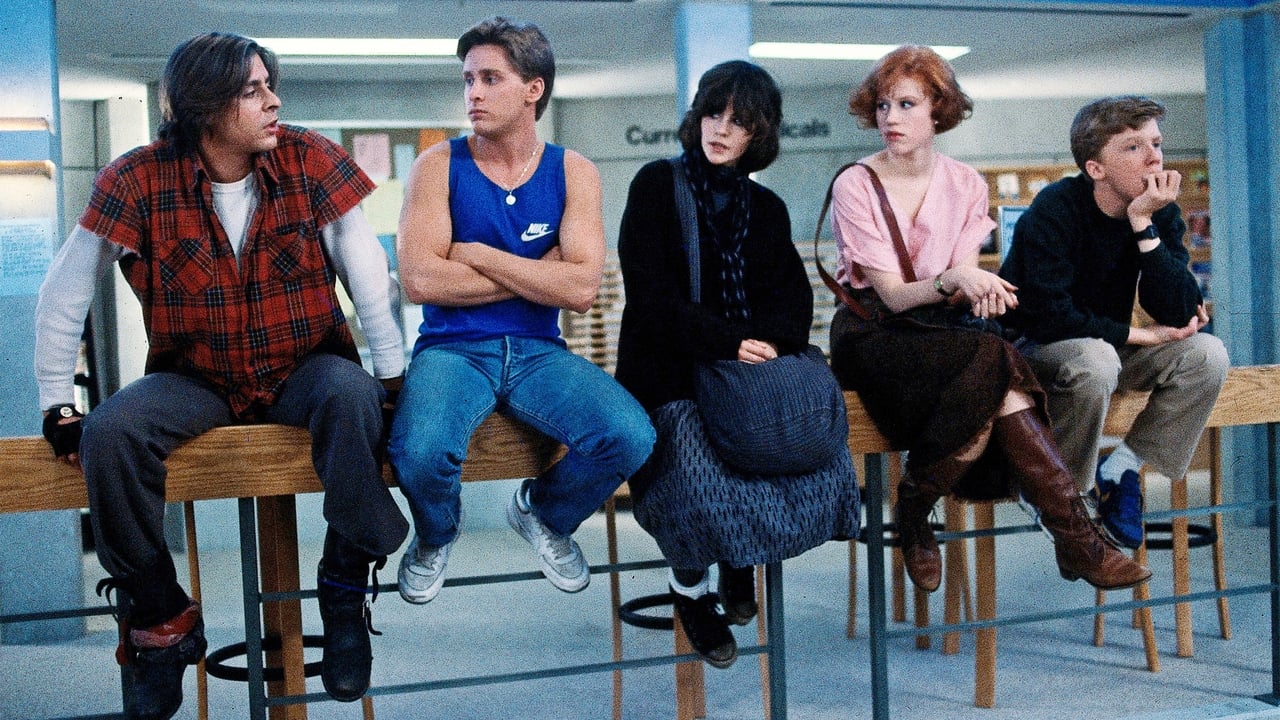
If your teen’s media diet consists of fast-paced thrillers or quick-cut YouTube edits, The Breakfast Club is going to feel like a marathon. It’s 98 minutes of people sitting in a library talking. There are no car chases, no special effects, and the "action" peaks when they run through some hallways to avoid a teacher.

It’s essentially a filmed stage play. That’s a tough sell for a generation used to high-octane storytelling. However, if they can get past the slow burn of the first act, the payoff is the "circle scene" where the characters finally drop their guards. It’s one of the few times an '80s movie actually treats teen problems—like parental neglect and academic pressure—with genuine gravity rather than as a punchline.

The Makeover Betrayal

One specific moment that almost always irritates modern viewers is the transformation of the "basket case" character. For an hour, the movie builds her up as a weird, interesting outsider who doesn't care what people think. Then, in the final five minutes, she gets a "pretty" makeover so the jock will like her.

It’s a classic trope that hasn't aged well. Most kids today are more interested in 80s nostalgia media your kids are discovering because of the "weirdo" characters, so seeing the movie’s most unique personality get sanded down into a prom queen look feels like a sellout. It’s a great opening to talk about why movies from this era felt the need to "fix" anyone who didn't fit the mold.

Navigating the "Bad Boy" Trope

The dynamic between the "criminal" and the "princess" is the biggest hurdle for a 2026 audience. The film tries to frame his harassment as a edgy flirting, but it’s often just cruel. He spends a large portion of the runtime mocking her sexual history and physically intimidating her.

If you grew up loving this movie, it’s easy to look past that because of the iconic soundtrack and the "fist-pump" ending. But your teen is going to see the harassment first and the romance second. This is the perfect opportunity to use our guide on how to talk to your teen about consent after watching the Breakfast Club to bridge that gap.

Is It Still a Must-Watch?

Critics still give this a high 87% on Rotten Tomatoes for a reason. When the movie hits, it hits hard. The dialogue about how "when you grow up, your heart dies" still resonates with high schoolers who feel the weight of the world.

If your kid liked the emotional honesty of The Perks of Being a Wallflower or the awkward realism of Eighth Grade, they’ll find something to love here. Just be ready to pause and acknowledge the totally cringe tropes that come with the territory. It’s a foundational text of the teen genre, but it’s definitely a "watch together" movie rather than a "set it and forget it" one.

Stills
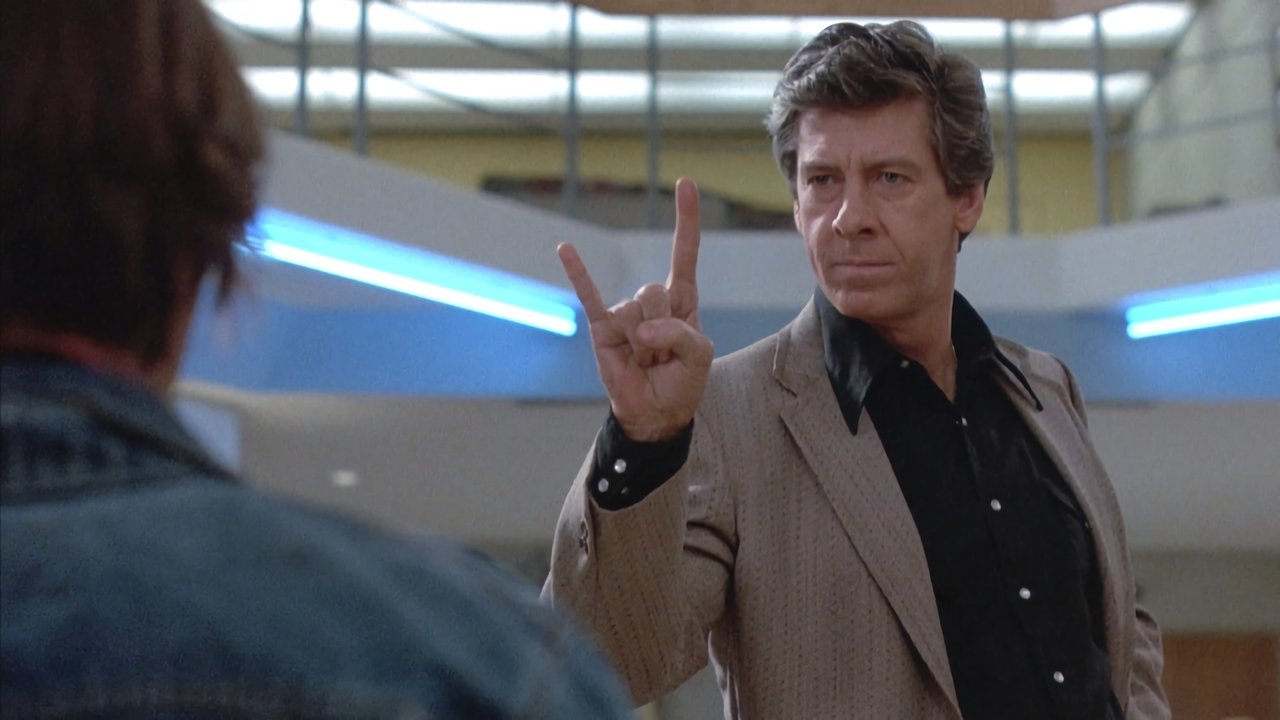
The Breakfast Club — still 1
The Breakfast Club — still 2
The Breakfast Club — still 3
The Breakfast Club — still 4
The Breakfast Club — still 5
The Breakfast Club — still 6
The Breakfast Club — still 7
The Breakfast Club — still 8

Ask Anything

Get a personalized guide on any topic

Related Guides