New Kid

New Kid

book

2019, Children's Books, Arts, Music & Photography

WISE
89%

WISE Score

4.7

Amazon

Award-winning graphic novel about a Black seventh grader navigating a predominantly white prep school—funny, honest, and actually worth the hype.

Amazon4.7
Common Sense Media

Where to Read

Our reviews and ratings are 100% unbiased, but as an Amazon Associate, Screenwise earns an affiliate fee if you buy a book or game by clicking one of our links. We don't get any credit if you just Google it instead :)

Screenwise Verdict

This is the real deal—a book that won every major award and actually earned them. Jerry Craft created something that's both mirror and window: kids of color see themselves navigating predominantly white spaces, and white kids get a clear view into experiences they might not otherwise understand.

The graphic novel format is clutch here. Jordan processes his world through cartooning, so we literally see his perspective drawn on the page. It makes the book accessible without dumbing anything down. The story tackles microaggressions, code-switching, and what it costs to 'fit in' at a place that wasn't designed for you—but it does this through the eyes of a seventh grader who just wants to draw and hang with his friends.

One reviewer found it boring, which... okay, if you're expecting explosions and dragons, this isn't that. It's a realistic story about a kid's daily life. But for most readers, Jordan's struggle to navigate two worlds while staying true to himself is plenty engaging. The 4.7 Amazon rating and multiple prestigious awards suggest the boring-take is an outlier.

This is essential reading for middle schoolers, period. It builds empathy, validates experiences that often go unacknowledged, and it's just well-crafted storytelling. Plus it actually gets kids reading, which is half the battle these days.
Age Fit

Perfect for 8-14 year olds, especially middle schoolers navigating their own identity questions and social dynamics. The graphic novel format makes it accessible for younger readers (even 8-year-olds can handle it), while the themes remain relevant through middle school.

WISE Breakdown
Wholesome
88

Jordan's story models navigating difficult social situations with integrity, maintaining friendships across different worlds, and staying true to yourself despite pressure to conform. The family dynamic is solid—parents care deeply about Jordan's future even when their choices conflict with his dreams. Friendship is portrayed authentically, with both the challenges of maintaining old friendships and forming new ones. The book handles microaggressions and racism with age-appropriate honesty without being preachy, showing how these experiences affect a kid emotionally while also depicting resilience and humor.

Imaginative
82

Craft uses the graphic novel format creatively—Jordan's cartoons-within-the-story show his artistic perspective and how he processes his world through drawing. The visual storytelling is engaging and accessible, making it feel fresh even though the 'fish out of water' narrative isn't groundbreaking. Jordan's passion for art and cartooning is central, which naturally encourages creative thinking. However, it's more about observing and documenting reality through art than fantastical world-building or invention.

Safe
92

This is a middle-grade graphic novel with no content warnings. It deals with racism, microaggressions, and the social challenges of being one of few Black students at a predominantly white private school—but these are handled age-appropriately for the intended audience. There's some bullying and uncomfortable social situations, but nothing graphic or traumatic. The book is designed to be read by kids navigating similar experiences, so the difficult content is presented in a way that's meant to validate and support, not shock or disturb.

Enriching
91

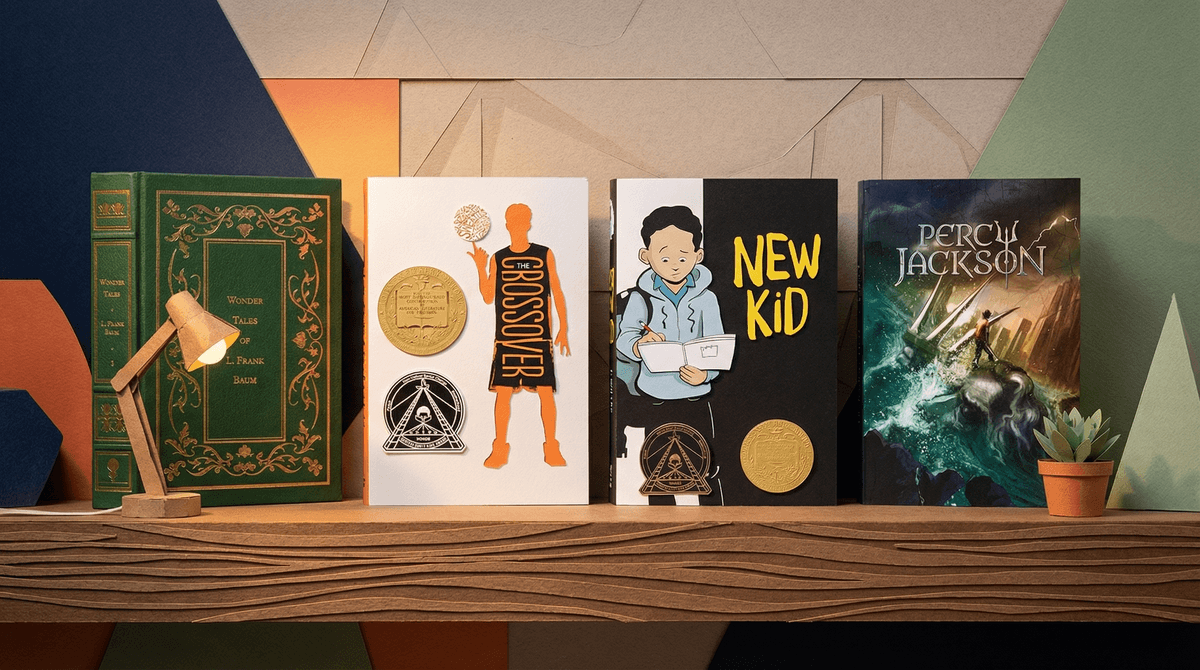
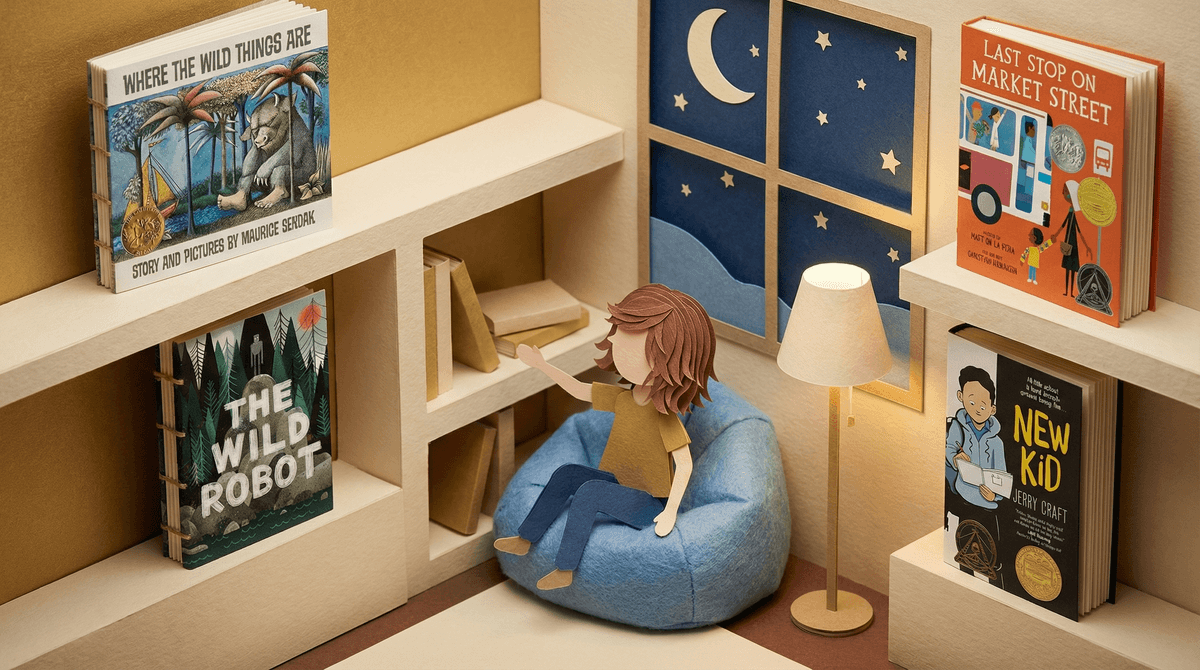
Winner of the Newbery Medal, Coretta Scott King Author Award, and Kirkus Prize—this is legitimately excellent literature. It builds empathy by putting readers in Jordan's shoes as he navigates two worlds, experiences casual racism and microaggressions, and tries to maintain his identity. For kids of color, it's validating representation. For white kids, it's a window into experiences they may not understand. The book tackles code-switching, class differences, and what it means to 'fit in' without sacrificing who you are. It's also just well-written and engaging, which matters for actually getting kids to read and absorb these themes.

Parent Info

Why It Might Be Great

  • Triple-crown winner (Newbery, Coretta Scott King, Kirkus Prize) that actually deserves the awards—it's genuinely good, not just 'good for kids'
  • The graphic novel format makes it accessible for reluctant readers while still delivering sophisticated themes about identity, code-switching, and belonging
  • Jordan is a relatable protagonist who loves drawing cartoons and just wants to go to art school—his artist's perspective literally shapes how the story is told
  • Handles racism and microaggressions with honesty but also humor and hope, showing how kids actually experience and process these situations
  • Strong family dynamics and authentic friendships across different social worlds—it's about staying true to yourself without being after-school-special about it

What to Watch For

  • The book directly addresses racism, microaggressions, and being tokenized—these are age-appropriate for the target audience but be ready to discuss what Jordan experiences
  • Some kids may find it boring if they're expecting action or fantasy (one reviewer called it 'largely very boring,' though this seems to be a minority view)
  • If your kid has never thought about code-switching or navigating different cultural spaces, they might need some context to fully appreciate what Jordan's going through

Conversation Starters

  • "Jordan feels like he has to act differently at school than in his neighborhood. Have you ever felt like you need to change how you act depending on where you are?"
  • "Jordan's parents want him to go to this fancy school even though he'd rather go to art school. When have you and I disagreed about what's best for you?"
  • "Jordan's classmates make assumptions about him based on his race. What do you think about how he handles those moments?"
  • "Jordan stays friends with kids from his neighborhood even though his new school friends don't really get it. How do you balance different friend groups?"

Ask Anything

Get a personalized guide on any topic