

TL;DR
The short version: MrBeast is the most influential creator on the planet. His content is high-budget, fast-paced, and centers on extreme stunts or massive philanthropy. While generally "clean" (no swearing/gore), the "Beast Economy" is designed to turn your kid into a consumer of Feastables and Lunchly. Watch for over-stimulation and the "lottery" mindset.
Quick Links:
If you haven't seen a MrBeast video, imagine the high-stakes energy of a 90s game show mixed with the "giveaway" vibes of Oprah, then speed it up by 400%. Jimmy Donaldson (the man behind the brand) has built an empire on "stunt philanthropy." We’re talking about things like "I Gave Away a Private Island" or "Last to Leave the Circle Wins $500,000."
He isn't just a YouTuber anymore; he’s a massive media conglomerate. He has a gaming channel where he plays Minecraft and Roblox, a philanthropy channel where he builds wells in Africa, and a burgeoning snack empire.
For parents, MrBeast is often the "safe" choice because he doesn't swear, doesn't do "edgy" humor, and seems like a genuinely nice guy. But as the channel has grown, the complexity for parents has shifted from "Is this appropriate?" to "Is this healthy?"
Kids are obsessed with MrBeast for three main reasons:
- The "Lottery" Factor: Every video feels like a life-changing event. There is a "it could be me" energy that keeps kids hooked.
- Hyper-Editing: The videos are edited to be "un-pausable." Every few seconds, there is a camera cut, a loud sound effect, or a new visual. It is designed to hijack the dopamine receptors of an 8-year-old.
- Social Currency: If you didn't see the new MrBeast video where he recreated Squid Game in real life, you have nothing to talk about at the lunch table.
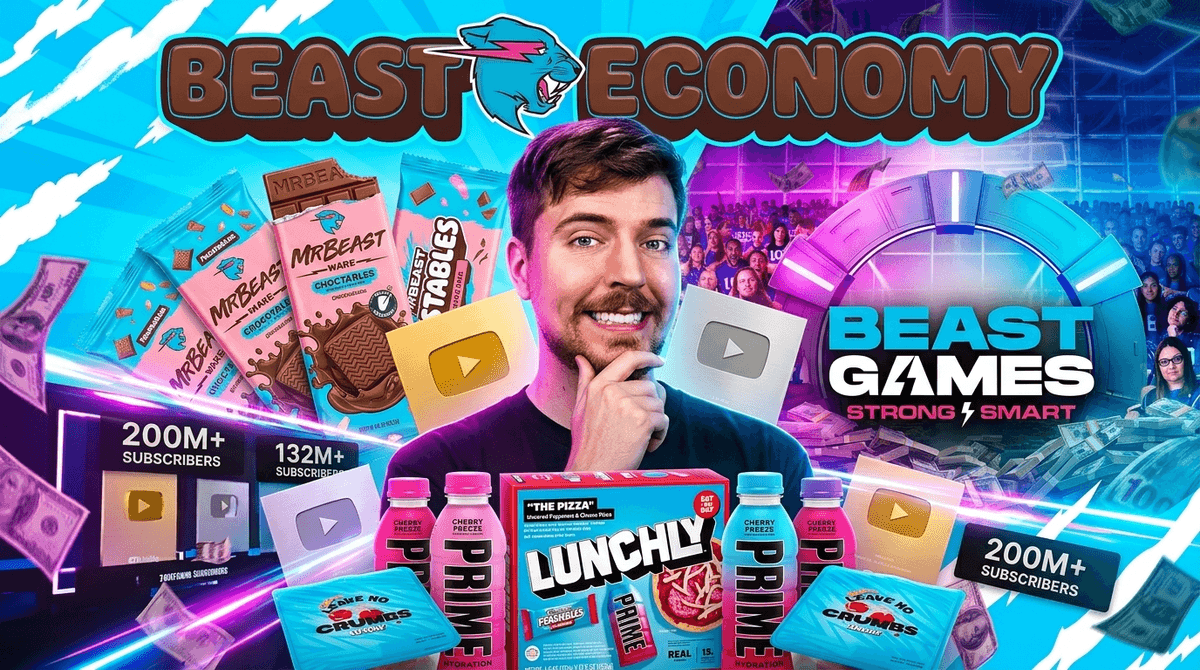
We need to talk about the "Beast Economy." Jimmy isn't just making videos; he’s selling a lifestyle.
- Feastables: His chocolate bar brand.
- Lunchly: A collaboration with Logan Paul and KSI to compete with Lunchables.
This is where the line between "entertainment" and "infomercial" gets blurry. Kids aren't just watching a challenge; they are being told that buying a chocolate bar might win them a ticket to a video. It’s a brilliant marketing loop, but it can turn your grocery store trip into a battleground.

Recently, the "Beast" brand has taken some hits. The production of his Amazon Prime show, Beast Games, faced allegations of unsafe set conditions, lack of food/medicine for contestants, and a "toxic" work culture.
Additionally, there’s been a growing conversation about the ethics of his philanthropy. Some critics argue that "fixing 1,000 people's blindness" shouldn't be a 10-minute entertainment video with a thumbnail of a crying person.
From a parent's perspective, this is a great chance to talk about intent vs. impact. Is it good to help people? Yes. Is it weird to film them at their lowest point for views? Maybe.
Ages 5-7: Use Caution
The editing is extremely intense. For younger kids, MrBeast can be over-stimulating. They might not understand that the "money" is real or that the challenges are staged/produced. Stick to YouTube Kids or curated channels like National Geographic Kids if you want to avoid the "Beast" fever this early.
Ages 8-12: The Sweet Spot
This is his primary audience. They get the humor, they love the gaming content on MrBeast Gaming, and they want the merch. This is the age to start talking about how much of this is "TV magic" vs. reality.
Ages 13+: Critical Thinking
Teens are starting to see the "business" of MrBeast. They might be interested in the entrepreneurship side, but they also might be susceptible to the "get rich quick" vibe that some of his copycat channels promote.
If your kid is a "Beast" fan, here are the three things you should keep an eye on:
1. The Attention Span Issue
MrBeast perfected the "fast-paced" style that has now infected all of YouTube. If your kid watches three hours of this, a "normal" book or a slow-paced movie like The Iron Giant is going to feel like torture. We call this "brain rot" not because the content is evil, but because it recalibrates the brain to expect constant hits of dopamine.
2. The Materialism
The videos center on stuff. Winning cars, buying houses, spending $1,000,000 in an hour. Even though he’s "giving it away," the focus is always on the dollar amount. It can create a warped sense of value in kids who haven't yet learned what a dollar is actually worth.
3. The "Copycat" Problem
There are thousands of smaller YouTubers trying to be the next MrBeast. They often do "challenges" that are much less safe and much more mean-spirited. Just because your kid is watching a "challenge" video doesn't mean it has the (relative) safety of a MrBeast production.
You don't have to ban MrBeast, but you should talk about him. Try these conversation starters:
- "How do you think Jimmy makes enough money to give away $100,000 in every video?" (Talk about YouTube ad revenue and Feastables sales).
- "Do you think the people in the videos are actually having fun, or does it look stressful?" (Discuss the reality of 48-hour challenges).
- "If you had $10,000 to help people, would you film yourself doing it? Why or why not?"
Check out our guide on teaching kids about the creator economy
MrBeast is the modern-day equivalent of a massive Saturday morning cartoon block mixed with a game show. It’s not "bad" content—it’s actually some of the most impressive production on the internet—but it is loud, consumerist, and addictive.
If your kid is obsessed, don't sweat it. Just make sure they’re balancing the high-octane "Beast" stunts with some "slow media" like The Wild Robot by Peter Brown or a slower-paced show like Great British Baking Show.
- Watch together: Sit down for one 15-minute video. You’ll quickly see why your kid is hooked (and why you might have a headache).
- Check the Gaming Channel: If they watch MrBeast Gaming, see if they’re being encouraged to spend money on Roblox or Fortnite.
- Set "Fast Media" Limits: Use the Screenwise survey to see how your family's YouTube habits compare to your community.
Take the Screenwise Survey to see your family's digital context