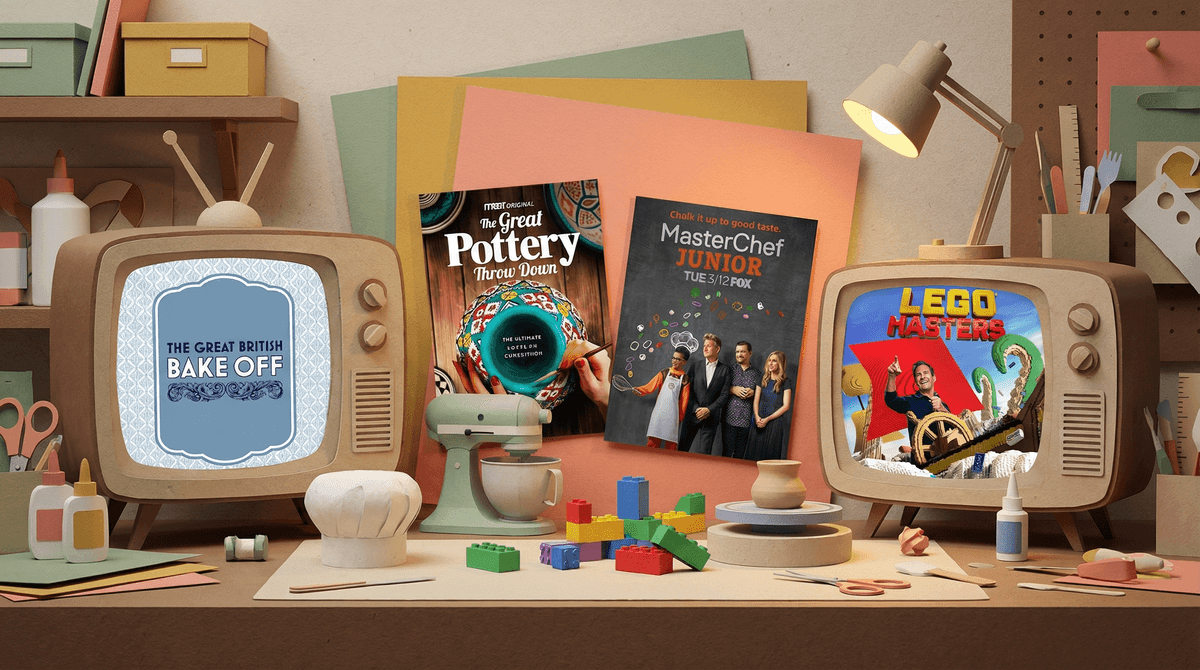
The Antidote to Mean Reality TV
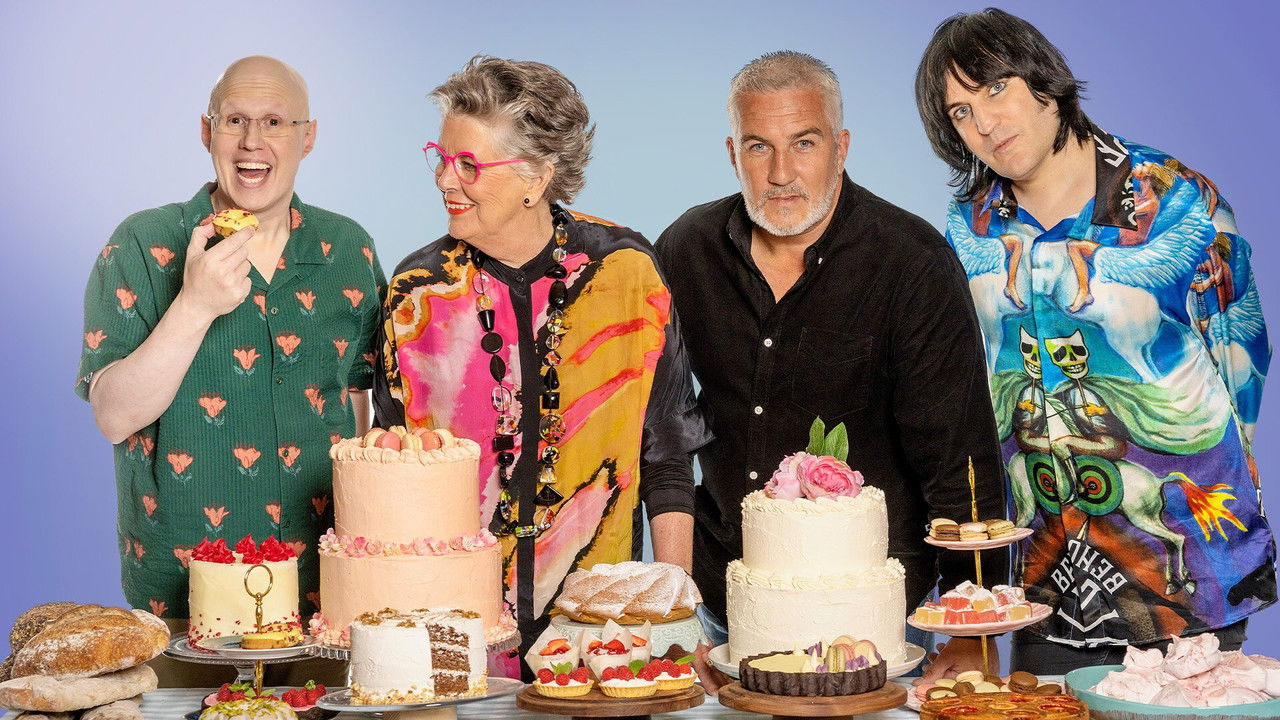
Most competitive reality television operates on a basic formula: trap volatile personalities in a room, deprive them of sleep, edit their conversations to manufacture grudges, and cut to dramatic stingers every forty seconds. The Great British Baking Show tossed that blueprint into the bin.
The stakes are surprisingly low on paper: there is no cash prize, no book deal, no contract. The winner gets an etched glass cake stand and a bunch of flowers. Because the bakers have nothing to gain by knocking an opponent down, the tent operates on mutual survival. When someone drops a tart tin with ninety seconds left, three other bakers run over with spatulas to help shovel it onto a platter.
The Anatomy of an Episode
Every regular episode follows three clear beats:
- The Signature: A reliable home bake where contestants show off personal flavor profiles and family recipes.
- The Technical: A stripped-down, blind test where the judges leave the tent, leaving the bakers with deliberately vague instructions (often just "make a crème caramel") to test pure technical instinct.
- The Showstopper: Structural architectural builds made of sponge, biscuit, choux pastry, or sculpted bread.
That structure makes the pacing predictable and soothing, even when bakers are sweating through a humid English afternoon trying to get royal icing to set.
Kitchen Physics
Beyond entertainment, the show is a stealth masterclass in chemistry and food science. Kids pick up concrete terminology: proofing bread, blind-baking shortcrust to avoid raw bases, the temper of chocolate, and the risks of overmixing sponge batter. When a bake goes sideways, the judges explain precisely why the chemistry failed rather than just saying it tastes bad.
Pick a weekend afternoon, start with a signature season like Collection 4 or 5 on Netflix, and make sure you have eggs and butter in the fridge before the credits roll.