

TL;DR
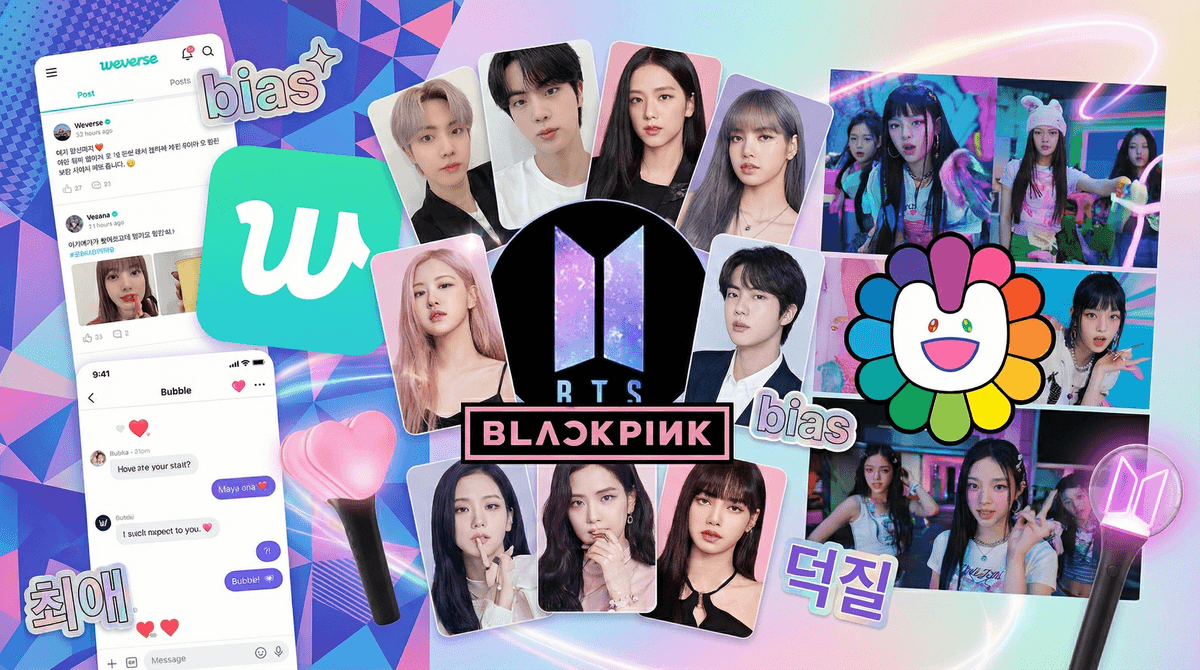
K-pop fandom in 2026 is less of a hobby and more of a full-time digital residency. If your kid is obsessed with BTS or NewJeans, they aren't just listening to music—they are navigating a complex ecosystem of subscription apps like Weverse and Bubble, participating in massive coordinated social media "comebacks," and potentially spending a small fortune on digital and physical "photocards." It’s high-energy, community-driven, and incredibly expensive if left unchecked.
Learn how to manage in-app purchases on fan platforms See our guide on social media boundaries for teens
In 2026, the word "fan" feels too small for what’s happening in K-pop. Your child is likely a Stan—a term that evolved from the Eminem song but has been reclaimed by K-pop communities to mean a "super-fan" who is deeply invested in a group’s success.
Being a stan means more than buying an album. It involves:
- Streaming Parties: Coordinated efforts to play a music video on YouTube or Spotify on a loop to break world records.
- The "Bias": Your kid’s favorite member of the group. If they have a "Bias Wrecker," that’s the member who is currently making them question their loyalty to their favorite.
- The Comeback: This isn't a return from retirement. In K-pop, a "comeback" is simply a new release cycle. It’s a high-stress, high-excitement period where fans are expected to be online 24/7 to support the new music.
If you think your kid is just on TikTok, you're only seeing the tip of the iceberg. The real business of K-pop happens on specialized platforms designed to monetize the relationship between the idol and the fan.
Think of this as a mix between Facebook and Amazon specifically for K-pop. It’s the official hub where idols post "moments" (like stories) and fans can interact in a moderated (mostly) environment. It also houses the Weverse Shop, which is where the "limited edition" merch drops that sell out in four seconds happen.
This is the one that catches parents off guard. Bubble is a subscription service where fans pay a monthly fee to receive "private" messages from their favorite idols. To the kid, it looks like a 1-on-1 WhatsApp or iMessage chat. In reality, the idol sends one message to thousands of subscribers, and the fans' replies are sent back to the idol in a massive feed.
- The Hook: The app tells the fan how many days they’ve been "chatting" with the idol. If they cancel their subscription, that streak resets. It’s a psychological masterclass in subscription retention.
Discord and X (Twitter)
While the official apps are for consumption, these platforms are for organization. This is where "Fan Bases" coordinate digital billboards in Times Square or organize "mass reporting" of anyone who says something mean about their favorite group. It’s also where the more toxic "fan wars" happen.
It’s easy to look at a kid crying over a Stray Kids music video and roll your eyes, but there’s a reason this is the dominant youth culture of 2025.
- Extreme Inclusion: K-pop fandoms are massive, global communities. For a kid who feels like an outsider at school, being an "ARMY" (BTS fan) or a "Blink" (BLACKPINK fan) provides an instant, worldwide friend group.
- The "Lore": Many groups, like aespa, have complex sci-fi storylines involving AI avatars and alternate dimensions (the "KWANGYA"). It’s like being a fan of a band and Marvel at the same time.
- Creative Output: Fans aren't just consuming; they are creating. They edit videos on CapCut, design digital "journal spreads" on Canva, and learn complex choreography they see on TikTok.
If your child asks for $30 for a "photocard," they aren't buying a poster. They are buying a 2x3 inch piece of cardstock that came inside a $25 album.
- The Gambling Aspect: Albums are sold like trading card packs. You don't know which member’s card you’ll get. This leads to kids buying 10, 20, or 50 copies of the same album just to find a "rare" card.
- The Resale Market: On apps like Instagram and Mercari, rare photocards can sell for hundreds or even thousands of dollars. It’s a literal economy.
Check out our guide on "Gacha" mechanics and digital gambling
K-pop is generally "cleaner" than Western pop—the lyrics are rarely explicit, and the idols are held to strict "wholesome" standards. However, the digital habits it encourages can be intense.
Parasocial Relationships
Because of apps like Bubble, kids can start to feel like these idols are their actual friends or even romantic interests. When an idol gets into a dating "scandal" (which is just... having a boyfriend/girlfriend), the fandom can have a collective meltdown. It's important to remind kids that these are professional entertainers, not their actual peers.
The "Always On" Pressure
The K-pop machine moves fast. If a kid takes a weekend off social media, they might miss three "concept photos," a surprise YouTube livestream, and a merchandise drop. This creates a massive amount of FOMO (Fear Of Missing Out) and can lead to late-night scrolling.
Toxic Fan Wars
The "us vs. them" mentality between different fandoms can get ugly. Cyberbullying is common when two groups release music at the same time. If your kid is getting stressed about "protecting" their idols online, it’s time for a break.
Don't dismiss it as "weird music." To them, it's their identity. Instead, try these conversation starters:
K-pop fandom is a masterclass in digital literacy, community building, and, unfortunately, consumerism. It’s not "brain rot"—in fact, the level of organization and creativity required to be a modern stan is actually pretty impressive.
The goal isn't to stop the fandom, but to put guardrails around the time and money spent. If they are learning Korean on Duolingo and editing videos on CapCut because of their favorite group, that's a win. If they are spending their college fund on Bubble subscriptions and losing sleep over Twitter "fan wars," it’s time to step in.
Next Steps
- Audit the Apps: Check for Weverse and Bubble. Look at the subscription settings.
- Set a "Comeback" Budget: If a new album is dropping, decide ahead of time how many copies (if any) are allowed.
- Talk about Privacy: Remind them that even if an idol "replies" to them on Bubble, they should never share personal information or their location.
Learn more about setting up parental controls on iOS and Android
Find parent-friendly K-pop groups