The Parasocial Powerhouse
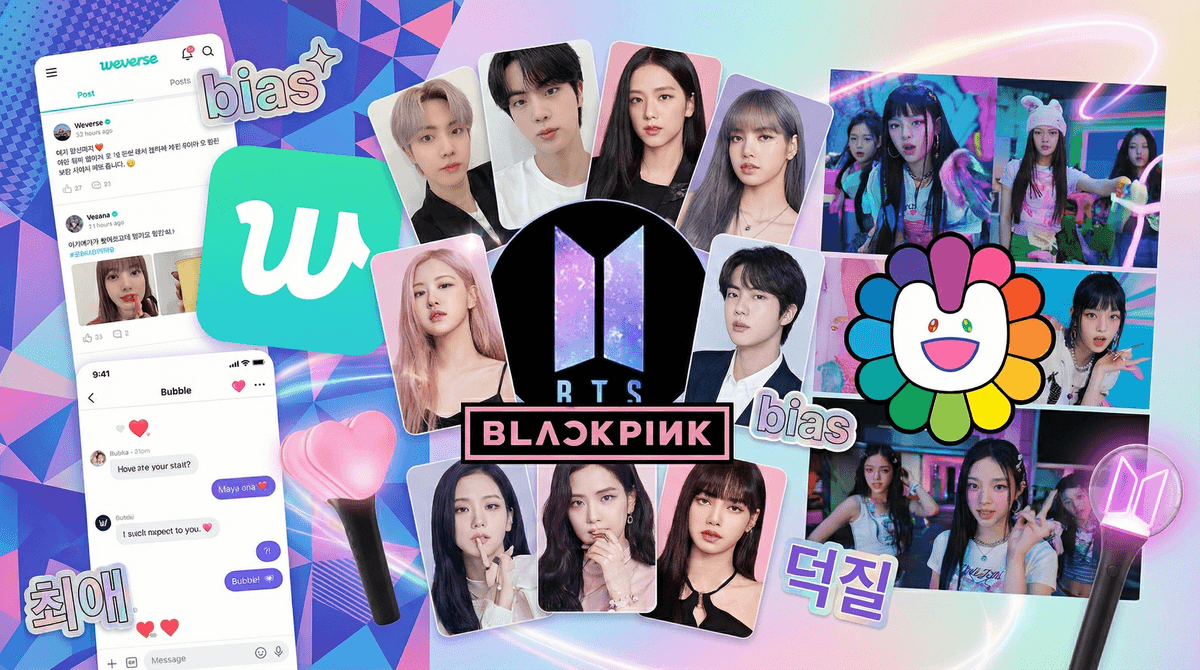
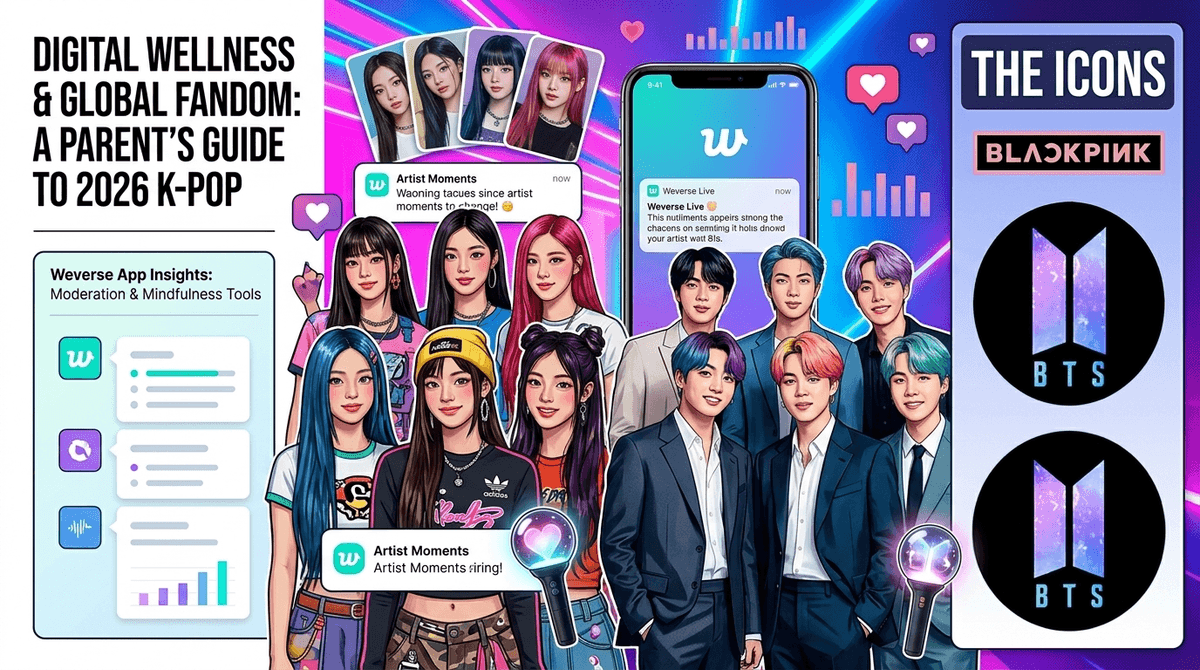
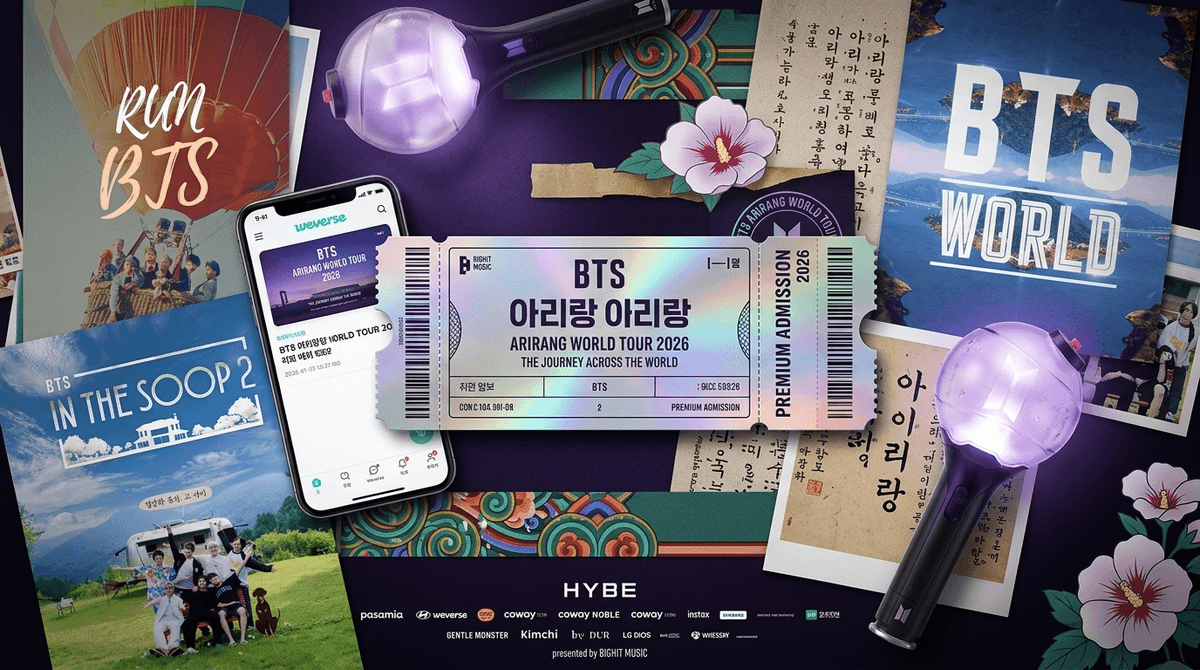
Weverse is more than just a social network; it's the operational hub for the modern K-pop industry. Launched by Hybe (the powerhouse behind BTS), it was designed to cut out the middleman (like Twitter or Instagram) and own the entire relationship between the artist and the fan. For a parent, this means the app is optimized for two things: engagement and monetization.
The most interesting feature is the translation tool. It’s actually quite robust, allowing a kid in Ohio to read a post from a fan in Seoul and understand it instantly. This builds a sense of global community that is rare in other apps. However, that community is built on a foundation of 'stanning'—a level of fandom that can sometimes border on the obsessive.
The 'DM' Illusion
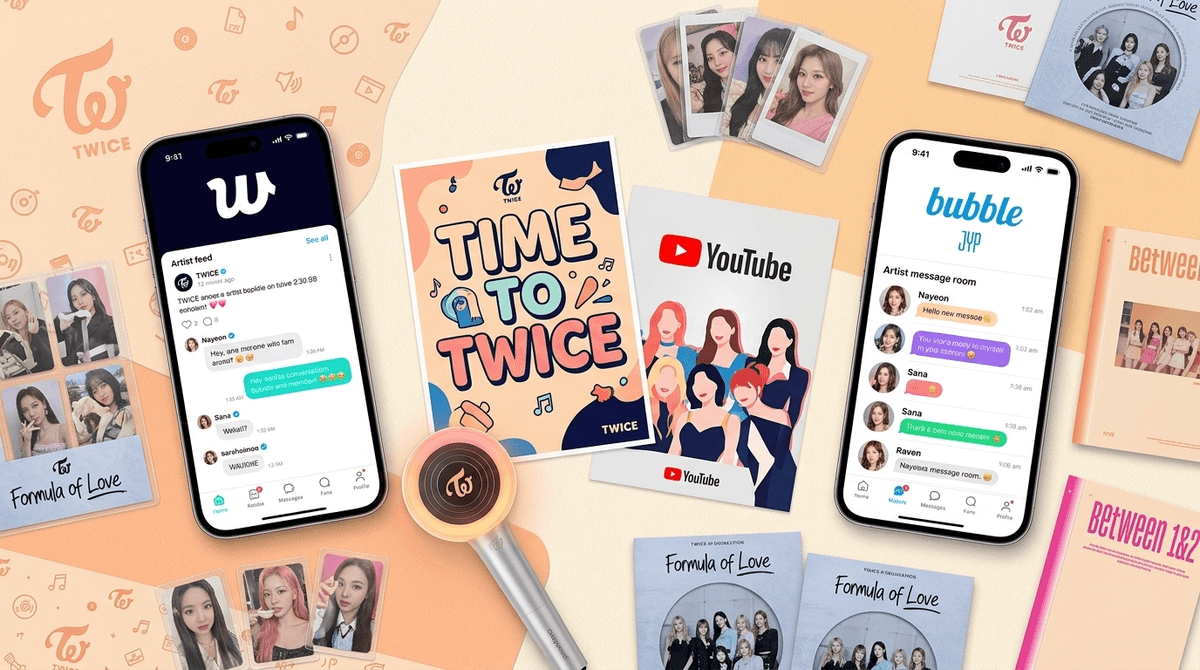
One of the biggest friction points is the 'Weverse DM' feature. To a kid, it looks like they are texting their favorite idol. In reality, it’s a paid subscription where the artist sends out messages to thousands of people at once. It’s a one-way street designed to feel like a two-way conversation. It’s worth sitting down and explaining that no matter how many 'Jellies' they spend, they aren't actually becoming friends with the artist.
Managing the Shop
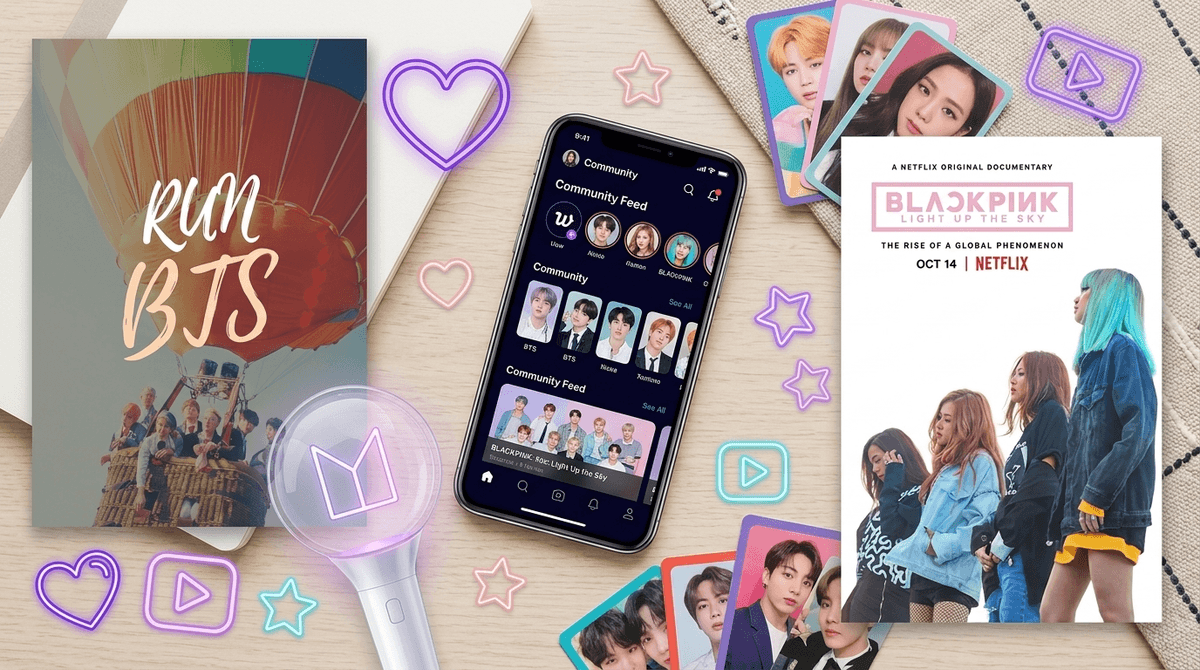
Because the 'Shop' tab is integrated so tightly, the transition from 'I'm just looking at photos' to 'I'm buying a $50 lightstick' is seamless. If you decide to let your kid use Weverse, the move isn't to ban the app—it's to set a hard budget. Treat it like a digital convention floor: it's fun to look, but you need to know exactly how much you're allowed to spend before you walk through the door.