

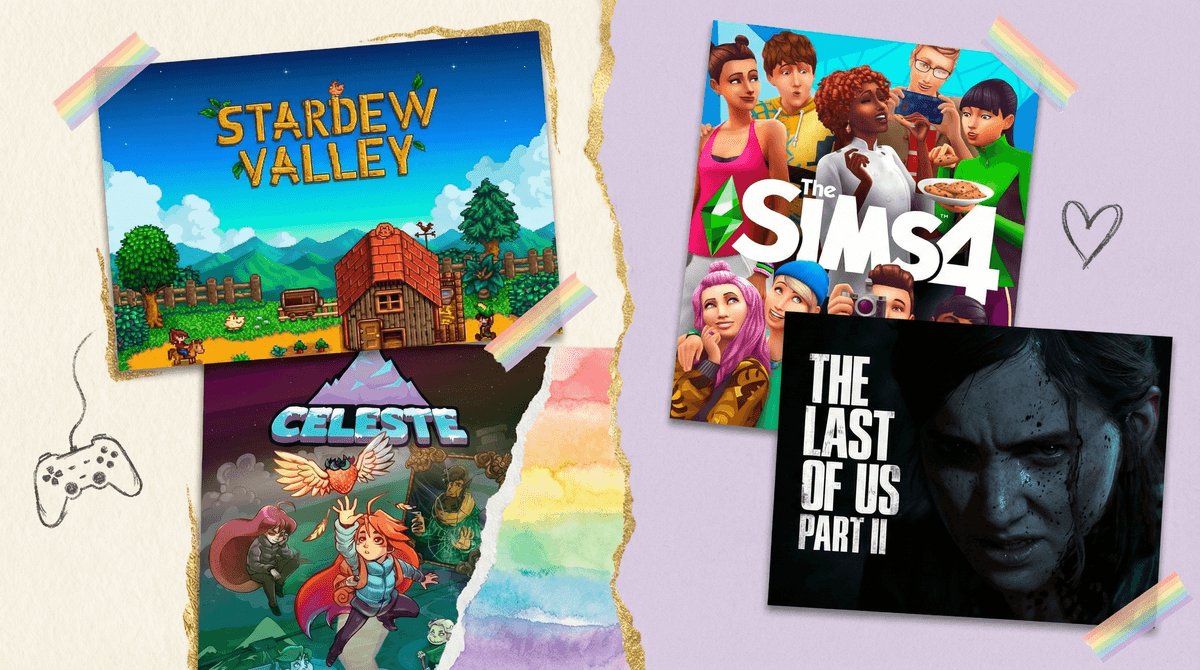
We're talking about video games that include lesbian, gay, bisexual, transgender, queer, and other LGBTQ+ characters as part of their story, world, or player options. This ranges from major AAA titles like The Last of Us Part II (where the main character Ellie is a lesbian) to indie darlings like Celeste (featuring a trans protagonist) to games like The Sims 4 where players can create any kind of family structure they want.
Some games put LGBTQ+ identity front and center in the narrative. Others simply include diverse characters as a natural part of their world—the same way the real world includes LGBTQ+ people. And increasingly, games let players express their own identity through character creation and relationship choices.
The representation has come a long way from the early 2000s when LGBTQ+ characters were either villains, jokes, or hidden in subtext. Now? It's pretty common, especially in story-driven games.
Here's the thing: representation in media matters, full stop. Research consistently shows that when kids see diverse characters in the media they consume, it builds empathy and understanding. For LGBTQ+ kids specifically, seeing characters who share their identity can be genuinely life-changing—it tells them they're not alone and their stories matter.
But this isn't just about LGBTQ+ kids. It's about all kids growing up in a diverse world. Gaming is one of the most popular forms of entertainment for children and teens, and it's where a lot of kids encounter different perspectives and identities. Games can be a low-stakes way to explore complex topics and have conversations that might feel awkward to start from scratch.
And let's be real: LGBTQ+ people exist. They're teachers, neighbors, family members, and yes, video game characters. Including them in games isn't political—it's just reflecting reality. The idea that kids need to be "protected" from knowing that gay people exist is... not based in anything except discomfort. Kids are remarkably accepting when given accurate information.
Kids love these games for the same reason they love any games: they're fun, engaging, and tell great stories. The LGBTQ+ representation is often just one aspect of a much larger experience.
Take Hades, a roguelike where you fight your way out of the underworld. It's beloved because the combat is satisfying and the story is compelling. The fact that the main character Zagreus can romance both male and female characters? That's just part of the rich, mythologically-inspired world. Kids aren't playing it for a "message"—they're playing it because it absolutely rips.
Or consider Stardew Valley, the cozy farming sim. You can marry any of the eligible bachelors or bachelorettes regardless of your character's gender. Most players appreciate having options that let them play authentically, and it doesn't change the core experience of building your farm and befriending the townspeople.
For LGBTQ+ kids specifically, these games offer something powerful: the chance to see themselves as the hero. Not the sidekick, not the tragic backstory, but the actual protagonist saving the world or building a life.
Not all games with LGBTQ+ characters are appropriate for all ages—but that's because of content like violence or mature themes, not because of the representation itself.
Elementary (Ages 6-10)
- Chicory: A Colorful Tale: A wholesome painting adventure with subtle LGBTQ+ representation
- The Sims 4: Create any family structure you want (though monitor online interactions)
- Spiritfarer: Beautiful game about death and letting go, features a gay couple (Ages 8+, deals with grief)
Middle School (Ages 11-13)
- Celeste: Challenging platformer about anxiety and self-acceptance with a trans protagonist
- Stardew Valley: Farming sim with inclusive romance options
- Undertale: Quirky RPG with several LGBTQ+ characters including a canonical lesbian couple
- Hades: Action game with bisexual protagonist (some violence and mild suggestive themes)
High School (Ages 14+)
- The Last of Us Part II: Mature, violent, but incredible storytelling with lesbian protagonist
- Life is Strange series: Story-driven games exploring identity, relationships, and tough choices
- Dragon Age: Inquisition: Epic fantasy RPG with diverse romance options including trans character
- Baldur's Gate 3: Massive RPG with extensive character creation and relationship options (mature content)
The representation varies widely. Some games make it a central part of the story (like Tell Me Why, which features a trans main character). Others include it casually—a character mentions their same-sex partner in passing, or you see a pride flag in the background. Neither approach is better; they're just different.
It's not always labeled. Unlike movies and TV shows, games don't have a "contains LGBTQ+ characters" warning label. You might encounter it unexpectedly. If that's a concern for you, checking resources like Common Sense Media or LGBTQ+ gaming databases can help you preview content.
Your kid might have questions. And that's okay! Games can be a natural conversation starter. If your 10-year-old asks why two characters of the same gender are married in Stardew Valley, it's an opportunity for an age-appropriate conversation about how families come in different forms. You don't need a PhD—just honesty and openness.
Online communities matter. Many games with LGBTQ+ representation have wonderfully supportive fan communities. But online spaces can also expose kids to mature discussions or, occasionally, bigotry. The usual rules about monitoring online interactions apply here.
Some games handle it better than others. Not all representation is created equal. Some games include LGBTQ+ characters thoughtfully and authentically. Others feel like they're checking a box or fall into stereotypes. As your kids get older, these can be interesting conversations about media literacy—what makes representation feel genuine vs. tokenistic?
If you're supportive: Just treat it normally. "Oh, those characters are in a relationship? Cool. Is this game fun?" Normalizing it is the whole point.
If you have concerns: Be honest about your family's values while still being respectful. You can say "Our family has different beliefs about relationships" without teaching your kid that LGBTQ+ people are bad or scary. And consider: is the concern about your child knowing LGBTQ+ people exist, or about mature content? Those are different conversations.
If your kid comes out while playing these games: First, take a breath. Second, know that a video game didn't "make" your kid LGBTQ+. But it might have given them language for feelings they already had, or shown them they're not alone. That's actually a good thing—even if it's unexpected or challenging for you.
Make it about media literacy: As kids get older, you can discuss how representation has evolved in games, what good representation looks like, and why diversity in media matters. These are valuable critical thinking skills regardless of your family's beliefs.
Games with LGBTQ+ characters are everywhere now, and that's not changing. They span every genre, age rating, and platform. For many kids—LGBTQ+ or not—these games provide windows into different experiences and mirrors that reflect their own lives.
The representation itself isn't what makes a game appropriate or inappropriate for your kid. A game can have LGBTQ+ characters and be perfectly fine for a 7-year-old (Chicory), or it can have LGBTQ+ characters and be absolutely not okay for anyone under 17 due to graphic violence (The Last of Us Part II). Judge the whole package.
The games themselves aren't the issue—they're just games. Good ones, bad ones, violent ones, cozy ones. Some happen to include LGBTQ+ characters because, well, LGBTQ+ people exist and play games and make games.
If you're an intentional parent trying to make informed decisions, the question isn't really "should my kid play games with LGBTQ+ characters?" It's "is this specific game appropriate for my kid's age and maturity level?" The answer to that question is the same whether the characters are gay, straight, or fighting dragons.
- Check out our guide to age-appropriate games to find titles that match your kid's interests and maturity level
- Want to preview a specific game? Find out about LGBTQ+ representation in a specific game
 about LGBTQ+ content in any title
 - Looking for alternatives or similar games? Browse our game recommendations
- Need help talking to your kids about representation and diversity? We can help with that conversation