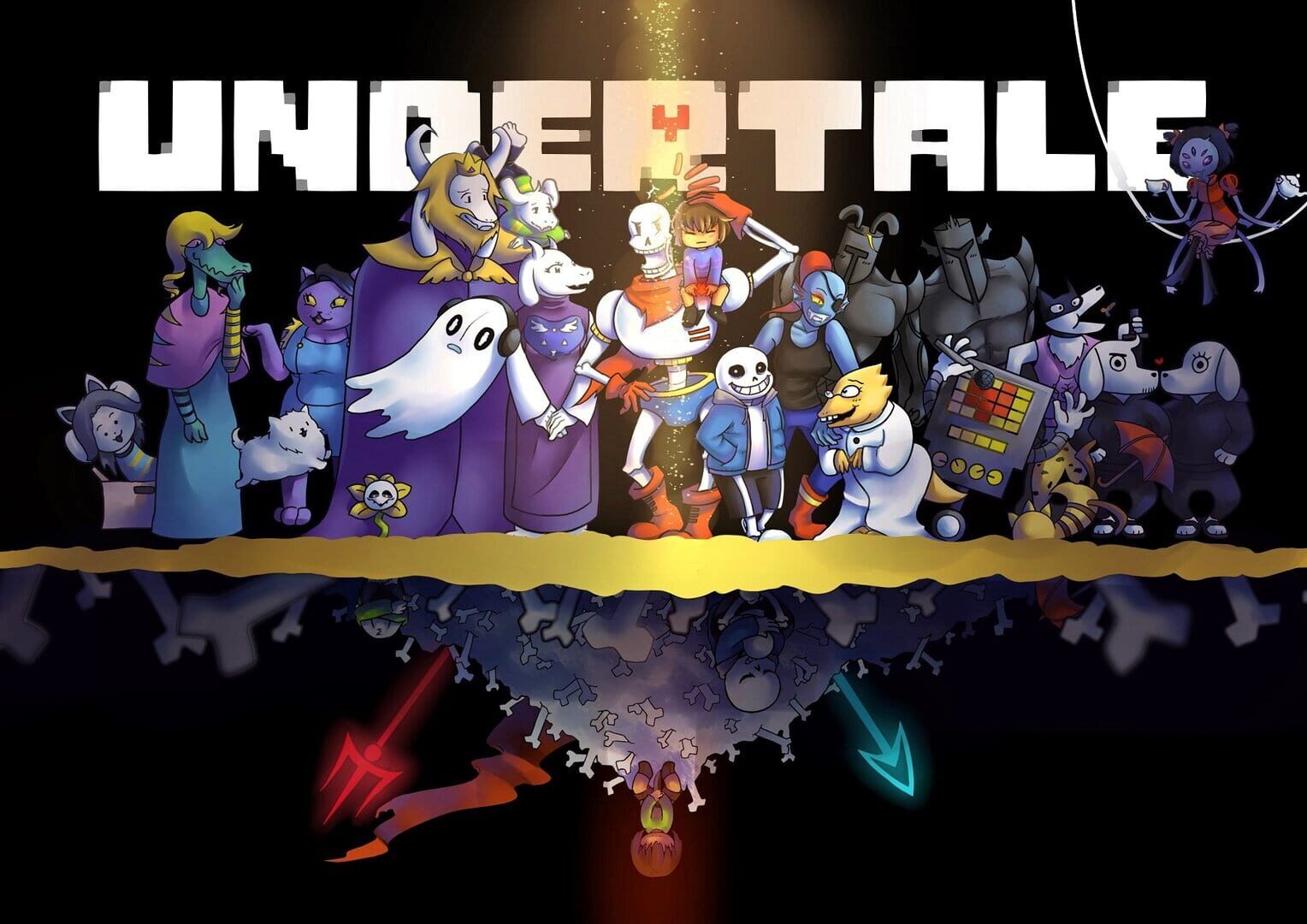
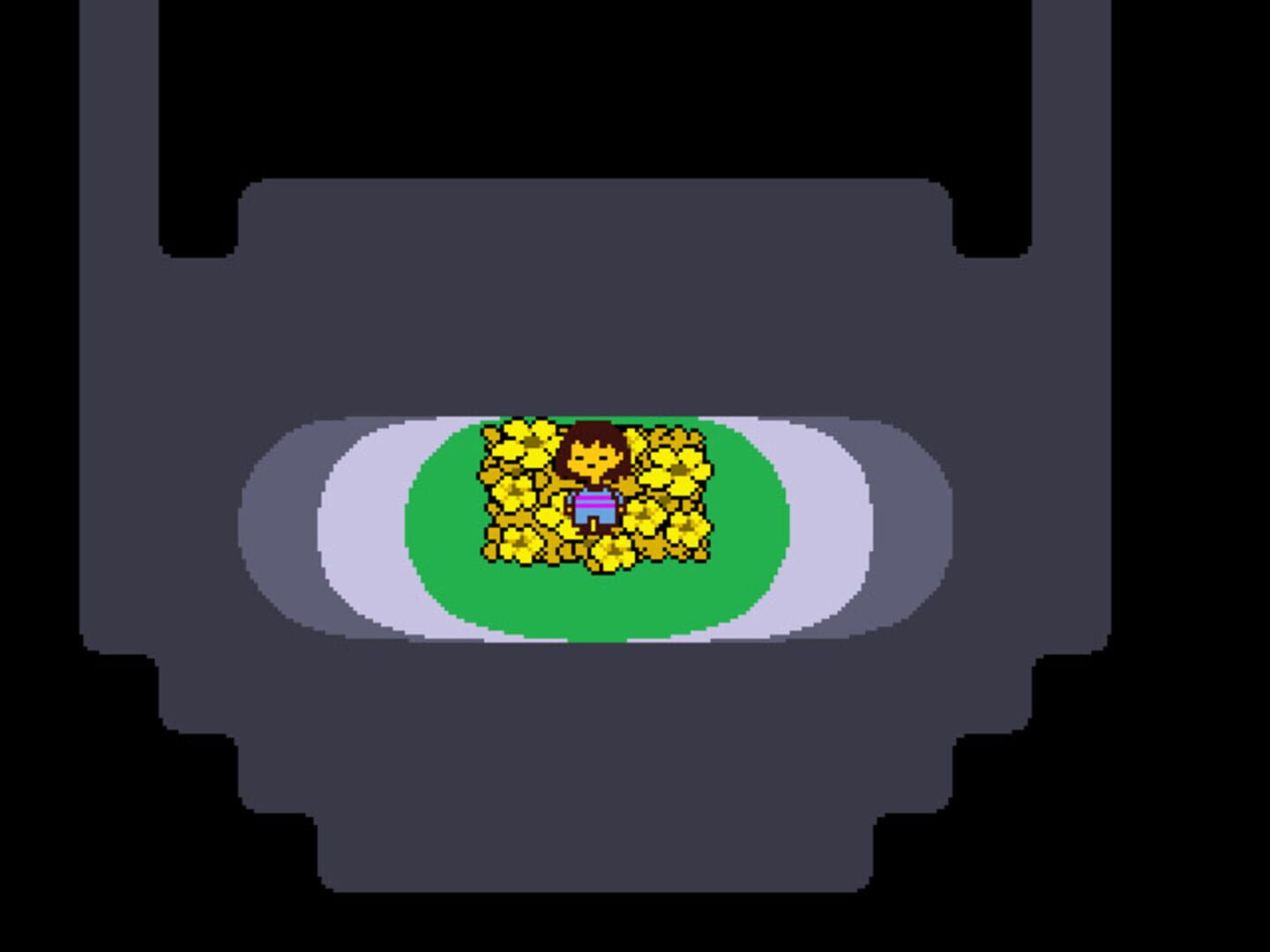
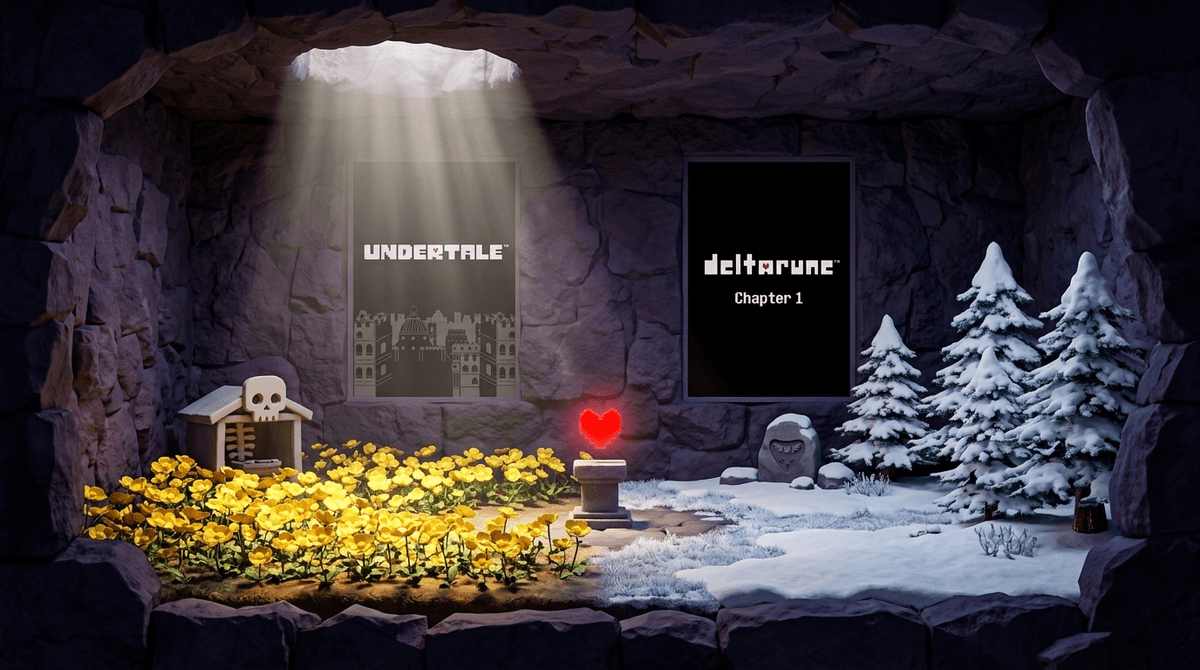
If your kid is asking about Undertale in 2026, it’s because the game has officially reached "classic" status. It looks like something you would have played on a dusty NES in 1988, but the writing is more sophisticated than 90% of the triple-A blockbusters released last year. It’s the definitive example of how indie games that changed everything don't need 4K graphics to leave a permanent mark on a kid's psyche.
The core loop is a bait-and-switch. It starts as a quirky RPG where you dodge bullets in a little box, but it quickly turns into a deep-dive into morality and ethics in gaming. Most games treat enemies like pinatas full of gold; Undertale treats them like people with moms, hobbies, and social anxiety.
The game that remembers everything
The most striking thing about Undertale is its memory. This is where the "meta" elements come in, and it’s why we recommend it as a prime example of when to introduce meta-fiction to kids. If your child kills a major character, feels bad, and reloads their save file to "undo" the mistake, the game will actually call them out on it. A character might remark that you look like you’ve seen a ghost, or that they feel like they know you from somewhere else.
This creates a level of accountability that is rare in digital spaces. It forces a kid to realize that their actions have weight, even if they try to hit the "reset" button. It’s brilliant, but it can also be a little haunting for more sensitive players who aren't used to a software program "judging" their character.
Don't ignore the "Genocide" friction
You'll hear the community talk about three "routes": Pacifist, Neutral, and Genocide. The Pacifist route is a heartwarming comedy. The Genocide route, however, is a deliberate exercise in misery.
Tobyfox designed the Genocide route to be boring, difficult, and emotionally draining. The upbeat music is replaced by a slow, distorted drone. The towns are empty because everyone has fled. The bosses become unfairly hard. It’s a fascinating piece of art because it actively tries to make the player stop playing. If you see your kid grinding for hours to kill every single monster in an area, they are engaging with a very dark deconstruction of gaming tropes. It’s worth asking them why they feel the need to see that ending, especially since the game makes it clear it won't be "fun."
A 200-page novel in disguise
Despite the "bullet hell" combat, this is a text-heavy experience. There is no voice acting. If your kid is flying through this, they are doing a massive amount of reading. We often look at gaming dialogue vs. chapter books as a trade-off, but here, the dialogue is the draw. The humor relies on puns, subverting expectations, and wordplay.
If your kid finishes Undertale and is looking for that next emotional high, it’s a perfect bridge to other story-driven games for middle schoolers. It proves that games can be more than just reflex tests—they can be mirrors that show us who we are based on how we treat the "monsters" in our way.