

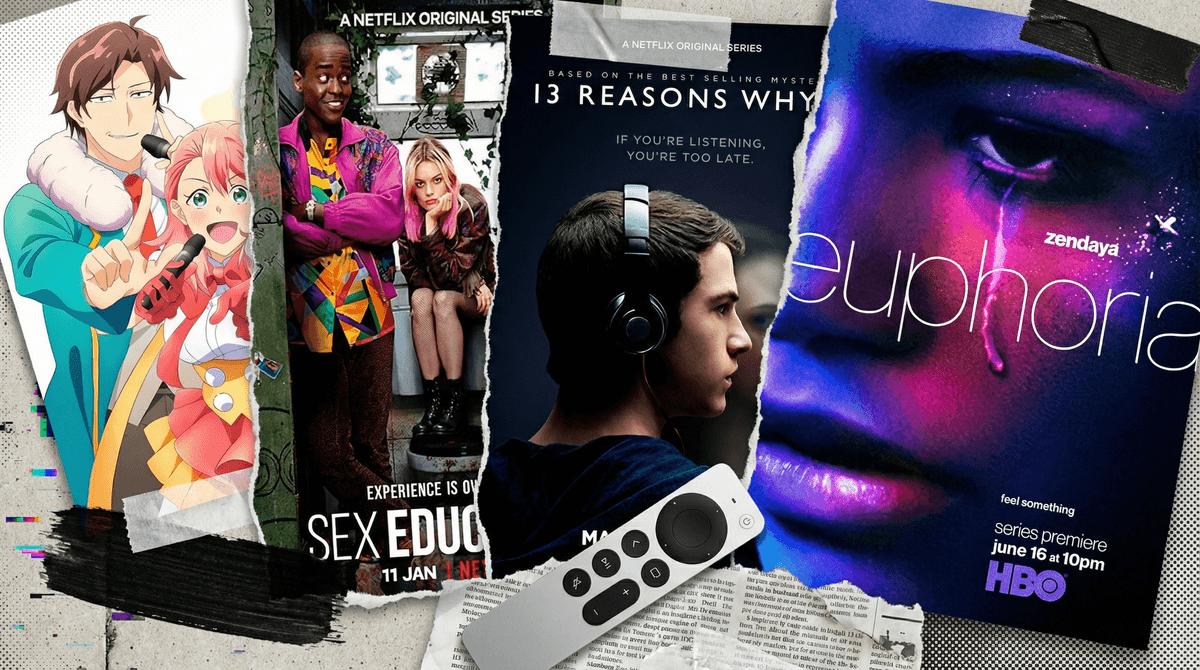
Let's be real: teen TV has always pushed boundaries. But the shows teens are watching now? They make Dawson's Creek look like Sesame Street. We're talking Euphoria, 13 Reasons Why, Sex Education, The Idol, and newer series like Heartbreak High that tackle everything from addiction and sexual assault to mental health crises and graphic violence.
These shows are explicitly designed for mature audiences but are being consumed by teens (and pre-teens) at alarming rates. The content isn't just edgy—it's often genuinely disturbing, featuring full-frontal nudity, graphic drug use, sexual violence, and suicide depictions that even mental health professionals have criticized.
Screenwise Parents
See allHere's the uncomfortable truth: your 14-year-old probably knows about these shows. Their friends are watching them. And "everyone else's parents let them" is absolutely a conversation you'll have.
Teens aren't watching these shows to upset you (mostly). They're watching because:
They feel seen. Shows like Euphoria tackle real issues teens face—anxiety, identity, peer pressure, sexuality—without the after-school-special treatment. The characters feel authentic, even when the situations are extreme.
They're visually stunning. These aren't cheaply made shows. The cinematography, music, and production values rival prestige cinema. They're genuinely well-crafted pieces of media.
FOMO is real. When a show becomes part of teen social currency, not watching it means being left out of conversations. The memes, the references, the Monday morning dissections—it all matters in teen social dynamics.
They want to feel grown up. Watching "adult" content is a rite of passage. It always has been. The difference is that today's controversial content is way more graphic than anything previous generations snuck past their parents.
Let's not sugarcoat this: some of these shows are genuinely problematic, even for older teens.
13 Reasons Why was so concerning that multiple studies found correlations between its release and increased suicide rates among teens. The show graphically depicted suicide methods in a way mental health experts universally condemned. Netflix eventually removed the scene, but not before millions of teens watched it.
Euphoria features more penises per episode than a urology textbook and depicts drug use with such cinematic beauty that addiction counselors worry about glamorization. Yes, it's trying to show the darkness of addiction, but the aesthetic is... a lot.
The Idol was so gratuitously sexual and poorly executed that even HBO's target audience said "this is too much." It's basically unwatchable, and not in a "challenging art" way—in a "why does this exist" way.
The research is clear: exposure to graphic content affects teen brains differently than adult brains. Their prefrontal cortex (the part that handles impulse control and consequence evaluation) isn't fully developed until their mid-20s. They're more susceptible to normalization of risky behaviors and less able to contextualize extreme content.
Here's a more nuanced framework:
Ages 13-14: Hard pass on most controversial teen TV. If they're begging to watch something, preview it yourself first. Shows like Heartstopper or Never Have I Ever tackle teen issues without the graphic content.
Ages 15-16: This is where it gets complicated. Some mature 15-year-olds can handle Sex Education (which, despite the title, is actually quite thoughtful about consent and relationships). But Euphoria? Still no. The graphic drug use and sexual content isn't educational—it's exploitative.
Ages 17-18: At this point, you're preparing them for adult life, which includes encountering difficult content. But "allowing" doesn't mean "without conversation." If your 17-year-old wants to watch Euphoria, watch it together or have serious check-ins about what they're seeing.
The real question isn't just age—it's your specific teen. Have they dealt with mental health issues? Addiction in the family? Sexual trauma? These factors matter way more than whether they're 15 or 16.
They're probably already watching it. Teens are incredibly resourceful. If you say no, they'll watch at a friend's house, on their phone, or using a VPN. The question isn't whether to "allow" it—it's how to engage with it.
"Everyone's watching it" is both true and irrelevant. Yes, these shows are popular. But popularity doesn't equal appropriate. You're allowed to have different standards than other families. Learn more about navigating peer pressure around media .
.
Co-viewing is powerful but uncomfortable. Watching Sex Education with your teen will be awkward. Do it anyway. The conversations that come from shared viewing are invaluable. That said, you don't need to watch graphic sexual content with your kid to have those conversations—use your judgment.
Not all controversial shows are created equal. Sex Education and Euphoria both deal with teen sexuality, but they're wildly different in execution and intent. Do your homework. Read reviews. Watch episodes yourself.
The absence of conversation is more dangerous than the content. If your teen is going to encounter this content (and they will, eventually), wouldn't you rather be part of the conversation? Silence doesn't protect them—it just means they'll process it alone or with equally uninformed peers.
1. Preview before deciding. Don't rely on ratings alone. Watch the first episode yourself. Check Common Sense Media parent reviews. Ask other parents you trust.
2. Explain your reasoning. "Because I said so" doesn't work with teens. If you're saying no to Euphoria, explain that it's not about trust—it's about the graphic nature of the content and your concerns about normalization of dangerous behaviors.
3. Offer alternatives. If they want to watch something edgy, suggest shows that tackle similar themes with less graphic content. The Summer I Turned Pretty, Outer Banks, or Heartstopper all feel teen-centric without the trauma porn.
4. Create space for conversation. If you do allow a controversial show, check in regularly. "What did you think of that episode?" "Did anything make you uncomfortable?" "Do you think that's realistic?"
5. Know when to hold the line. Some content is genuinely harmful. If your gut says no, trust it. You're the parent. They'll survive not watching a TV show.
Controversial teen TV isn't going anywhere. These shows exist because there's a market for them, and that market includes your teen. The goal isn't to shield them from every difficult thing—it's to help them develop the critical thinking skills to engage with media thoughtfully.
Your job isn't to be the cool parent who lets them watch everything. It's to be the intentional parent who makes informed decisions based on your specific kid, your family values, and the actual content of these shows.
Some of these shows are genuinely well-made and tackle important issues. Others are exploitative garbage dressed up as "prestige TV." Learn the difference. Trust your instincts. And remember: saying no to Euphoria doesn't make you out of touch—it makes you a parent who actually watched Euphoria.
- Preview before you decide: Watch the first episode of any show your teen is asking about
- Check reviews: Look at both Common Sense Media parent reviews and teen reviews to understand the gap
- Have the conversation: Ask your teen what they find appealing about the show—their answer will tell you a lot
- Explore alternatives: Check out our guide to teen shows that don't require trauma therapy afterward
- Set up regular check-ins: If you do allow controversial content, make conversation about it non-negotiable
Need help navigating a specific show? Get guidance based on your teen's age and maturity level.