The "Chaotic Protagonist" Energy
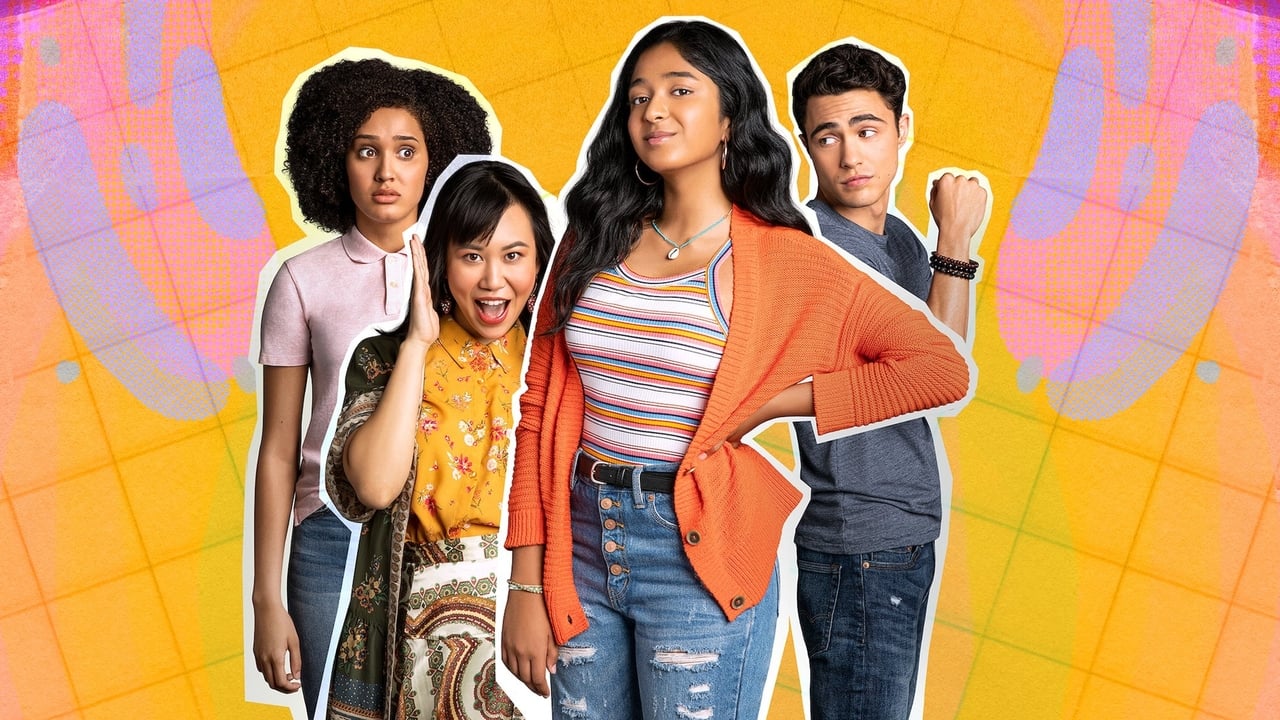
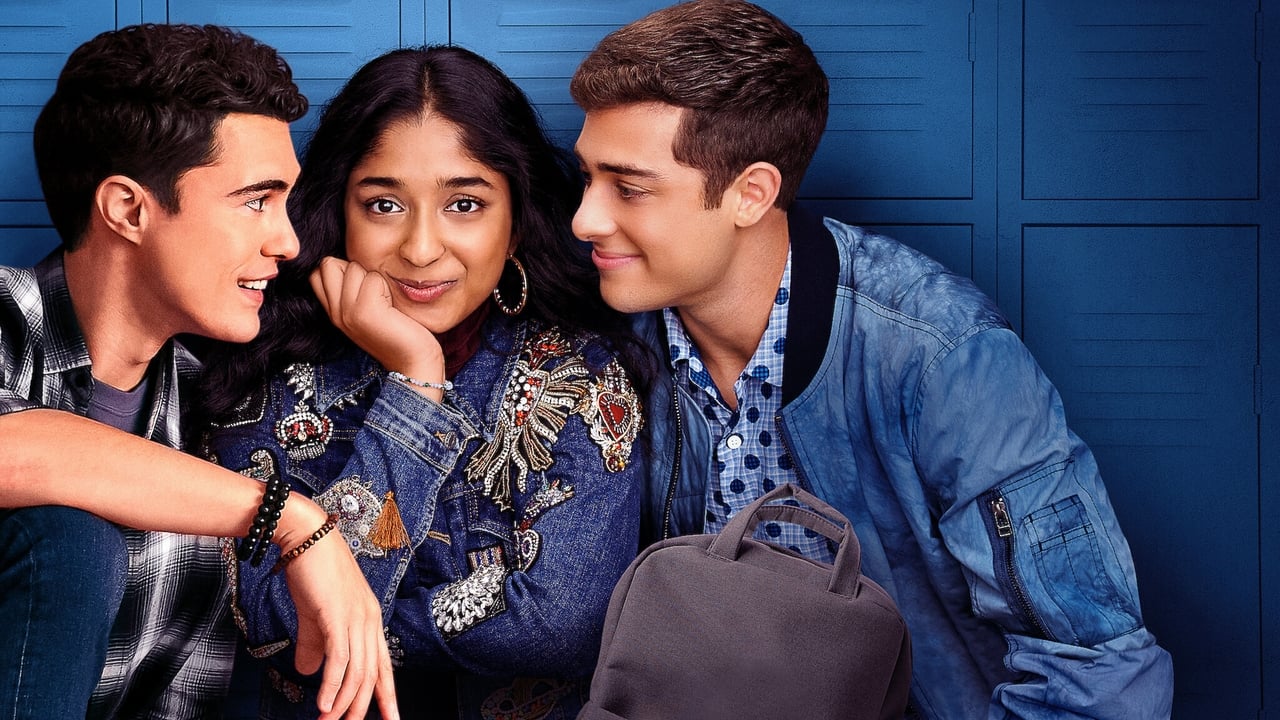
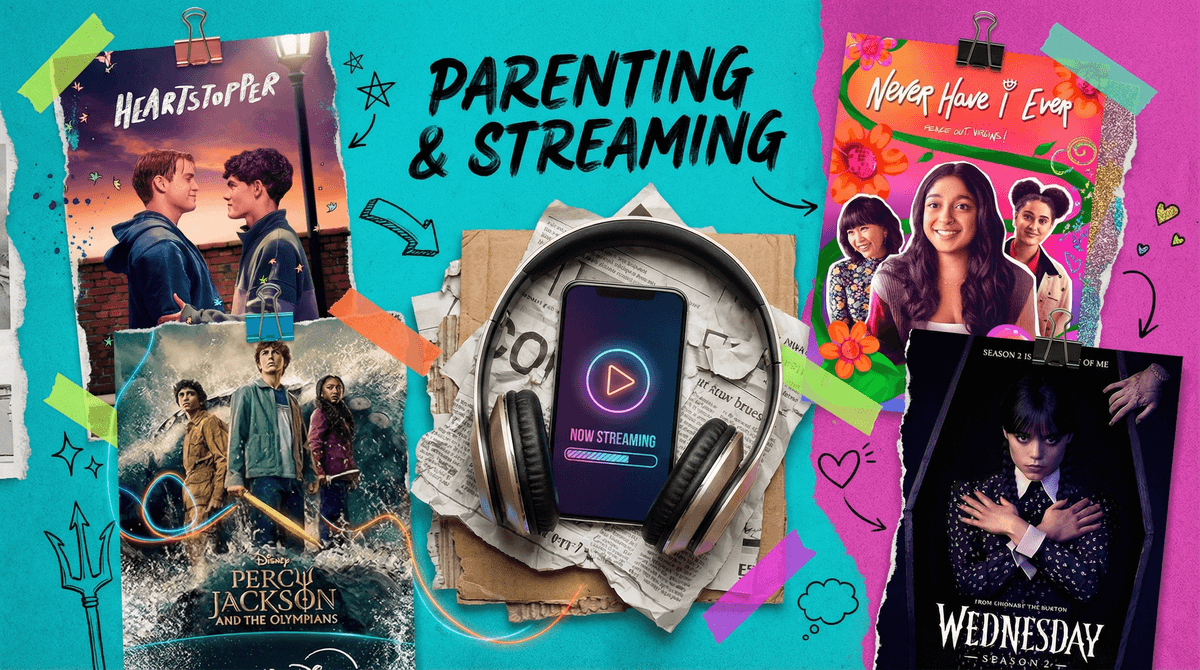
Most teen shows give you a hero to root for. Never Have I Ever gives you Devi, who is frequently infuriating. She lies to her mom, ditches her friends when a cute guy looks her way, and has a temper that can be hard to watch. But that’s the point. The show isn't trying to sell you a "strong female lead" who always makes the right choice; it’s showing a girl drowning in grief and hormonal chaos.
If your kid is used to the polished, "perfect" characters in some TV Shows That Actually Build Up Teen Girls, Devi will be a shock to the system. She’s a "messy" character in the best way. The value here isn't in her being a role model—it’s in the consequences. When she acts like a jerk, the show calls her out. Her friends don't just forgive her instantly, and her therapist doesn't let her off the hook. It's a great setup for Teen Shows That Start Conversations because you can actually ask your teen, "Why did she just do that?" without it feeling like a lecture.
Authentic Nuance Over Generic Diversity
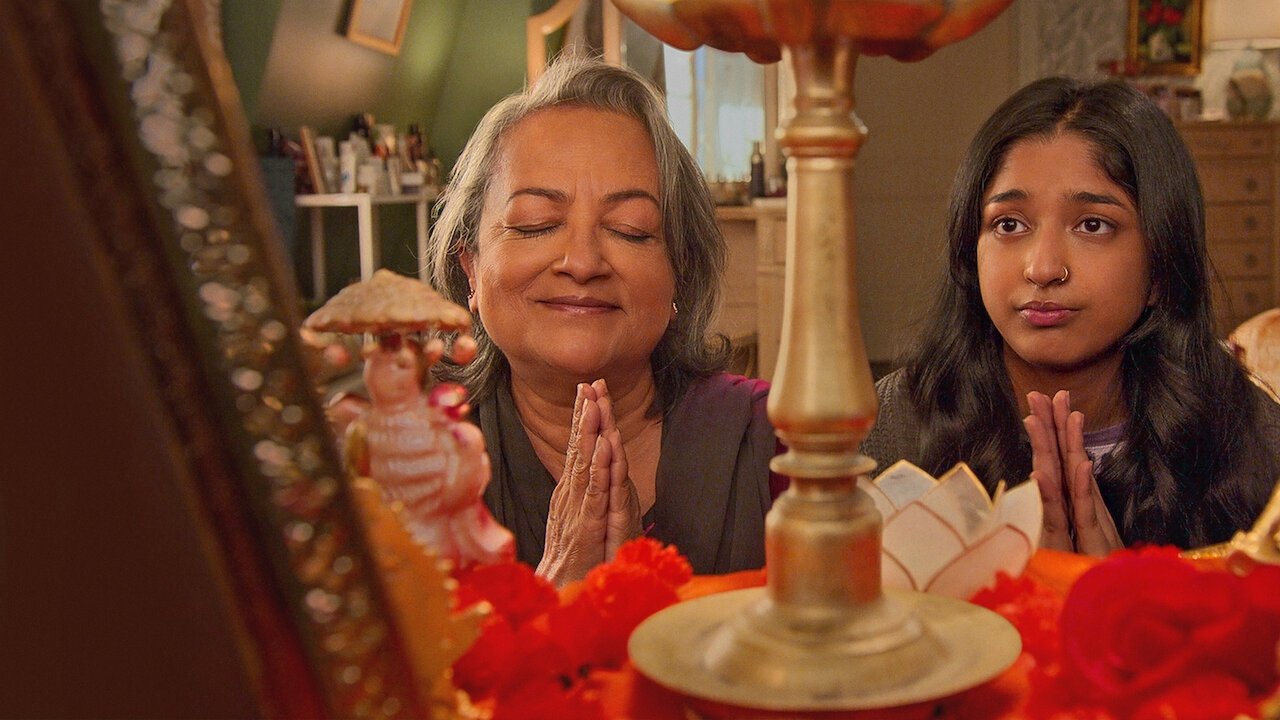
We’ve seen plenty of shows that "add diversity" by just swapping a few actors. This isn't that. The show leans hard into the specific friction of being a first-generation Indian-American. It tackles the code-switching—acting one way at a cultural festival and another at a high school party—with a level of detail that feels lived-in.
It’s a standout example of Asian-American Stories because it doesn't treat the culture as a punchline or a tragedy. It’s just the water she swims in. For families looking for TV with Diverse Characters, the win here is seeing a girl who gets to be the lead of her own rom-com, complete with love triangles and embarrassing social blunders, while dealing with very specific immigrant family expectations.
Navigating the "Mature" Moments
While the critics love it (those 90+ scores on Rotten Tomatoes aren't a fluke), the TV-14 rating is heavy. The sexual dialogue is fast, frequent, and very modern. They talk about "losing it," social media "thirst traps," and dating status with a bluntness that might make you blink.
The drinking is also a factor. It’s portrayed as the standard "high school party" experience, which can be a lot for younger viewers. If you're worried about how media influences their views on alcohol, check out our guide on Underage Drinking on TV. The show doesn't necessarily glamorize it, but it treats it as an inevitable part of the social ladder. If your teen is already in the world of high school parties, they’ll find it relatable. If they’re still in middle school, the social pressure might feel like a horror movie.
Why It Works for Parents Too
The decision to have a famously hot-headed athlete narrate the inner thoughts of a teenage girl is a masterstroke. It provides a weirdly perfect bridge for parents. The commentary adds a layer of dry, adult humor that keeps the show from feeling too "tweeny." It highlights the connection between the narrator's legendary temper and Devi’s own outbursts, making her anger feel like a personality trait rather than just a plot device. It’s one of the reasons this lands on our list of 8 Best Drama Series for Teens That Parents Will Love Too. You aren't just enduring this for your kid; you're actually laughing at the same jokes.