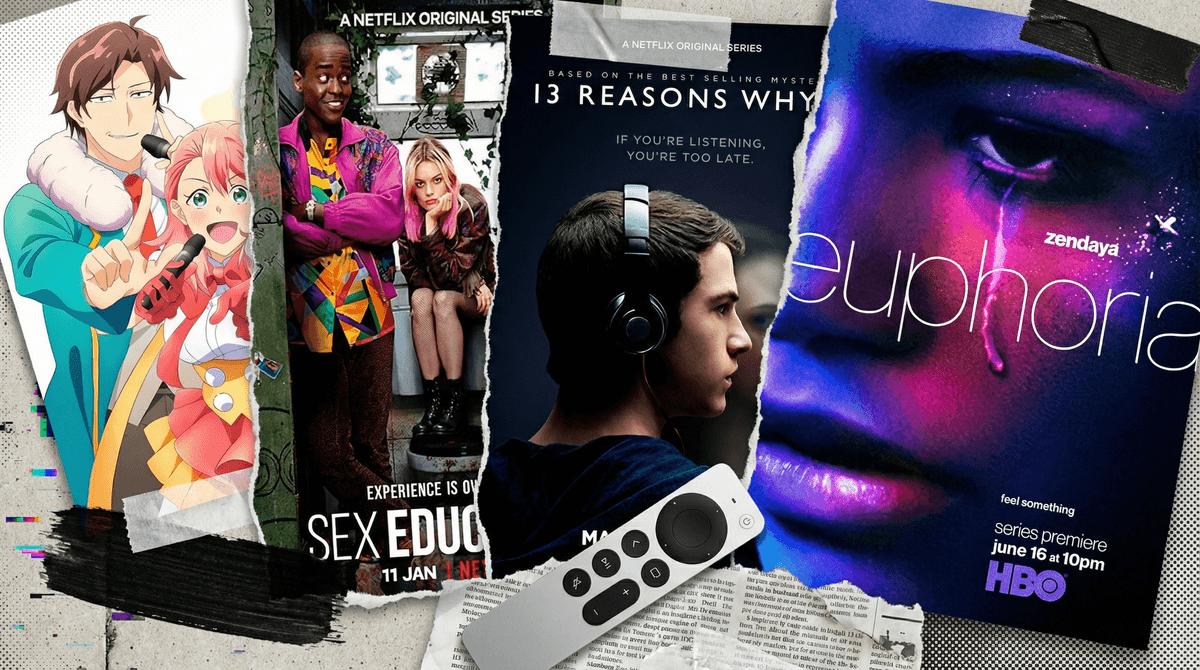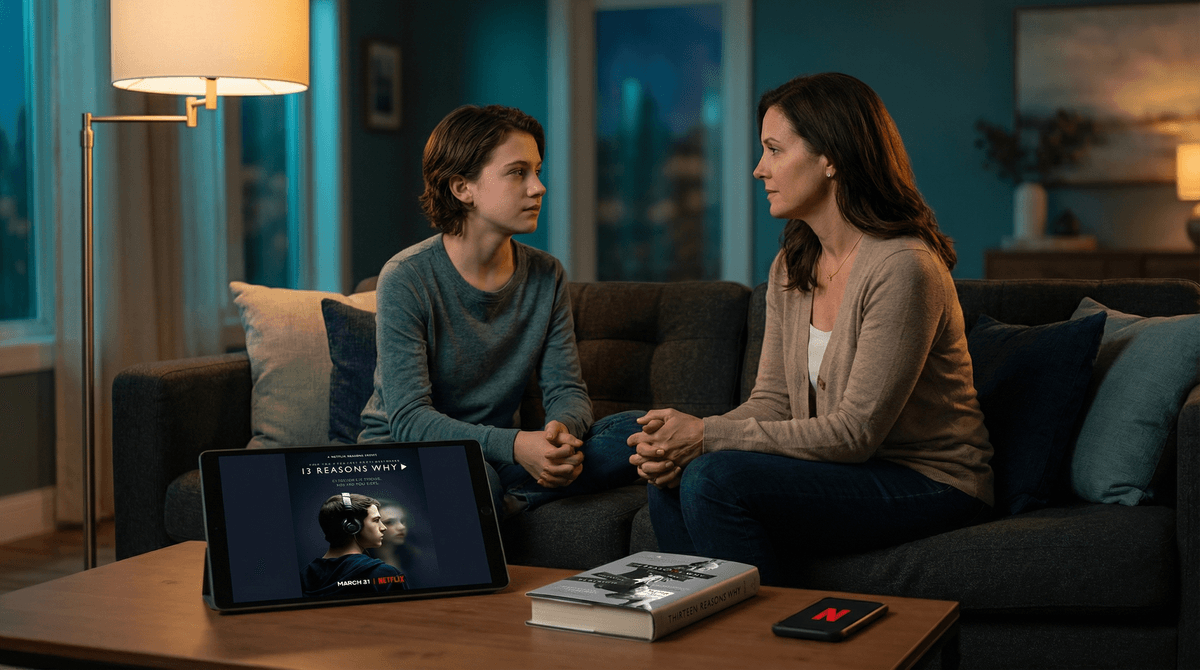


Let's be direct: this show was controversial for good reason. While it aimed to start conversations about teen suicide and mental health, it did so in ways that mental health professionals widely condemned. The graphic depictions, the mystery-box framing that makes suicide seem like a puzzle to solve, and the revenge narrative all work against responsible mental health messaging.
Research published after Season 1 found statistically significant increases in teen suicide rates. Netflix eventually removed the graphic suicide scene, but the damage was done. The show treats Hannah's death as a catalyst for drama rather than a tragedy that could have been prevented with proper intervention.
If you're looking to have conversations with teens about mental health, bullying, or suicide prevention, there are far better resources. Organizations like the American Foundation for Suicide Prevention and the JED Foundation offer evidence-based materials designed to help rather than harm.
Season 1 has some narrative pull—hence the 7.4 IMDb rating—but critics were lukewarm (35% on Rotten Tomatoes) and later seasons reportedly nosedive in quality. This isn't just a matter of being too mature for younger viewers; it's genuinely questionable whether this should be recommended for any teen audience given the research and expert consensus.
If your older teen has already watched it or wants to, approach it as an opportunity to discuss what mental health support actually looks like, why the show's approach was problematic, and how to recognize when someone needs help. But as a proactive recommendation? Hard pass.