

TL;DR
K-pop is a vibrant, high-energy world of music and dance that offers kids a deep sense of community. While the music itself is generally clean, the "stan" culture surrounding it can be intense. Watch out for toxic fanwars on X, the financial drain of photocard collecting, and the psychological pull of parasocial relationships on apps like Weverse.
Top Recommendations:
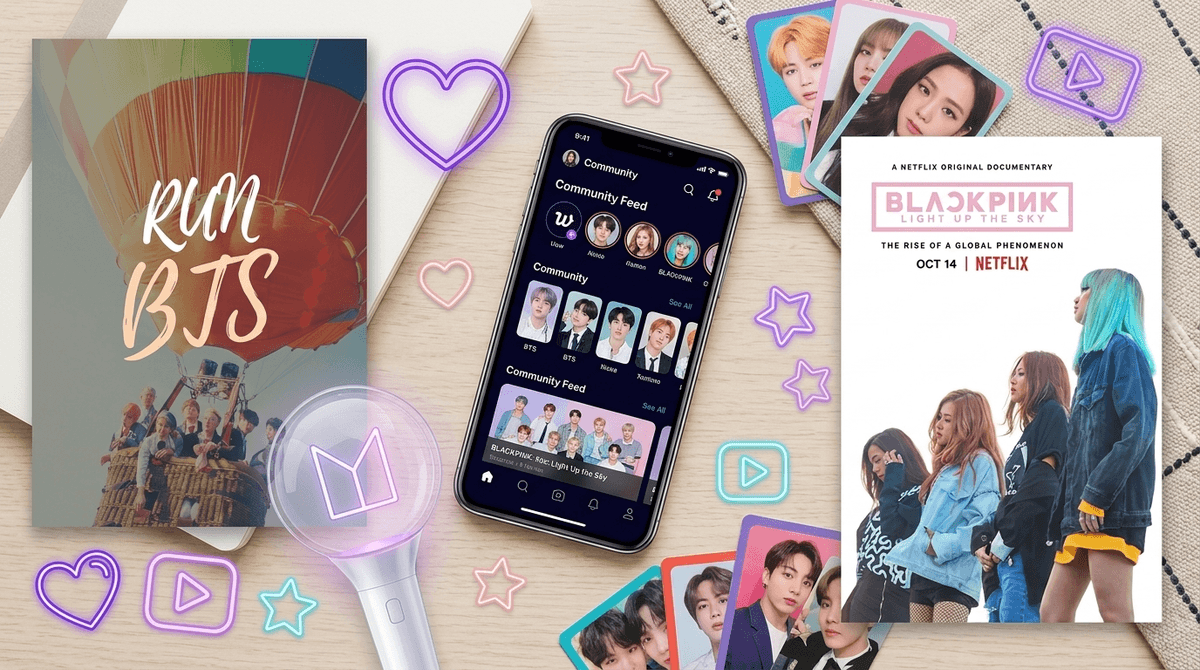
- Best Variety Show: Run BTS
- Best Documentary: Blackpink: Light Up the Sky
- Best for Dance: TikTok (with restricted mode)
- Essential Safety Guide: How to handle toxic fandoms
If you’ve recently heard your child scream because someone named "Jungkook" posted a selfie, or if your living room has been taken over by synchronized dance rehearsals, welcome to the K-pop era.
For the uninitiated, K-pop (Korean Pop) isn't just a genre of music; it’s an entire ecosystem of content, fashion, and social interaction. It’s also one of the most powerful digital subcultures on the planet. According to recent Screenwise community data, about 42% of middle school girls and 15% of middle school boys engage with K-pop content daily, primarily through YouTube and TikTok.
It’s mostly wholesome fun, but like any high-intensity hobby, it has some dark corners that require a parent’s radar.
Before we talk safety, you need to know the lingo so you don't look like a "local" (a K-pop fan term for someone who isn't in the loop).
- The Bias: Your kid’s absolute favorite member of a group.
- The Stan: A dedicated fan. (Derived from Eminem’s song "Stan," it used to mean "stalker fan," but now it just means "super fan.")
- The Comeback: When a group releases new music. This is a high-stress, high-spending period for fans.
- The Lightstick: A $60+ custom glowing wand used at concerts. Each group has their own.
- Photocards (PCs): Small trading cards included in albums. This is the "baseball cards" of Gen Z, and it’s where the money disappears.
K-pop fills a social void. In a world where kids often feel isolated, being an "ARMY" (BTS fans) or a "Blink" (Blackpink fans) gives them an instant global family. The production value is astronomical, the talent is undeniable, and the "idols" are trained to be incredibly polite, hard-working role models.
Compared to the often-gritty lyrics of Western pop, K-pop is frequently much "cleaner," focusing on themes of self-love, friendship, and chasing dreams.
This is the biggest shift in modern fandom. Apps like Weverse allow idols to post directly to fans, and Bubble (a paid subscription service) sends messages to your kid’s phone that look like a private text from the idol.
The Risk: It creates a "parasocial relationship" where your child feels like they have a genuine, two-way friendship with a celebrity. For a lonely 13-year-old, this can become an emotional crutch that makes them prioritize "supporting" their idol over real-life friendships or homework.
2. The Financial "Gacha" Loop
K-pop marketing is genius and, frankly, a bit predatory. They sell multiple versions of the same album, each with different random photocards. If your kid wants their "bias," they might buy five copies of the same CD.
3. Toxic "Fanwars" on X (Twitter)
If you want to see the worst of humanity, look at a K-pop fanwar. Fans of different groups will "fight" over who is better, often descending into doxxing, body-shaming, and death threats. It is high-octane "brain rot" and can be incredibly damaging to a kid's mental health.
Check out our guide on setting boundaries for social media fandoms
This is the gold standard for K-pop variety content. It’s essentially the members of BTS doing silly challenges—like cooking, playing dodgeball, or visiting a theme park. It’s wholesome, hilarious, and shows the "human" side of the idols. Ages: 8+
A great documentary that shows the grueling reality of the "trainee" system. It’s a good conversation starter about the pressure these young stars face and the hard work behind the glamour. Ages: 10+
This is the central hub for most groups. It’s a mix of a fan forum and an official shop. It’s generally safer than X because it’s moderated, but it’s also where the pressure to spend money is highest. Ages: 13+
These are rhythm games (like Guitar Hero for your phone) featuring K-pop songs. They are a fun, active way to engage with the music without the social drama of the fan forums. Ages: 9+
Elementary School (Ages 7-11)
At this age, it’s all about the music and the dancing.
Middle School (Ages 12-14)
This is the peak "obsessive" phase.
- The Focus: Building community and collecting merch.
- The Guardrail: This is when the financial talk needs to happen. Set a "Comeback Budget." If they want the new album, they need to save for it. Also, discuss the reality of parasocial relationships. "He’s a performer, not your boyfriend," sounds harsh, but it’s a necessary grounding wire.
High School (Ages 15-18)
- The Focus: Creative expression (fan art, video editing, event organizing).
- The Guardrail: Media literacy. Help them recognize when a fandom is becoming toxic or when their algorithm is feeding them nothing but K-pop drama. Encourage them to find "multi-stan" communities that celebrate all groups rather than participating in fanwars.
Get tips on setting a budget for K-pop merch
There is a specific subset of fans called "sasaengs"—essentially stalkers. They track idols to hotels, buy their flight information, and invade their privacy.
While your kid is likely just a normal fan, the "sasaeng" culture can normalize stalking behaviors. If you see your child spending hours trying to find out what hotel a group is staying at or obsessing over "leaked" private photos, it’s time for a serious talk about boundaries and consent. Even celebrities deserve a private life.
Don't be the parent who rolls their eyes and says, "They all look the same" or "You can't even understand what they're saying." That’s a one-way ticket to your kid never sharing their interests with you again.
Instead, try these:
- "Who is your bias in this group? What do you like about their personality?"
- "The choreography in this video is insane. How long does it take them to learn that?"
- "I noticed a lot of drama on your feed today about [Group Name]. Are people being mean to each other? How are you feeling about it?"
K-pop is a massive, colorful, and generally positive world, but it’s designed to be all-consuming. Your job isn't to stop the music, but to make sure the music doesn't drown out the rest of their life. Keep the social media accounts public (to you), set a hard budget on the "random" merch, and maybe—just maybe—let them teach you a dance move or two. It’s good for the cardio, if nothing else.