Our reviews and ratings are 100% unbiased. Screenwise is a Bookshop.org affiliate and an Amazon Associate, so if you buy a book through one of our links, we may earn a commission. Bookshop.org purchases also support independent bookstores.
Screenwise Verdict
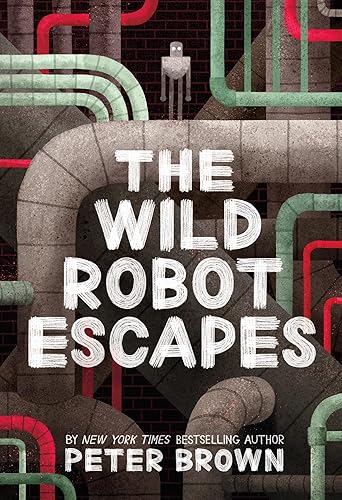
This is what a sequel should be—expanding the world and stakes while keeping what made the original special. Peter Brown nails the balance between adventure and heart, giving kids a robot protagonist who's genuinely learning what it means to belong.
Parent reviews are glowing, and for good reason. One mom watched her son cry happy tears for the first time over a book. That's the kind of emotional intelligence-building we want. The nature vs. technology theme feels especially relevant in 2025 without being heavy-handed.
The short chapters and illustrations make it accessible for emerging readers while the themes give more advanced kids something to chew on. At 4.8 stars on Amazon with enthusiastic parent feedback, this is a rare sequel that lives up to the hype. Solid choice for bedtime reading or independent reading time.
Age Fit
Officially grades 2-5 (ages 7-10), but works great as a read-aloud for younger kids around 5-6. Upper elementary kids will still enjoy it, especially if they loved the first book. The emotional depth and themes have staying power beyond typical early chapter books.
WISE Breakdown
Wholesome
92
Parent reviews confirm emotionally healthy storytelling that 'pulls heartstrings' in positive ways. Themes of kindness, family, and cooperation are central. One parent noted their son shed a tear 'in a good way'—exactly the kind of emotional depth that builds empathy without being manipulative or overwhelming.
Imaginative
88
The premise—a robot learning to survive in both wild and civilized worlds—is genuinely original and sparks questions about nature vs. technology, adaptation, and belonging. Short chapters with illustrations keep engagement high. The sequel nature means kids are already invested in Roz's journey, building on established world-building.
Safe
95
Books are inherently low-risk, and this one has zero red flags. Parent reviews mention robot parts being 'taken away' as the only potentially concerning content, which is mild mechanical peril, not violence. No surprise trauma, death, or inappropriate content. Rated for grades 2-5 but suitable even younger when read aloud.
Enriching
90
Multiple reviews highlight the book's celebration of the natural world and exploration of what it means to belong. Themes of adaptation, cooperation, and finding home offer meaningful takeaways. The robot-learning-humanity angle provides rich ground for discussing emotions, relationships, and environmental stewardship. High Amazon rating (4.8) suggests strong reader satisfaction.
Parent Info
✓
Why It Might Be Great
Genuinely engaging storytelling that had one parent's son begging to keep reading and even shedding happy tears
Explores meaningful themes of belonging, adaptation, and the tension between nature and technology without being preachy
Short chapters with illustrations make it accessible for reluctant readers while still offering depth
Strong 4.8 Amazon rating and enthusiastic parent reviews suggest this actually delivers on its promise
Perfect bridge between early chapter books and middle-grade novels—sophisticated ideas in digestible format
⚠
What to Watch For
Some mild robot peril (parts being removed/damaged) that might concern sensitive kids, though reviews suggest it's handled appropriately
Emotional moments that could bring tears—in a good way, but heads up if your kid isn't ready for feelings
Works best if you've read the first Wild Robot book, though not strictly required
Conversation Starters
"Roz has to choose between the island and the civilized world—have you ever felt torn between two places or groups of friends?"
"What do you think makes somewhere feel like 'home'? Is it the place or the people (or robots)?"
"If you were a robot learning about nature, what would surprise you most about animals or plants?"
"The book talks about nature vs. technology—do you think they have to be opposites, or can they work together?"