Our reviews and ratings are 100% unbiased. As an Amazon Associate, Screenwise earns from qualifying purchases, so if you buy a book or game through one of our links, we may earn a commission. We don't get any credit if you just Google it instead :)
Screenwise Verdict
This is what a family game should be: quick to learn, genuinely fun for mixed ages, and with enough strategy that adults aren't bored but kids aren't lost.
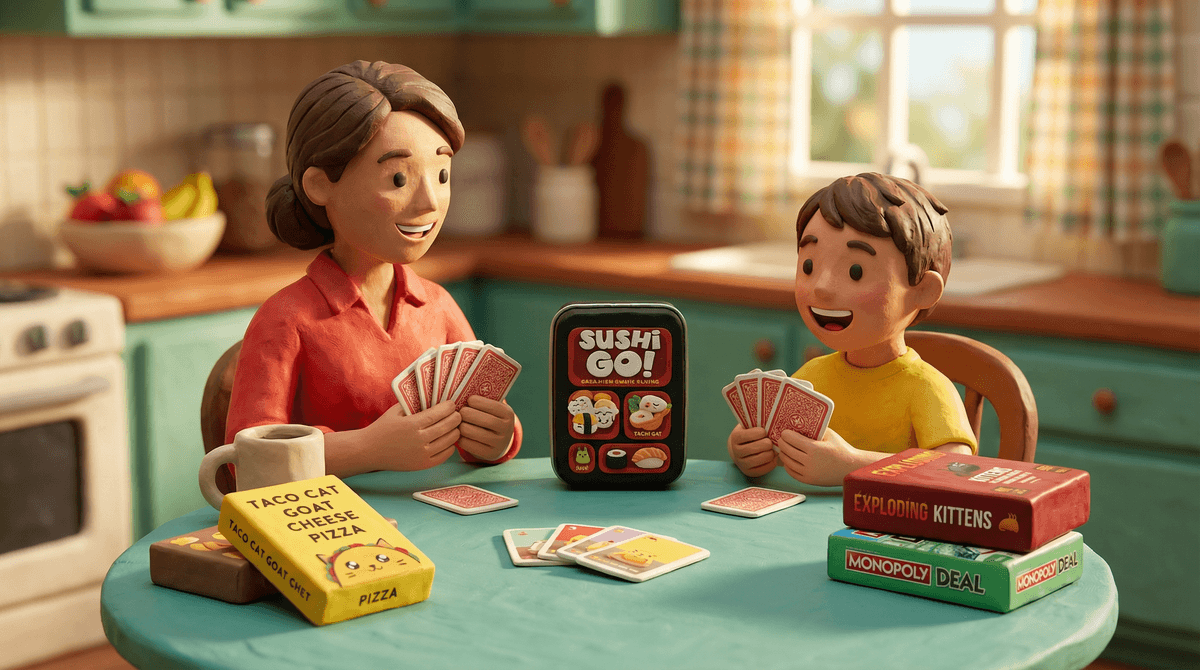
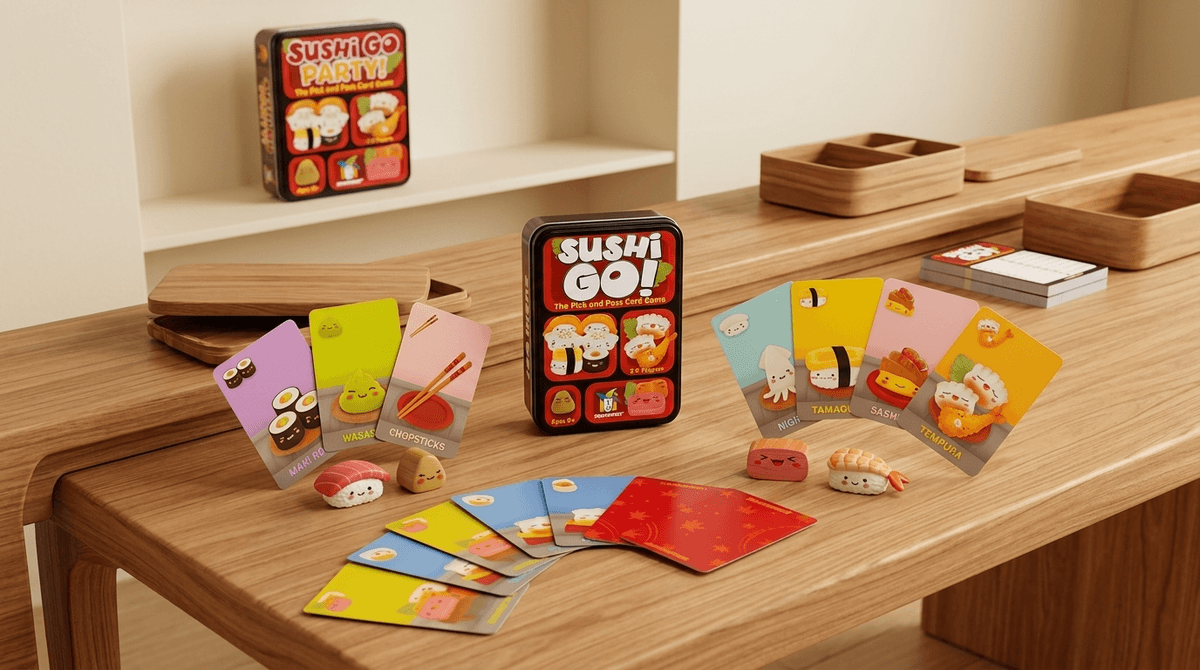
The drafting mechanic—everyone picks a card simultaneously, then passes their hand to the next player—is brilliant for keeping everyone engaged. No one's waiting. No one's getting picked on. You're just making the best choice you can with the sushi in front of you.
It won a pile of awards (including 2020 Gra Roku Best Party Game) for good reason. The variable setup means you're not playing the exact same game every time, and at 20 minutes, 'just one more round' never feels like a burden.
Is it going to change your life? No. But it's a rock-solid addition to any family game shelf, especially if you're trying to graduate from Uno but aren't ready for Catan-level commitment.
Sweet spot is 7-14 for regular play, though adults genuinely enjoy it too (73K BGG users own it, and they're not all parents). Below 7, kids can participate with coaching but might not grasp the strategic layer. Teens and adults will play it as a light filler game rather than the main event.
WISE Breakdown
Wholesome
92
Adorable kawaii art style with cheerful sushi characters creates a warm, inviting atmosphere. The game encourages social interaction and friendly competition without meanness—you're just picking cute food cards. The simultaneous selection mechanic means no one's stuck waiting forever, and the 20-minute play time keeps things from getting tedious or overly competitive. Multiple reviews highlight it works beautifully across ages and skill levels, bringing families together.
Imaginative
68
It's a drafting and set collection game with variable setup, so there's strategic thinking and planning involved. The card-passing mechanic requires reading other players and anticipating what they might want. However, it's not particularly creative or exploratory—you're working within a fixed system of rules and combos. The theming is charming but surface-level. It teaches forethought and multiplication (wasabi triples nigiri value) but doesn't invite open-ended creativity or storytelling.
Safe
98
About as safe as board games get. No mature themes, no problematic content, no gambling mechanics. The social dynamics are healthy—simultaneous selection means no one's ganging up on a single player, and the cute theme keeps things light. At 1.32 complexity weight, it's accessible without being frustrating. The only minor consideration is that competitive kids might get upset about losing, but that's true of any game and this one's short enough that 'one more round' is always an option.
Enriching
75
Teaches genuine strategic thinking: card counting, probability, set collection optimization, and reading opponents. The multiplication element (wasabi + nigiri) sneaks in math practice. Hand management and simultaneous action selection build decision-making skills under light time pressure. It's a legitimate introduction to drafting mechanics that appear in more complex games. That said, it's not deeply educational—it's primarily entertainment with some cognitive benefits. The 20-minute runtime and high replayability mean kids get repeated practice without it feeling like work.
Parent Info
✓
Why It Might Be Great
Gateway drug to card drafting—teaches legitimate strategy (set collection, card counting, reading opponents) without the complexity overload
The simultaneous selection means no one's phone-scrolling while waiting for their turn, and 20 minutes keeps it snappy enough for multiple rounds
Scales from 2-8 players beautifully, making it perfect for family game nights or when cousins visit
Cute kawaii art removes any intimidation factor—even non-gamers will pick this up in one round
Variable setup with different sushi cards means actual replayability, not just 'same game, different winner'
⚠
What to Watch For
Competitive kids might struggle with the 'someone else grabbed the card I wanted' dynamic, though the short play time helps
The 8+ age rating is legit—younger kids can play with help, but the strategic depth really clicks around 7-8 when they can think a turn or two ahead
If your family only plays cooperative games, this might feel cutthroat by comparison (though it's genuinely one of the gentler competitive games out there)
Conversation Starters
"Which sushi cards are you hoping to see next round? Why?"
"Did you notice what cards other people were collecting? How did that change your strategy?"
"If you could add a new sushi card to the game, what would it be and what would it do?"
"Was it better to go for lots of one type or try to get a little bit of everything?"