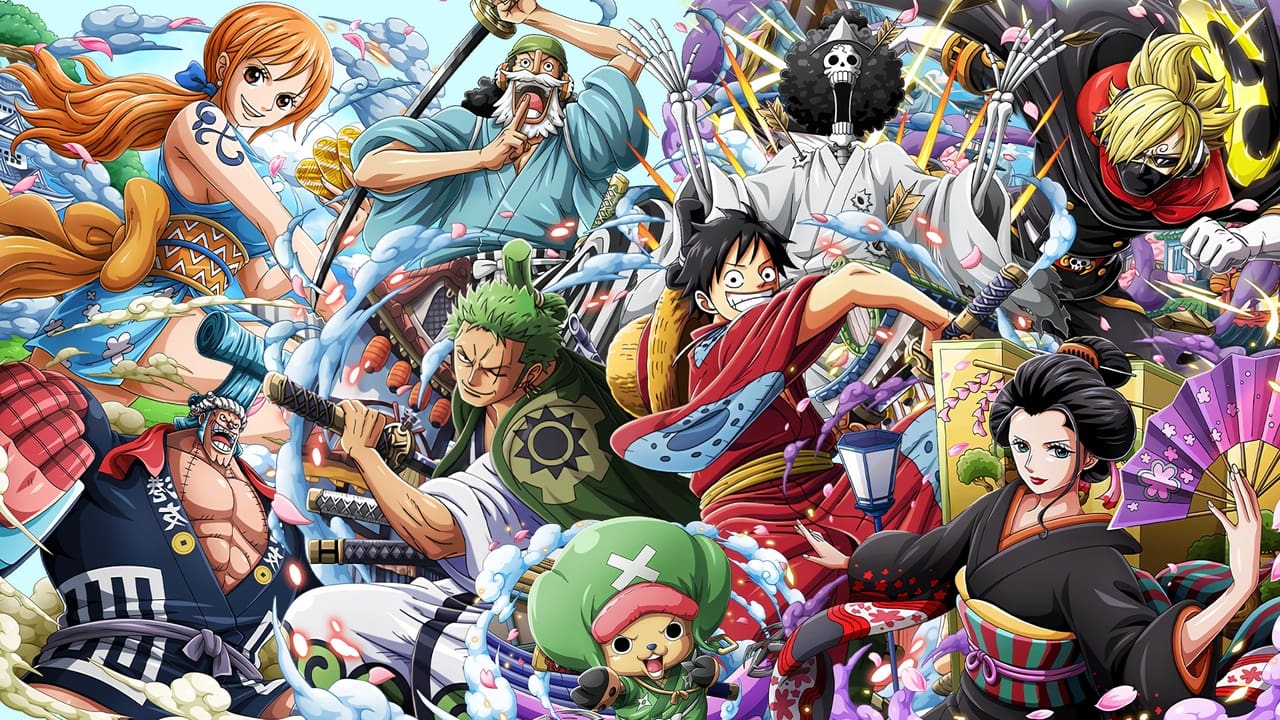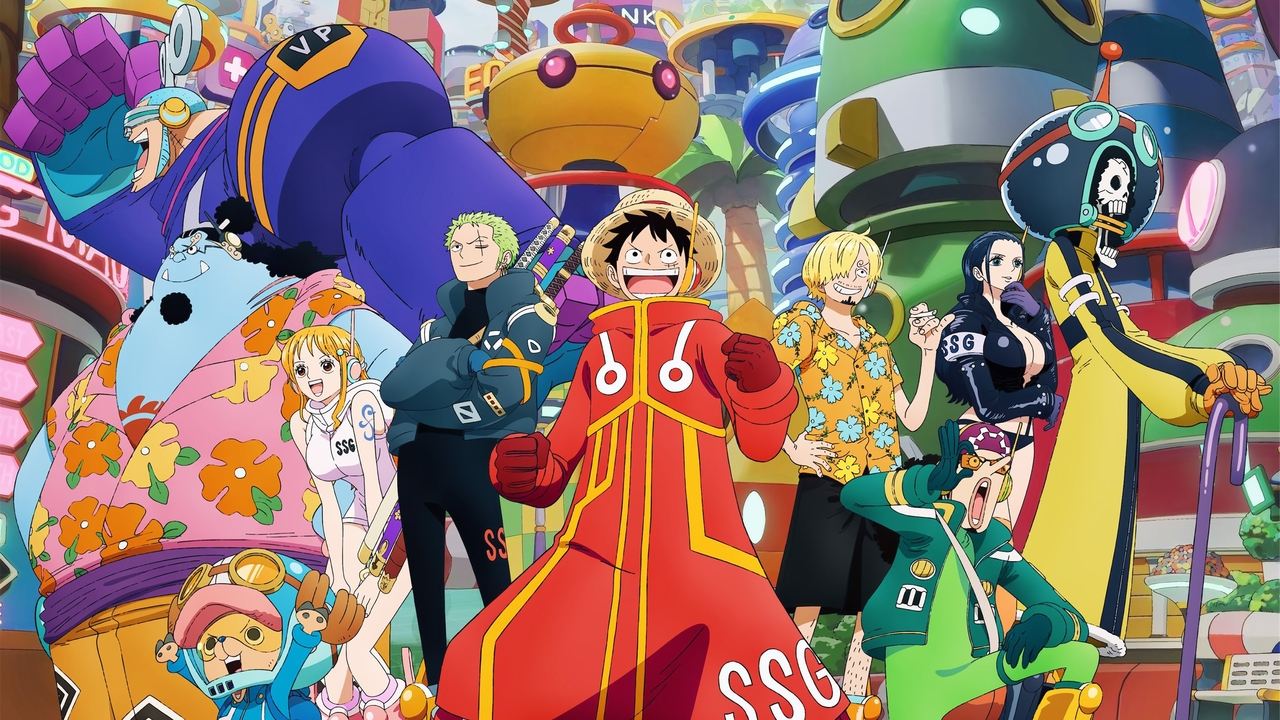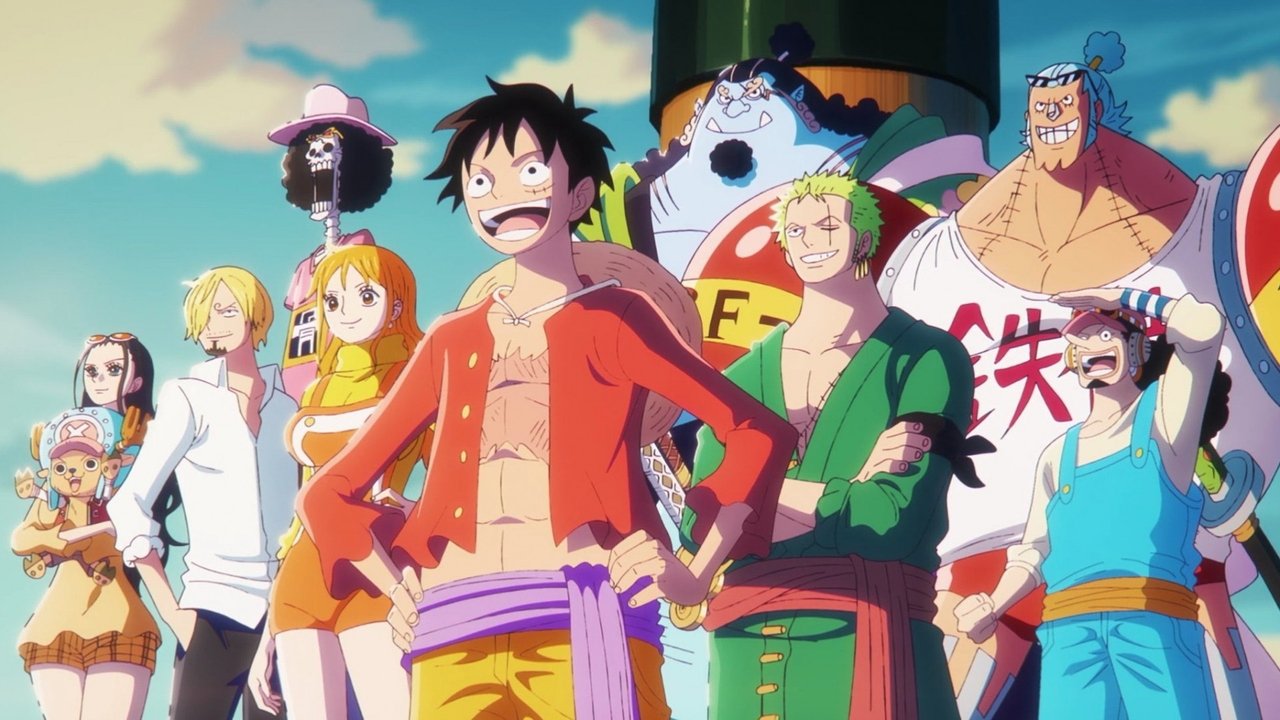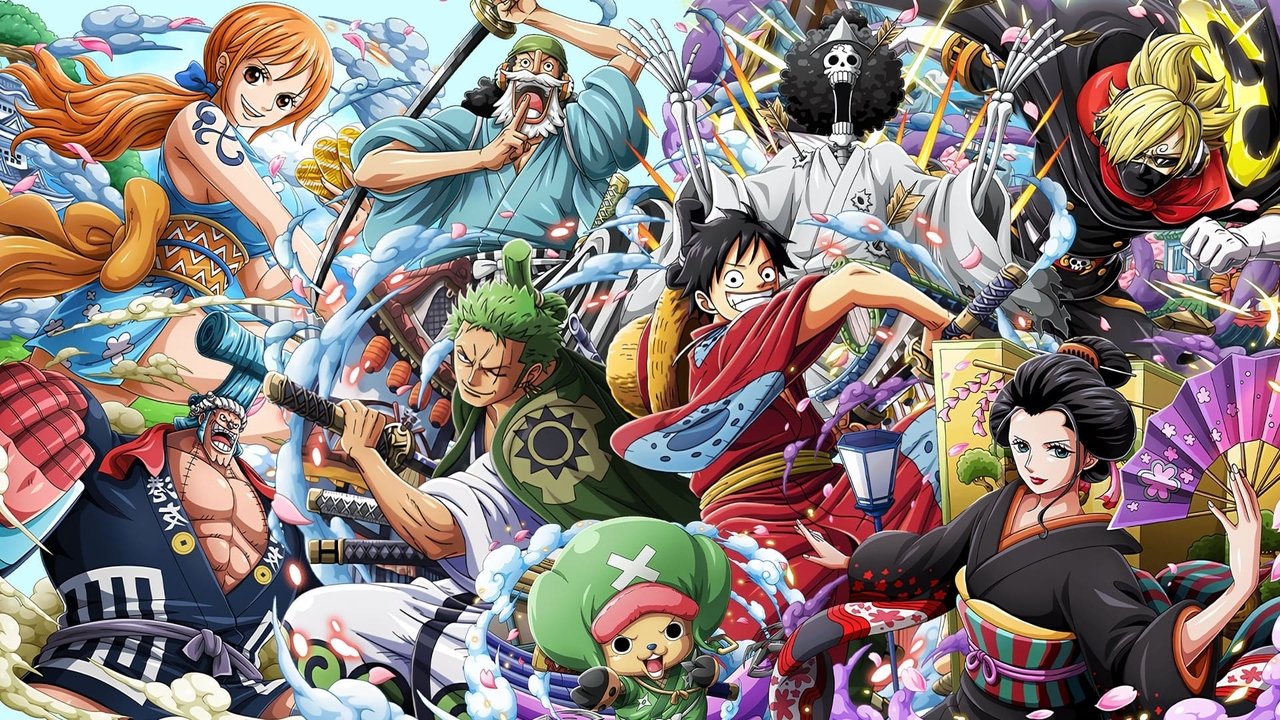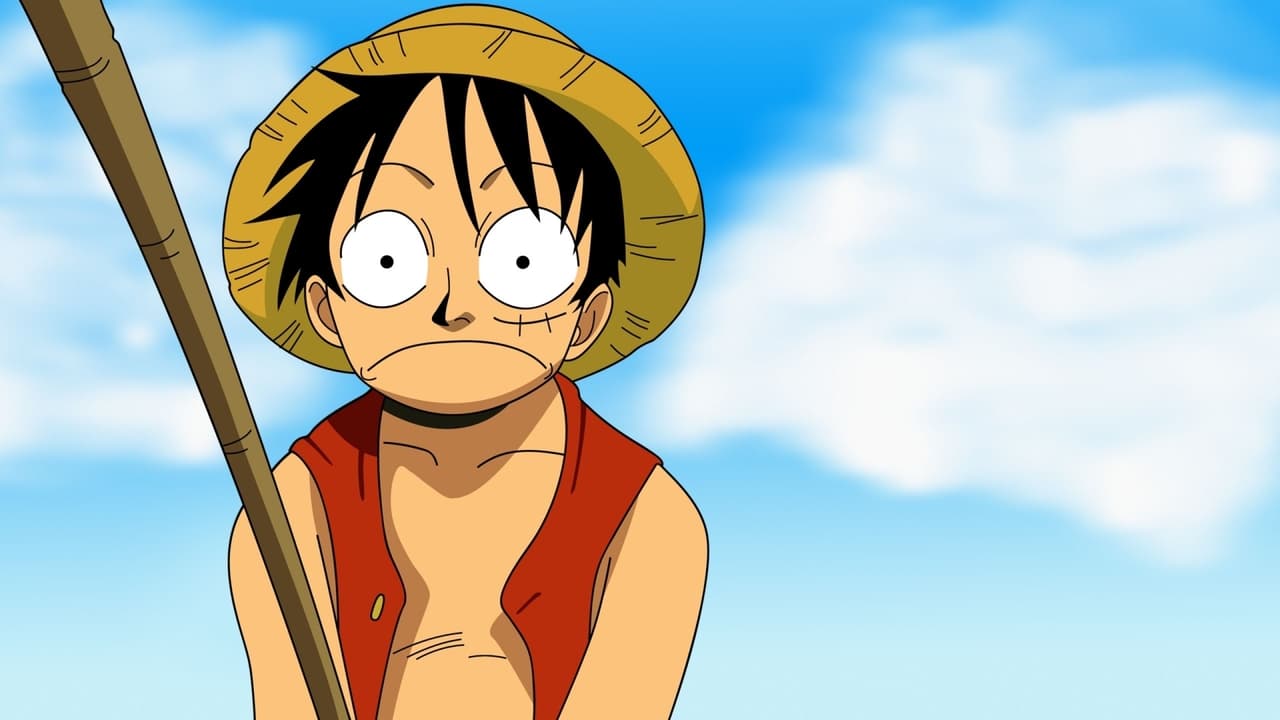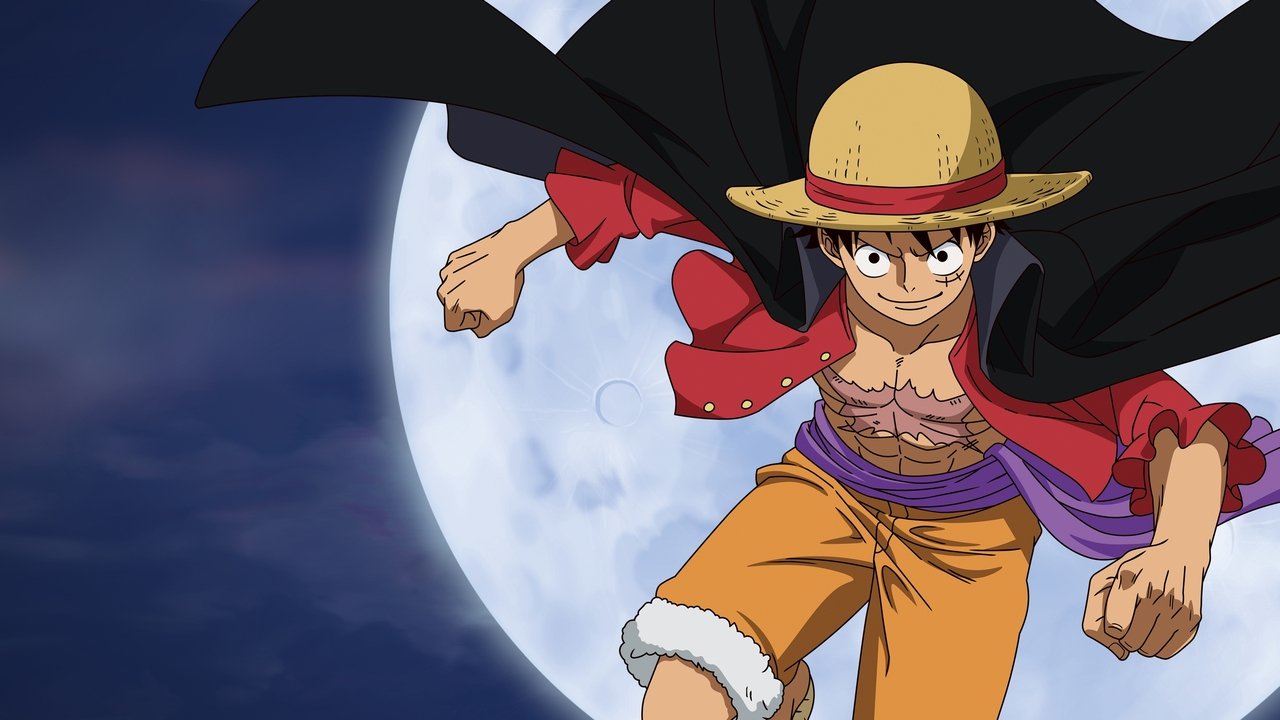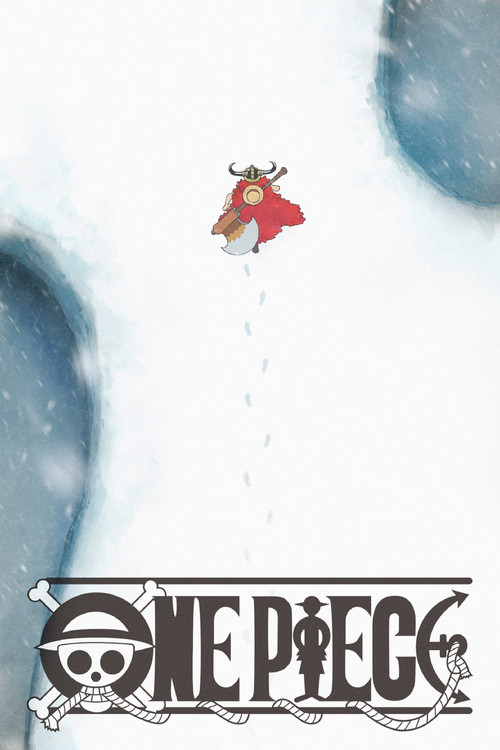


One Piece is anime's equivalent of asking your kid to read War and Peace—epic, beloved, and an absolutely massive time commitment. The friendship themes are genuinely beautiful, the world-building is creative genius, and the cultural impact means your kid will finally get half the memes floating around.
But let's be real: this is 1000+ episodes of content from 1999 with pacing that makes a snail look speedy, filler episodes that go nowhere, and female character designs that make you go 'really, Japan?' The violence is persistent, some story arcs get genuinely dark (slavery, war crimes, character deaths), and you're basically signing up for a multi-year viewing experience.
The 8.7 TMDB rating shows it's beloved for a reason—the payoffs ARE there, the emotional moments hit hard, and the themes about pursuing dreams and protecting your crew are solid. But 'watchable for modern kids' and 'one of the longest anime ever made' are in direct tension. If your kid is already anime-obsessed and has friends who watch it, this could be a meaningful shared experience. If they're just looking for something to watch on a Tuesday? Maybe start with the 2023 live-action Netflix version to test the waters.