

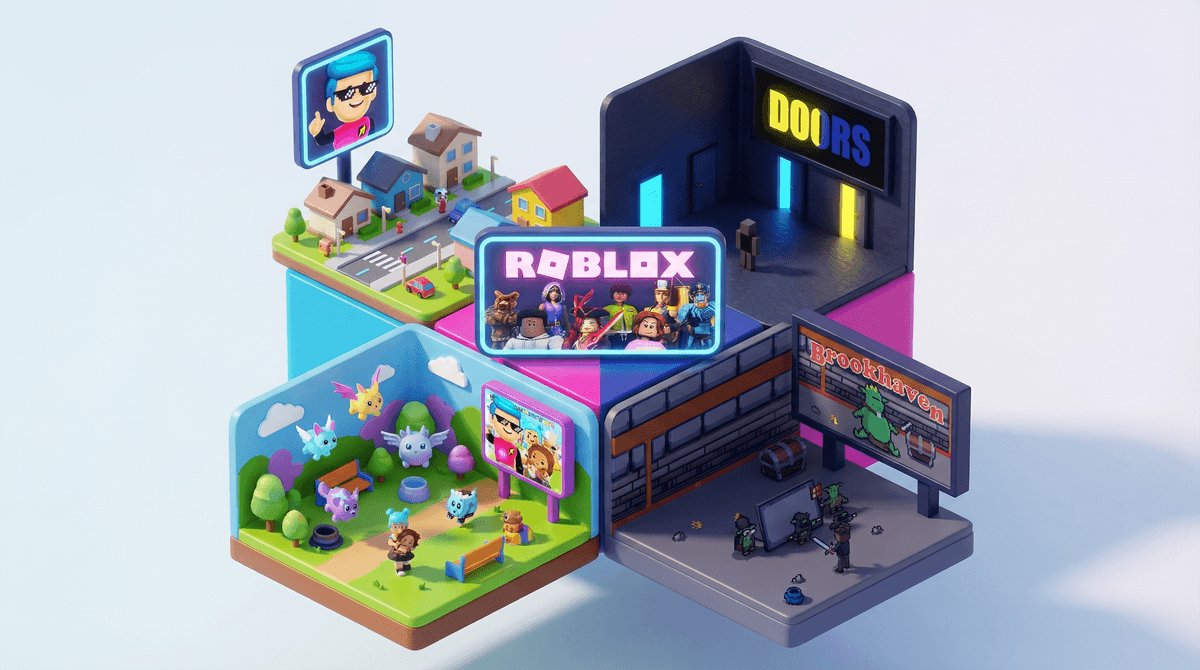
Okay, so you've heard your 6th grader talking about Roblox non-stop, and you're wondering what the actual deal is. Here's the thing: Roblox isn't just a game—it's more like YouTube meets Minecraft meets the App Store, but for games. It's a platform where users create and play millions of different "experiences" (they stopped calling them games a while back, very meta).
Think of it as a digital mall where your kid hangs out with friends, plays different games, customizes their avatar, and yes—constantly asks you for Robux (the in-game currency that costs real money). By 6th grade, around 70-80% of kids have at least tried Roblox, so if your child is on it, they're definitely not alone.
The "WTF" reaction most parents have is totally valid. The graphics look... let's say "blocky," the experiences range from genuinely creative to absolutely chaotic, and the social dynamics can feel like you need a PhD to understand. But here's the thing: to your 6th grader, this is their social hub, creative outlet, and entertainment all rolled into one.
By 6th grade (ages 11-12), kids are in this interesting developmental sweet spot. They're too old for "little kid" games but not quite ready for the intense shooters their older siblings might play. Roblox hits that middle ground perfectly.
Here's what they're actually getting out of it:
Social Connection: This is the big one. Your kid isn't just playing—they're hanging out. They're joining friends in Brookhaven, role-playing in Adopt Me, or competing in Blade Ball. It's basically the digital equivalent of going to the mall or park, which... they're not really doing as much anymore.
Identity Exploration: The avatar customization is HUGE at this age. Your 6th grader is trying on different identities, aesthetics, and social personas. Whether they're going for "cool and edgy" or "cute and aesthetic," their Roblox avatar is an extension of how they want to be seen.
Autonomy and Choice: Unlike when you pick the family movie, Roblox gives them total control. They choose what to play, who to play with, how to spend their time. At an age when they're craving independence but still need structure, this feels empowering.
Creative Expression: Some kids are actually building their own games using Roblox Studio. While not every 6th grader is coding, many are experimenting with game design, which is genuinely cool.
Let's talk about the elephant in the room: Robux requests are relentless. And here's why it feels so intense in 6th grade specifically.
At this age, social comparison kicks into overdrive. Kids notice who has the limited edition items, the cool accessories, the Premium subscription. The platform is designed to make free-to-play kids feel... well, less than. Your child sees their friends with fancy avatars and feels left out.
The psychology here is real: Roblox uses every trick in the book—limited-time offers, exclusive items, social status markers. You can learn more about how Robux functions as real money and why it feels so hard to say no.
Practical approach: Many families land on one of these strategies:
- Monthly allowance of Robux (like $10-20/month via Premium subscription)
- Earn it system (chores, grades, etc. = Robux)
- Special occasions only (birthday, holidays)
- No Robux, period (totally valid, though be prepared for the social dynamics this creates)
There's no perfect answer, but being consistent matters more than which approach you choose.
By 6th grade, your kid is probably pretty internet-savvy, but Roblox has some legitimate safety considerations:
Chat and Strangers: Roblox has chat features, and yes, your kid is talking to people you don't know. The platform has filters and moderation, but they're not perfect. Kids this age should understand: never share personal information, school name, location, or social media handles.
Inappropriate Content: While Roblox moderates content, some experiences slip through that aren't appropriate. Games can have violent themes, scary content, or inappropriate user behavior. The platform has age ratings, but they're not always accurate.
Scams and Hacking: "Free Robux" scams are everywhere. Kids get messages promising free currency if they just click this link or enter their password. Teach your 6th grader: if it sounds too good to be true, it is.
Practical safety settings:
- Set up parental controls in account settings
- Limit who can chat with them (friends only is reasonable for this age)
- Enable account restrictions if needed
- Check their friend list occasionally
- Keep the computer in a common area (or check in regularly if they're on mobile)
The popular experiences change constantly, but here's what's big right now in the 6th grade demographic:
- Brookhaven: Role-play life simulator (like playing house, but digital)
- Adopt Me: Pet collection and trading (think Pokémon meets Tamagotchi)
- Blade Ball: Dodgeball-style competitive game
- Blox Fruits: Anime-inspired adventure (based on One Piece)
- Tower Defense games: Strategy games that are actually pretty engaging
- Horror experiences: Yes, kids love getting scared together (think Doors or The Mimic)
Ask your kid to show you what they're playing. You'll learn a ton, and they'll appreciate the interest (even if they act annoyed).
The honest answer? It depends on how they're using it.
Potential benefits:
- Social connection and friendship maintenance
- Problem-solving and strategic thinking
- Basic coding/design skills (if they use Roblox Studio)
- Digital literacy and online safety practice
- Creative expression
Potential concerns:
- Excessive screen time replacing physical activity
- Social comparison and self-esteem issues
- Money/spending pressure
- Exposure to inappropriate content
- Addictive design patterns
The research on gaming at this age suggests that moderate use (around 1-2 hours on non-school days) within a balanced life is generally fine. It's when Roblox becomes the only thing—replacing homework, sleep, physical activity, and face-to-face connection—that problems emerge.
Instead of "You're always on that stupid game," try:
"Show me what you're working on" - Genuine interest opens doors
"Who are you playing with?" - Understand the social dynamics
"What do you like about this game?" - Learn what they're getting out of it
"Let's talk about screen time balance" - Collaborative problem-solving, not dictating
"I noticed you seem stressed about Robux" - Open the door to money conversations
Your 6th grader is old enough for real conversations about time management, money, online safety, and balance. They might roll their eyes, but they're listening.
Roblox at 6th grade is totally normal, and your "WTF" reaction is also totally normal. It's not going away, and fighting it completely often backfires at this age.
The goal isn't to eliminate Roblox—it's to help your kid develop a healthy relationship with it. That means:
- Clear boundaries around time and money
- Ongoing conversations about safety
- Attention to whether it's balanced with other activities
- Interest in what they're actually doing (not just blanket judgment)
You don't need to become a Roblox expert, but showing curiosity about your kid's digital life matters. They're navigating complex social dynamics, identity formation, and digital citizenship—and they need your guidance, even when they act like they don't.
This week:
- Ask your kid to show you their favorite Roblox experience
- Review account safety settings together
- Have a clear conversation about Robux expectations
- Check out our comprehensive Roblox guide for more detailed information
Consider exploring:
- How Roblox compares to Minecraft as platforms
- Other games that might interest your 6th grader if you're looking for alternatives
- Understanding game monetization to have better conversations about spending
You've got this. Welcome to digital parenting in 2024—it's weird, it's complicated, and you're not alone in the "WTF" feeling.