The 'Overcooked' of Logistics
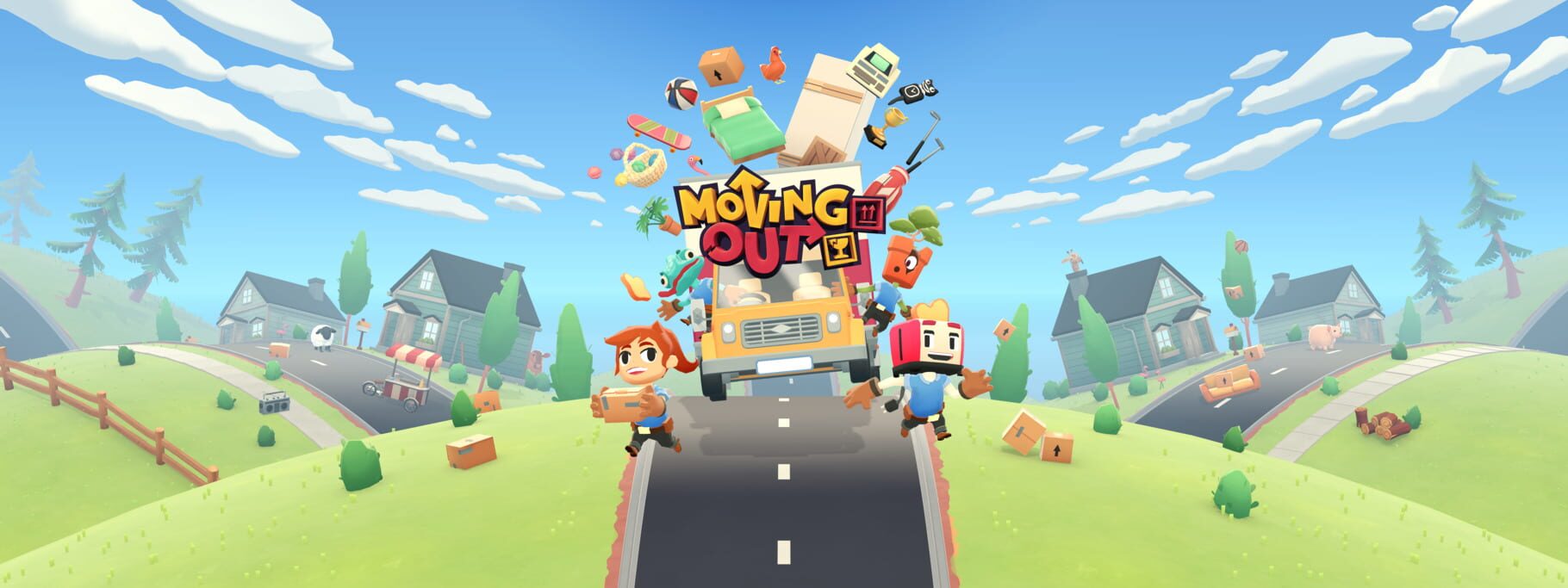
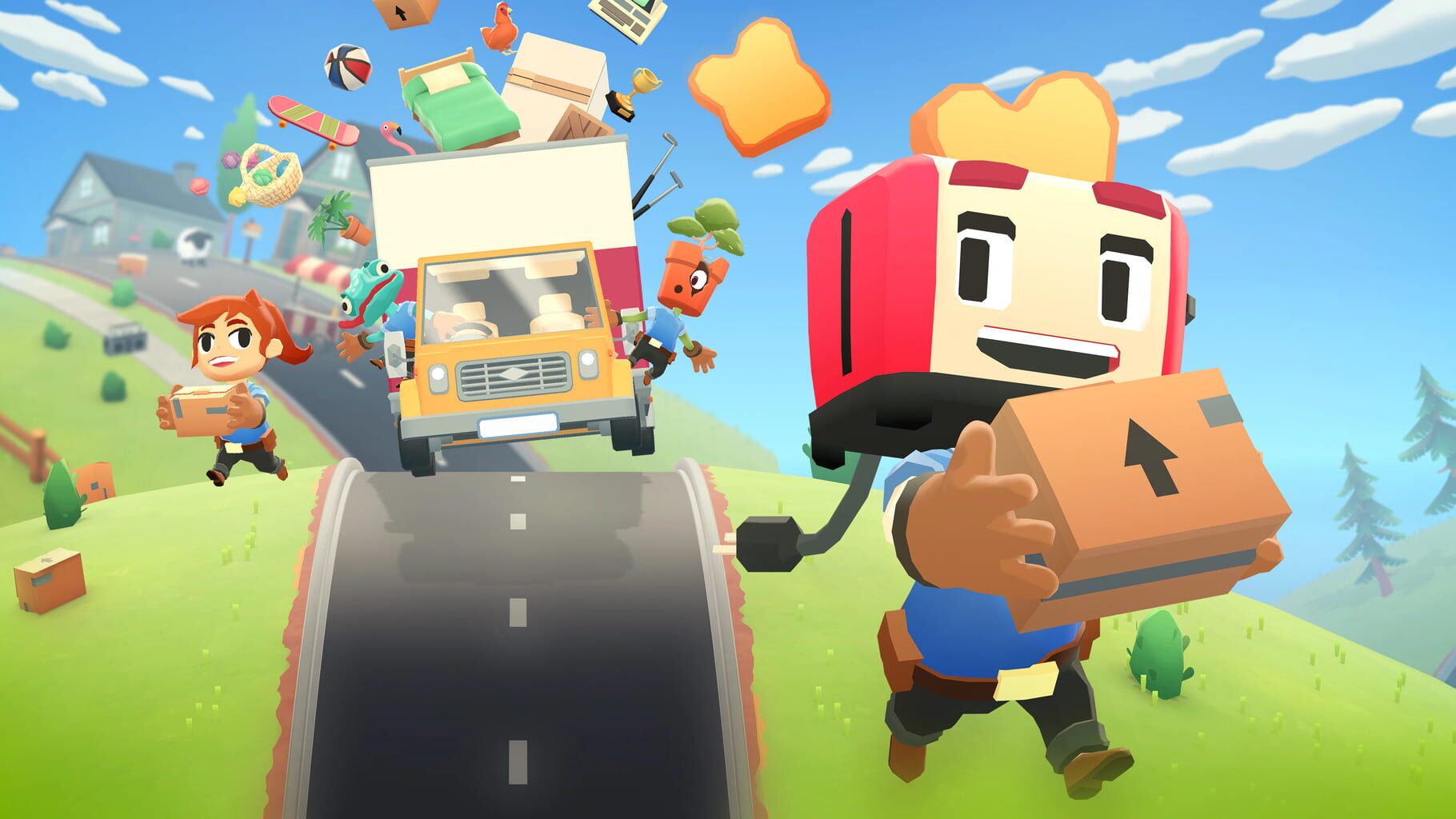
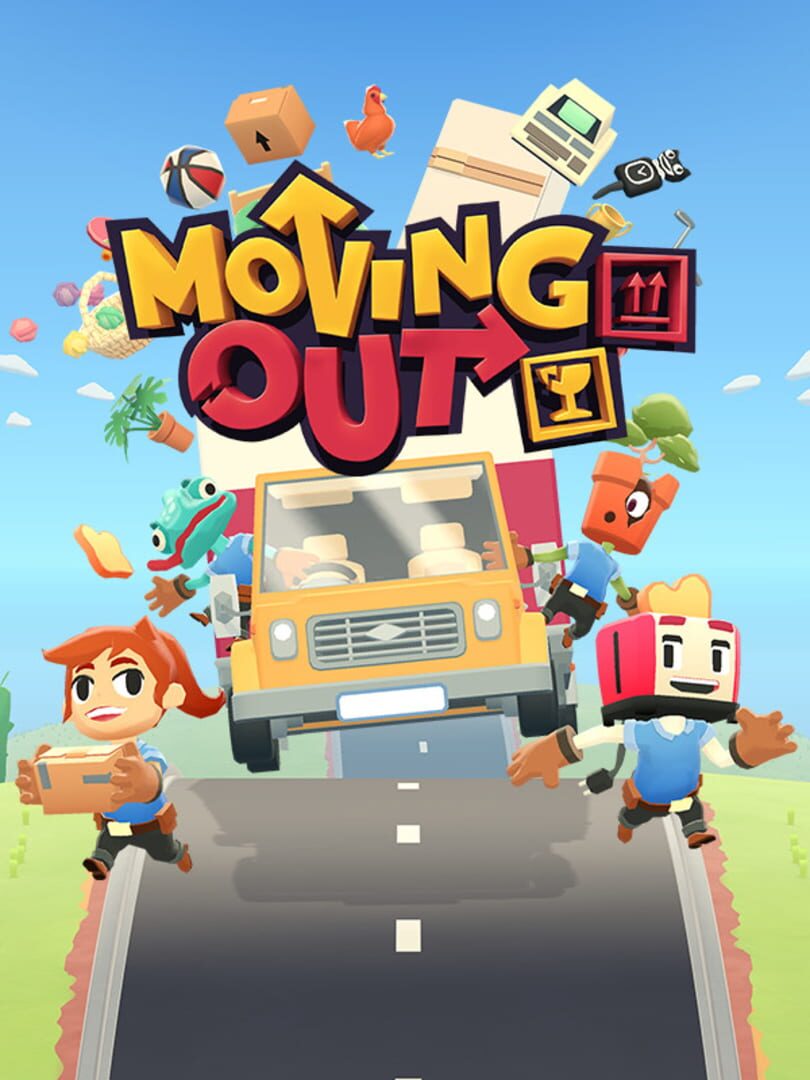
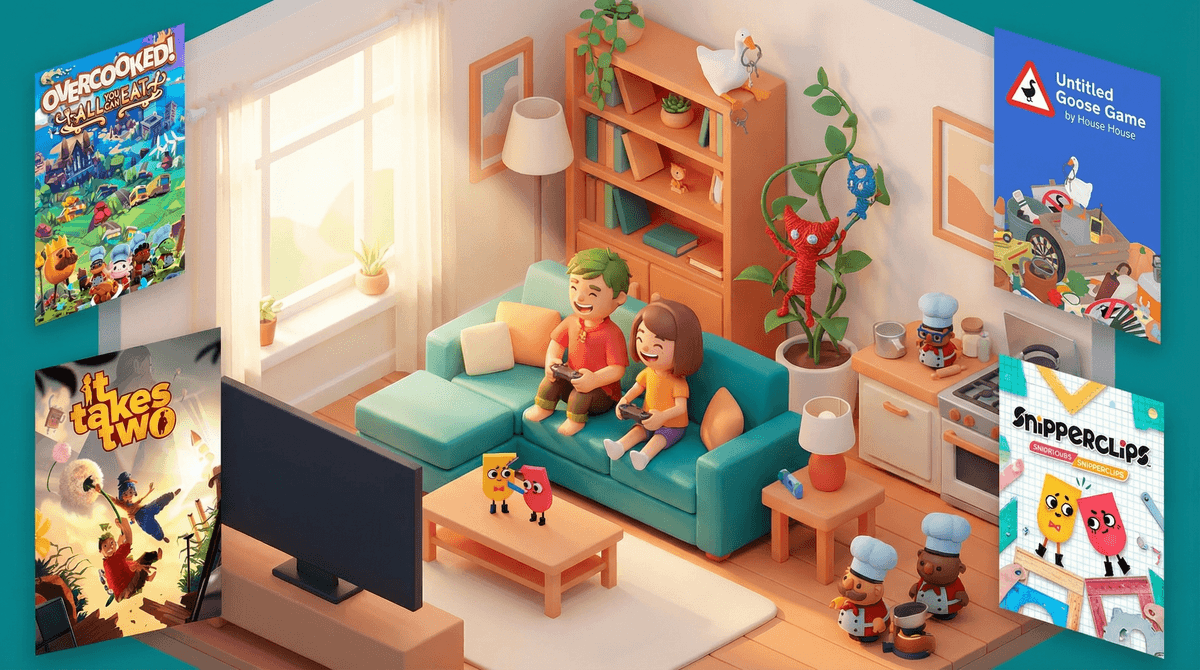
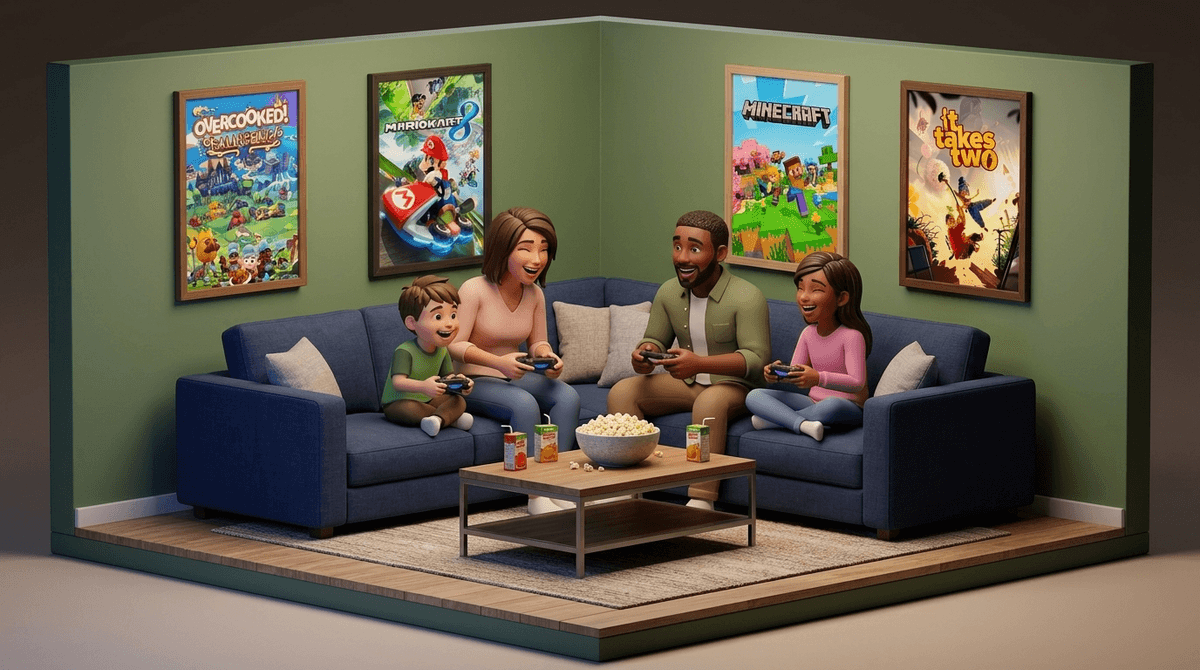
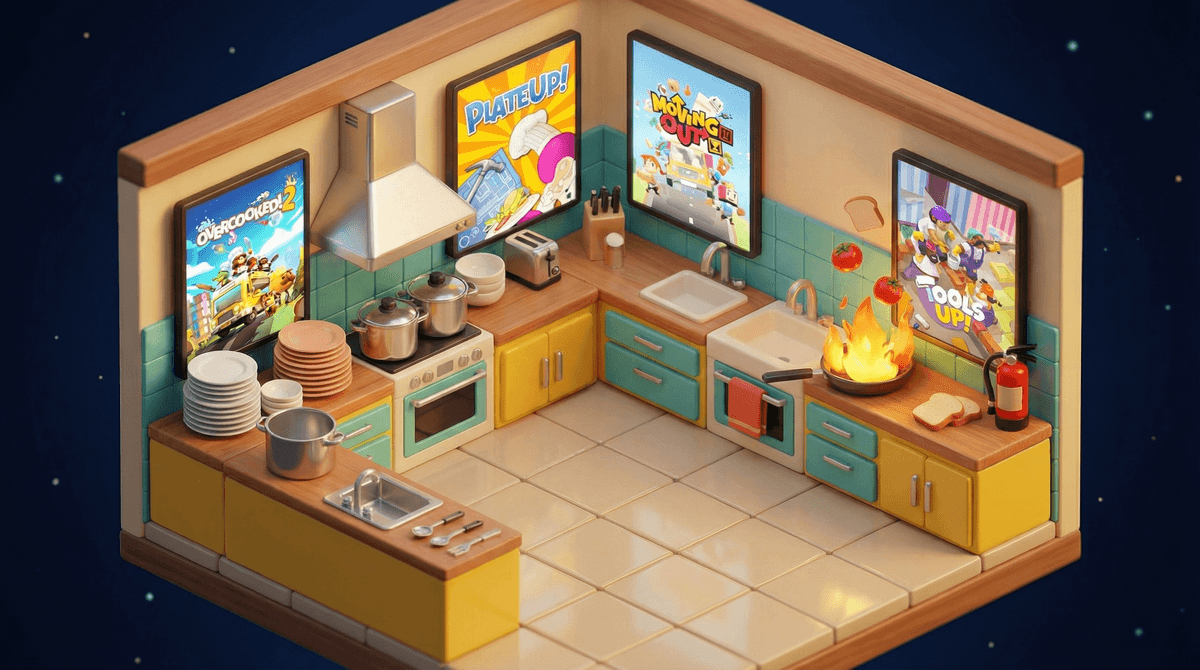
If you've played Overcooked, you know the specific brand of 'fun stress' that comes from trying to coordinate a group of people to finish a task. Moving Out takes that formula and applies it to the world of professional moving (or F.A.R.T.s—Furniture Arrangement & Relocation Technicians, as the game calls them). It’s a game that lives and dies by its local multiplayer. While you can play it solo, you shouldn't. The magic is in the two-to-four player chaos.
Why Assist Mode Matters
Many 'family' games are actually quite punishing. They require precise jumps or perfect timing. Moving Out avoids this trap with its Assist Mode. You can make objects lighter (allowing one person to carry something that usually takes two), make items disappear once they hit the truck, or simply give yourself more time. This is the secret sauce for families with different skill levels. It allows the kid to feel like they are contributing meaningfully without the timer creating a household crisis.
Learning Through Chaos
There is a genuine educational thread here regarding spatial awareness. You aren't just moving items; you're playing a 3D version of Tetris. You have to decide if the heavy bed goes in first or if you should layer the small boxes on top of the fridge. It’s a hands-on lesson in geometry and physics, even if those physics occasionally result in a character being launched across the map because they got stuck in a doorframe with a microwave.
If you finish this and want more, Moving Out 2 (2023) adds online play and even weirder levels, but the original remains the perfect starting point for a Saturday afternoon family session.