

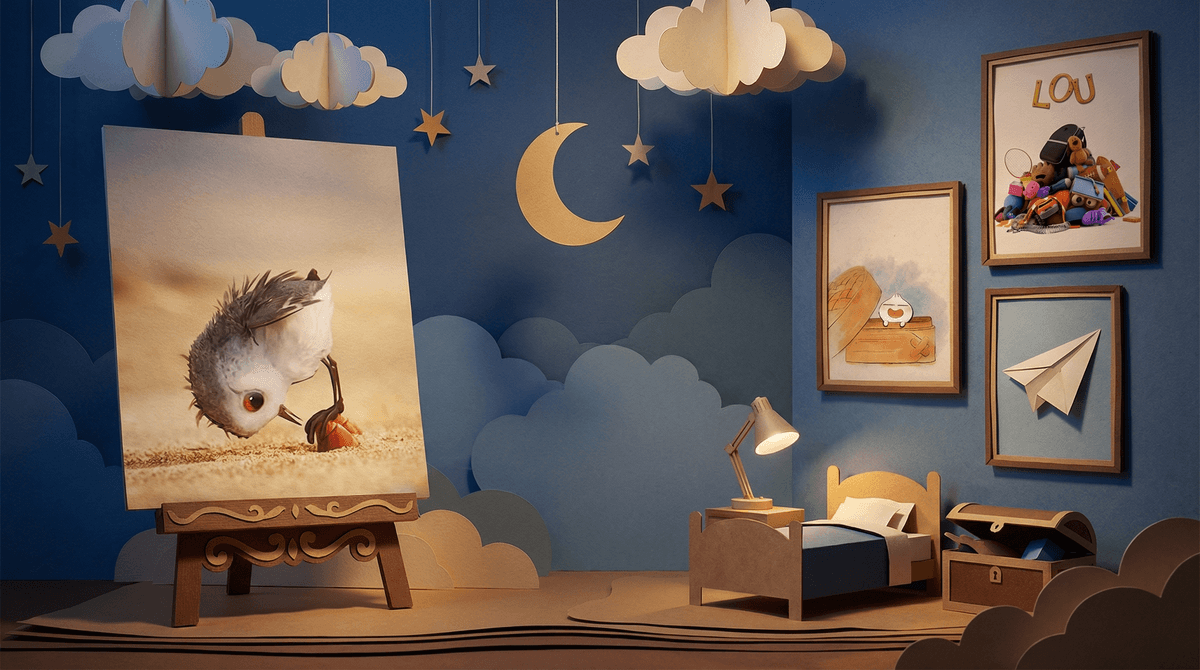
The Pixar Short Films Collection is a series of animated shorts—typically 3-10 minutes long—that showcase Pixar's experimental storytelling and technical artistry. These aren't the feature films like Toy Story or Inside Out. Instead, they're bite-sized narratives that often play before Pixar movies in theaters or live on Disney+.
Think Bao (the dumpling that comes to life), Piper (the baby sandpiper learning to find food), or Lou (the lost-and-found box creature tackling playground bullying). Many have zero dialogue and rely entirely on visual storytelling, which makes them accessible to kids of all ages and language backgrounds.
According to our community data, about 50% of families watch Disney+ content together, and these shorts are perfect for that shared viewing experience. At an average of 4.2 hours of daily screen time across families, dedicating 5-10 minutes to a Pixar short feels like a genuinely enriching use of that time.
They're emotionally powerful without being heavy. A 6-minute short can make you cry, laugh, and think—all before your popcorn gets cold. Kids respond to the visual humor and adorable characters, while adults pick up on the deeper themes about aging, immigration, creativity, or loss.
They're visually stunning. Pixar uses these shorts to test new animation techniques. Purl, for example, was the first Pixar short directed by a woman and features a ball of yarn navigating a bro-culture office. The contrast between Purl's soft, fuzzy texture and the angular, corporate environment is intentional and gorgeous.
They spark conversation. Because they're short and often open-ended, kids naturally want to talk about them. "Why did the dumpling mom eat the dumpling?" "What happened to the sandpiper's family?" These aren't rhetorical questions—they're genuine curiosity that leads to great discussions about feelings, choices, and consequences.
Ages 3-6: Start with the purely visual, gentle ones like For the Birds, Partly Cloudy, or La Luna. These have clear storylines, minimal scary moments, and lots of slapstick humor. Younger kids might not grasp the metaphors, but they'll enjoy the characters and action.
Ages 7-10: This age can handle more emotional complexity. Bao deals with empty nest syndrome and cultural identity. Lou addresses bullying and empathy. Float explores what it's like to have a child who's different. These shorts give kids language for big feelings they might already be experiencing.
Ages 11+: Tweens and teens can appreciate the full artistic and thematic range. Out—Pixar's first short with a gay main character—deals with coming out to parents. Kitbull tackles animal abuse and trauma bonding. Wind is a wordless meditation on perseverance. These can be entry points for deeper conversations about identity, resilience, and social issues.
Most shorts are genuinely family-friendly, but preview if you're unsure. While Pixar shorts rarely have objectionable content, some deal with mature themes. Bao's twist moment—where the mom appears to eat her dumpling son—can be genuinely upsetting for young kids who don't understand the metaphor. A quick 5-minute preview on your own can save tears at bedtime.
They're perfect for "conversation starters" about tough topics. Struggling to talk about death? Watch Day & Night or Coco shorts. Want to discuss inclusion? Try Loop, which features a nonverbal autistic girl. These shorts do the heavy lifting of introducing concepts in an age-appropriate, emotionally safe way.
They're a gateway to media literacy. Because the shorts are so tightly constructed, they're perfect for teaching storytelling basics: setup, conflict, resolution. Ask questions like "What did you notice about the music?" or "How did you know the character was sad without them saying anything?" You're building critical thinking skills without it feeling like homework.
They're available in multiple places. Most are on Disney+, but some are on YouTube (though be mindful of autoplay leading to less curated content). If you're already part of the 30% of families where kids watch Disney+ independently, these shorts are a solid choice for solo viewing since they're self-contained and age-appropriate.
Pixar shorts are basically the vegetables that taste like dessert of screen time. They're entertaining enough that kids will actually want to watch them, but they're also teaching empathy, visual literacy, and emotional intelligence. In a media landscape full of YouTube algorithm rabbit holes and endless Roblox sessions, a 7-minute Pixar short feels like a genuinely enriching use of those 4.2 daily screen hours.
Start with a sampler. Pick three shorts with different tones—maybe Piper (sweet), Lifted (funny), and Bao (emotional)—and see which resonates with your kid.
Make it a ritual. "Short Film Sunday" or "Monday Mini-Movie" can become a low-pressure family tradition that doesn't require a 90-minute commitment.
Talk about them. The magic happens in the conversation afterward. Even just "What was your favorite part?" or "How do you think that character felt?" turns passive watching into active learning.
Explore the creators. Many Pixar shorts are directed by diverse voices telling personal stories. Want to learn more about the people behind these films? It's a great way to show kids that storytelling comes from real people with real experiences.