Code Dot Org

Code Dot Org

Website

WISE
96%

WISE Score

The gold standard for turning kids from passive screen-consumers into active creators through gamified coding puzzles.

Where to Find

Visit Code Dot Org
Screenwise Verdict

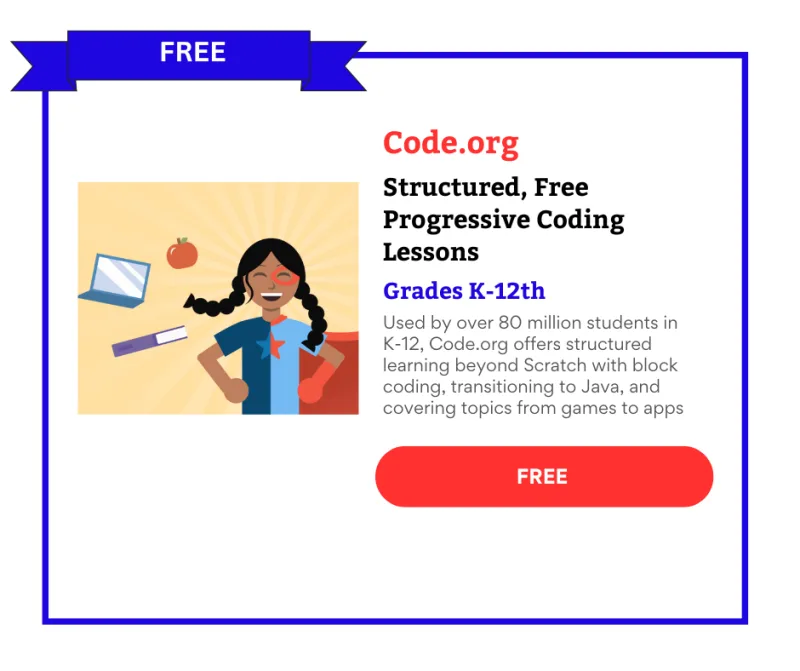
Code.org is arguably the best thing on the internet for kids. It is the rare site where 'screen time' isn't a dirty word because it's actively building the kid's brain instead of just harvesting their attention.

By gamifying the fundamentals of computer science, it takes the intimidation out of coding. Because it's a non-profit that has intentionally stripped out social features like project comments, it's also one of the safest sandboxes available. If you want your kid to understand the world they're living in, this is the place to start.

Age Fit

While they have 'pre-reader' courses for ages 4-6, the sweet spot for independent use is 8 and up. High schoolers and even adults can find value in the more advanced App Lab and computer science principles courses.

WISE Breakdown
Wholesome
95

It is an explicitly educational non-profit that models persistence and logical problem-solving without any of the typical 'engagement' tricks found on commercial platforms.

Imaginative
92

The platform moves kids from solving puzzles to building their own apps, games, and art, directly encouraging creative expression through logic.

Safe
98

Non-profit status means zero ads or data-harvesting for profit. The lack of project comments and social feeds eliminates the typical toxicity risks found in coding communities like Scratch.

Enriching
98

This is top-tier digital literacy. It teaches the 'how' behind the screen, moving kids from passive consumers to active creators.

Parent Info
✓

Why It Might Be Great

  • Gamified tutorials leverage brands kids already love, like Minecraft, Star Wars, and Frozen, to make logic feel like play.
  • Zero cost and no predatory monetization—it is a true non-profit mission to democratize computer science.
  • Self-paced progression allows kids to master block-based coding before they ever have to worry about the frustration of typing syntax correctly.
  • Teacher-vetted curriculum ensures the lessons actually align with how the brain learns complex systems.
⚠

What to Watch For

  • Reading barriers exist for the youngest kids (K-1); if they can't read the instruction blocks yet, you will be doing the heavy lifting.
  • Logic walls can be frustrating. Some levels require a level of persistence that might lead to a 'rage-quit' if a parent isn't there to help them debug the problem.

Conversation Starters

  • "What was the most annoying bug you had to fix today?"
  • "If you could build any app to solve a problem in our house, what would it be?"
  • "How does the computer know exactly what to do when you click that button?"
  • "Why do you think the instructions have to be in a specific order for the program to work?"

Ask Anything

Get a personalized guide on any topic