

Your small kid just told you a bigger kid at school has been pushing them around, taking their stuff, or saying mean things. Your heart breaks, your protective instincts kick in, and you're navigating conversations with teachers while also trying to help your child feel brave and capable. It's one of those parenting moments that feels impossibly hard.
Here's something that might help: the right shows and movies can be surprisingly powerful tools for processing these feelings and building resilience. Not as a replacement for real-world action (you're still talking to the school, right?), but as a way to open conversations, normalize their feelings, and show them characters who've faced similar challenges and come out okay.
I know we usually talk about limiting screens, but this is different. When kids see characters dealing with bullying—especially smaller characters standing up to bigger ones—it does a few important things:
It validates their experience. "Oh, this happens to other people too. I'm not the only one."
It models coping strategies. Kids absorb how characters handle conflict, even if they can't articulate it.
It creates safe distance for tough conversations. Sometimes it's easier to talk about what Nemo felt than what happened at recess today.
It builds emotional vocabulary. "Remember when Wilbur felt scared of the bigger animals? Is that how you're feeling?"
The key is watching together and talking about what you're seeing. This isn't "park them in front of the TV" time—it's "let's process this together" time.
For Little Ones (Ages 4-7)
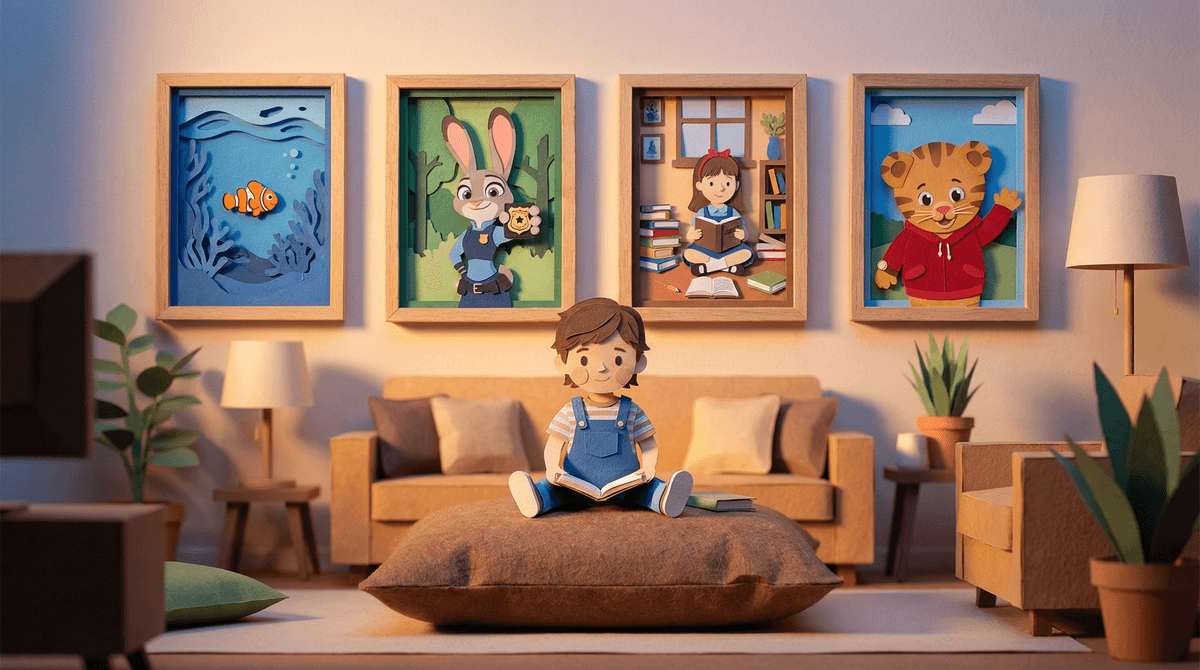
Finding Nemo - Nemo is literally smaller than everyone else in the ocean, and there's that whole dynamic with the older fish in the tank. Great for talking about how being small doesn't mean being powerless.
Charlotte's Web - Wilbur is the runt, literally saved from being killed for being too small. The barnyard hierarchy and Templeton's meanness give you lots to work with.
Daniel Tiger's Neighborhood - Look, I know the songs get stuck in your head for days, but the episode "Daniel Stands Up for Himself" is literally made for this moment. It's direct, age-appropriate, and gives kids actual language to use.
Zootopia - Judy Hopps is smaller than everyone and constantly underestimated. The movie tackles prejudice and bullying in ways even young kids can grasp.
For Elementary Age (Ages 8-11)
Wonder - This one's intense but incredibly valuable for kids who are being excluded or picked on for being different. Watch it together and have tissues ready for both of you.
How to Train Your Dragon - Hiccup is the smallest Viking who doesn't fit the mold. The whole trilogy is about finding your own kind of strength.
Matilda - Both the original and the newer musical version work. Matilda faces bullying from adults and kids, and finds her power through friendship and standing up for what's right.
The Karate Kid - The original (1984) is still gold. Daniel is literally being physically bullied by bigger kids, and while we're not necessarily advocating karate as the solution, the themes of mentorship, persistence, and self-confidence are powerful.
Avatar: The Last Airbender - The series has multiple story arcs about standing up to more powerful opponents, dealing with bullies, and finding inner strength. Aang is literally a kid trying to stand up to an empire.
For Tweens (Ages 11-13)
Ender's Game - Ender faces physical bullying from bigger kids in battle school. Fair warning: the violence is strategic but present, so preview first.
Spider-Man: Into the Spider-Verse - Miles is the new kid dealing with feeling small in a big new school. The "anyone can wear the mask" message is powerful for kids who feel powerless.
The Hunger Games - For mature tweens only, but it's literally about smaller, weaker tributes standing up to the Careers (the bigger, trained kids). Lots to discuss about power dynamics.
Just putting on a movie won't do much. The magic happens in the conversation:
Before watching: "I thought we could watch this together because it's about a character who faces some tough stuff, kind of like what's happening at school."
During watching: Pause when relevant moments happen. "How do you think they're feeling right now?" "What would you do?"
After watching: "What did you notice about how they handled that?" "Which part reminded you of your situation?"
Don't force it. If they don't want to talk, that's okay. Sometimes just seeing the story is enough, and they'll bring it up later—maybe in the car next week or at bedtime.
Media isn't a substitute for action. You're still advocating at school, teaching them to use their words, maybe doing some role-playing of responses. But shows and movies can reinforce those lessons in ways that stick.
Not every bullying story has a happy ending. Some of these movies show realistic struggles. That's actually valuable—it teaches kids that standing up for yourself doesn't always "fix" everything immediately, but it's still worth doing.
Your kid might want to watch the same thing repeatedly. That's normal and actually helpful. They're processing.
Some kids will reject the comparison. "That's not the same as what's happening to me!" Fair enough. Let them lead on what resonates.
When your small kid is dealing with a bigger bully, you're already doing the hard work—talking to teachers, building their confidence, teaching them safety strategies. Adding the right shows and movies to your toolkit gives you another way to process these big feelings together.
The goal isn't to teach them that they need to become a superhero or win a fight. It's to show them that feeling scared is normal, that being small doesn't mean being powerless, and that there are many kinds of strength.
And honestly? Sometimes you need to see those messages too. Watching Judy Hopps prove everyone wrong might give you both a little boost.
- Pick one show or movie from the list that feels right for your kid's age and situation
- Block out time to watch it together—not as background noise
- Have a simple opening line ready: "I thought this might be interesting because..."
- Learn more about how to talk to your kids about bullying

- Follow up with the school if you haven't already—media helps, but adult intervention is often necessary too
You've got this. Your kid is lucky to have a parent who's thinking this carefully about how to help them through a hard time.