

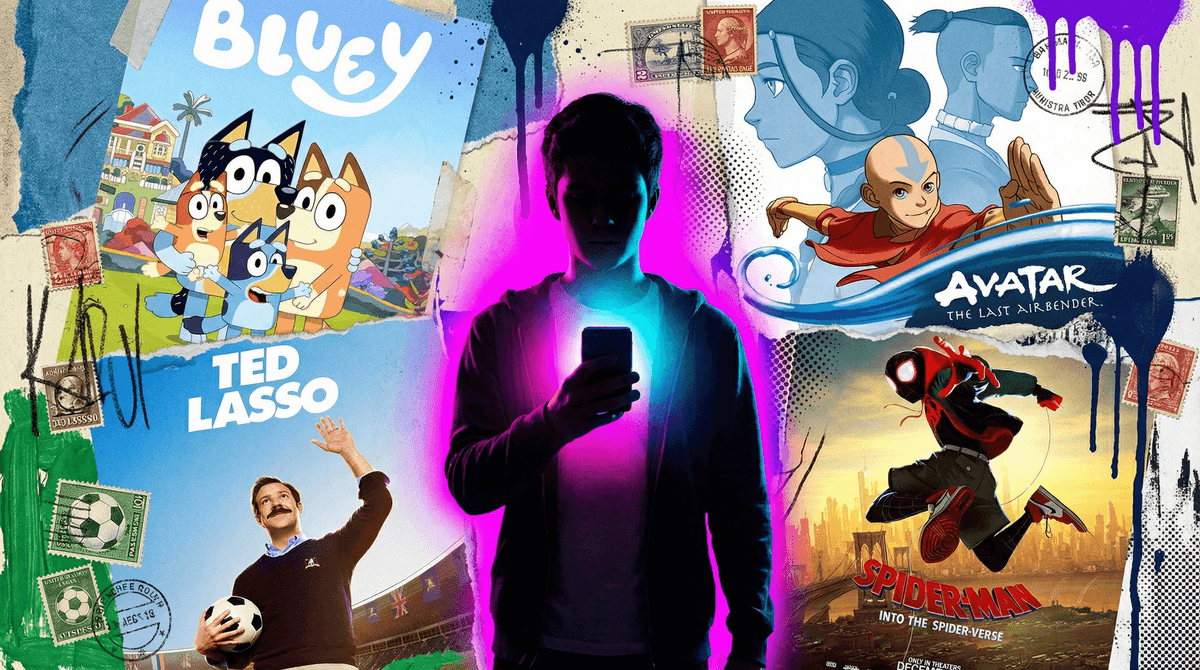
The 'Main Character' Era: Using Media to Teach Your Kid Humility
Your kid just got a new pair of shoes and they're filming a slow-motion TikTok walking down the hallway. They're narrating their breakfast like it's a Netflix documentary. They're posing in the mirror doing that thing where they pretend they don't know the camera is there.
Welcome to Main Character Syndrome—the cultural phenomenon where everyone's the protagonist of their own movie, and the rest of us are just extras in their cinematic universe.
And look, there's nothing inherently wrong with confidence. But when every moment becomes content, when every achievement requires an audience, when self-promotion becomes the default setting—we're veering into territory that makes humility feel like a lost art.
The digital landscape is basically designed to amplify this. Instagram highlights reels, YouTube "day in the life" vlogs, Roblox avatars dripping in expensive accessories, Discord servers where kids flex their gaming setups. The algorithm literally rewards self-promotion. The kids who go viral are often the ones who are the loudest, the flashiest, the most "look at me."
Here's the thing: humility isn't about making your kid feel small or teaching them false modesty. It's about helping them understand they're part of something bigger. That other people's experiences matter. That quiet confidence is actually more powerful than constant performance.
Kids growing up in this "main character" era are getting some genuinely warped messages:
- Your worth is measured by your audience
- If you're not documenting it, did it even happen?
- Being "humble" means you're not ambitious enough
- Flexing your wins is just "confidence"
And the media they consume? It's often reinforcing these messages. Reality TV where everyone's fighting for screen time. YouTube creators with thumbnails screaming "I'M THE BEST." MrBeast videos where the spectacle is the point (though to be fair, he's also doing genuine good—it's complicated).
The research on this is pretty clear: kids who develop genuine humility tend to have better relationships, stronger resilience, and—ironically—more authentic confidence. They're less anxious about their image because they're not constantly performing.
Let's be real about what kids are watching and playing:
The flex culture is everywhere:
- Unboxing videos where the point is showing off expensive stuff
- "Grwm" (get ready with me) videos that are basically product showcases
- Gaming content where streamers brag about their setups and skills
- Fortnite and other games where expensive skins = status
- Instagram and TikTok where every post is curated perfection
But there's also genuinely humble content out there:
- Bluey (yes, really—those parents mess up constantly and model apologizing)
- The Last of Us (characters who are deeply flawed and know it)
- Hilda (a protagonist who's brave but constantly learning from others)
- Stardew Valley (a game literally about leaving corporate ambition for simple community life)
- Ted Lasso (ages 12+, but the masterclass in humble leadership)
Here's where it gets practical. You don't need to ban TikTok or lecture about the evils of social media. Instead, use what they're already watching as conversation starters.
When they're watching flex content: "What do you think this person is trying to prove? Do you think they're actually happy?"
When someone's being performatively humble: "That feels like fake modesty, right? What's the difference between that and real humility?"
When a character messes up and admits it: "I love that they just said 'I was wrong.' That takes real strength."
Age-appropriate approaches:
Ages 6-9: Focus on characters who help others without needing credit. Watch shows like Bluey or Avatar: The Last Airbender and point out moments where characters do good things quietly. Play Animal Crossing together and talk about helping the community just because.
Ages 10-13: They're old enough for more nuanced conversations. Watch The Last of Us or Spider-Man: Into the Spider-Verse and discuss characters who struggle with ego and learn humility. When they're scrolling TikTok, occasionally ask: "Do you think that person's life is really like that all the time?"
Ages 14+: Now you can get real. Watch documentaries about influencer culture together. Discuss the difference between confidence and arrogance. When they post something, ask what they're hoping to communicate—not to shame them, but to build awareness about their own motivations.
Create "no-audience" moments: Encourage activities where the point isn't to perform or document. Family game nights where phones are away. Reading books that aren't for a school report. Playing Minecraft in creative mode just to build, not to show off.
Model it yourself: This is the hard one. When you accomplish something, do you immediately post about it? When you mess up, do you admit it out loud? Kids are watching how you handle both success and failure.
Celebrate quiet wins: Make a big deal when they do something kind that no one else saw. When they help a sibling without being asked. When they admit they were wrong. Show them that these moments matter more than viral ones.
Curate their media diet: Not by banning everything, but by adding in content that shows different values. Subscribe to Brains On! or other podcasts where learning is the point, not performance. Watch shows where characters are part of ensembles, not solo stars.
Talk about the algorithm: Help them understand that social media is designed to reward certain behaviors. The flex culture isn't natural—it's engineered. Learn more about how algorithms shape behavior .
.
Your kid doesn't need to be self-deprecating or hide their light. Humility isn't about thinking less of yourself—it's about thinking of yourself less.
The goal is raising someone who can celebrate their wins without needing constant validation, who can learn from others without feeling threatened, who can mess up without it destroying their self-image. Someone who knows they're valuable but doesn't need to prove it every second.
And yeah, this is swimming upstream in a culture that's basically a 24/7 flex competition. But that's exactly why it matters.
The media landscape isn't going to change anytime soon. But you can help your kid navigate it with perspective, self-awareness, and the kind of quiet confidence that doesn't need an audience.
Start small. Pick one show this week and watch it together with this lens. Point out one moment where a character shows real humility. Ask one question about what they're seeing online.
You're not trying to make them immune to the culture—you're giving them tools to think critically about it. And that's the whole game right there.