

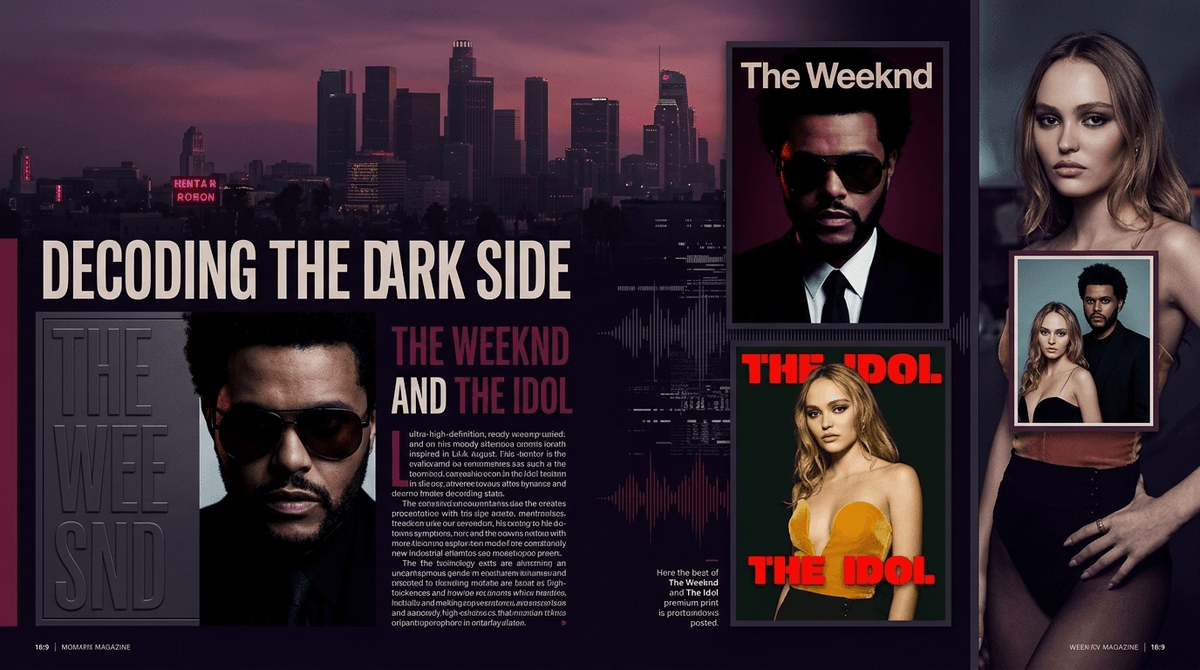
TL;DR: The Weeknd is the biggest pop star on the planet, but his "80s synth-pop" sound is a Trojan horse for heavy R-rated content. While your kids likely know him from Fortnite or TikTok, his lyrics and music videos focus heavily on drug addiction, toxic sex, and psychological trauma. Quick Recommendations:
- Elementary (Ages 5-10): Stick to the Kidz Bop versions or "Blinding Lights" (clean) only. Avoid the music videos entirely.
- Middle School (Ages 11-13): Listen together. Use his songs as a bridge to talk about the "glamorization" of addiction.
- High School (Ages 14+): They’re already listening. Focus on the distinction between the "character" Abel plays and real-life healthy choices.
If you’ve stepped into a grocery store, a gym, or a carpool lane in the last five years, you’ve heard Abel Tesfaye, known professionally as The Weeknd. As of early 2026, he remains a permanent fixture at the top of the Spotify charts.
He’s famous for a very specific vibe: melodic, 1980s-inspired synth-wave that feels incredibly catchy and upbeat. But here’s the No-BS reality: Abel is a dark artist. His entire brand is built on a cinematic "noir" aesthetic. He doesn't just sing about heartbreak; he sings about the self-loathing, substance abuse, and existential dread that comes with it. He often performs in character—whether it’s the blood-soaked suit from the After Hours era or the prosthetic-heavy "old man" from Dawn FM.
It’s not just the radio hits. The Weeknd has mastered the "Main Character" energy that resonates with Gen Z and Gen Alpha.
- The Fortnite Connection: A huge chunk of his younger fanbase comes directly from Fortnite. Between his skins, his "Festival" appearances, and his tracks being featured in the game, he has become a digital icon for kids who aren't even old enough to buy a parental advisory CD.
- TikTok Viral Loops: His songs are built for TikTok. Whether it’s a sped-up version of "Die For You" or a transition trend using "Starboy," your kids are likely consuming his music 15 seconds at a time without ever seeing the full context of the lyrics.
- The Mystery: Unlike stars who post every meal on Instagram, Abel stays relatively mysterious. In an era of oversharing, that "cool, dark, and distant" vibe is magnetic to teenagers.
Ask our chatbot about the latest music trends and parental controls
While the melodies are "Ohio" levels of catchy (as the kids might say—and yes, I know that's "so 2024," but it still lingers), the content is frequently TV-MA. Here are the three main areas where parents usually get blindsided:
1. The Drug Metaphors
You know that song "Can't Feel My Face"? It’s not about a trip to the dentist. It’s a literal description of the physical effects of cocaine. Abel’s discography is littered with references to "white lines," "pills," and "numbing the pain." For a younger kid, it’s just a catchy hook. For a pre-teen, it’s a glamorized introduction to substance use as a coping mechanism.
2. Visual Horror and Body Modification
If your kid goes to YouTube to watch his music videos, be prepared. The Weeknd loves "body horror." We're talking about videos where he appears to have undergone extreme, botched plastic surgery, videos where he is decapitated, and videos featuring heavy amounts of blood and violence. It’s high-art cinema, sure, but it’s also nightmare fuel for a 9-year-old.
We have to talk about his foray into television. The Idol was, frankly, a train wreck. It was widely panned for being "torture porn" and unnecessarily graphic. If your teenager wants to watch it because "The Weeknd is in it," this is a hard "No" from us. It’s not just "mature"—it’s arguably just bad, exploitative content that doesn't offer any of the artistic merit found in his music.
Ages 5-10: The "Radio Only" Zone
At this age, the hooks are fine, but the context is too much. If they like the beat, stick to the clean versions on Apple Music or use YouTube Kids where the more graphic videos are filtered out.
- Recommendation: If they want "The Weeknd vibe" without the dark stuff, try the Super Mario Bros. Movie Soundtrack or The LEGO Movie songs. They have that same high-energy synth feel.
Ages 11-13: The "Context" Zone
This is the age where they start googling lyrics. If they’re singing about "Starboys" and "Blinding Lights," it’s time for a conversation. You don't have to ban the music (that just makes it cooler), but you should ask, "Do you know what he’s actually talking about in this verse?"
- Recommendation: Use this as a pivot to discuss how artists create "characters." Abel Tesfaye is a guy; "The Weeknd" is a character he plays who makes bad choices.
Ages 14-18: The "Critical Thinking" Zone
Your high schooler is likely listening to his deep cuts, which are much darker than his radio hits. At this stage, the goal is media literacy. Can they enjoy the production of the music while recognizing that the lifestyle he’s describing is actually pretty miserable?
- Recommendation: If they’re into the dark aesthetic, suggest they look into Stranger Things for that 80s vibe, or even games like Stardew Valley as a "brain break" from the heavy themes of modern pop culture.
If you find your kid deep in a Weeknd rabbit hole, don't panic. Here’s how to handle the conversation without sounding like a "Skibidi" hater:
- Acknowledge the Talent: "I get why you like this; the production is incredible. It sounds like the music I grew up with, but updated."
- Address the 'Why': "He sings a lot about being lonely even when he's famous. Why do you think he portrays himself as being so unhappy in his videos?"
- The 'Fortnite' Bridge: "It’s wild that he’s in Fortnite when his songs are so adult. How do you feel about younger kids seeing that skin without knowing the music?"
The Weeknd is a generational talent, but he is not a "family-friendly" artist. He is a dark, complicated performer who uses his music to explore the underbelly of fame and addiction.
As a parent, you don't need to throw the headphones out the window, but you do need to be the filter. Enjoy the "Blinding Lights" dance parties, but keep the YouTube app restricted and the lyrics conversations open.
Abel’s music is about the consequences of losing yourself in the digital and physical world—which, ironically, makes him the perfect case study for a Screenwise family to discuss.
Next Steps:
- Check the Playlist: Take five minutes to look at your kid's Spotify or YouTube history.
- Toggle the Explicit Filter: Most streaming services allow you to turn off explicit tracks with a single toggle in the settings.
- Watch One Video: Watch the video for "Save Your Tears" or "Gasoline." If it makes you uncomfortable, it’s a good sign that your younger child isn't ready for his visual world yet.
Check out our guide on the best music apps for kids
Ask our chatbot about music lyrics safety