

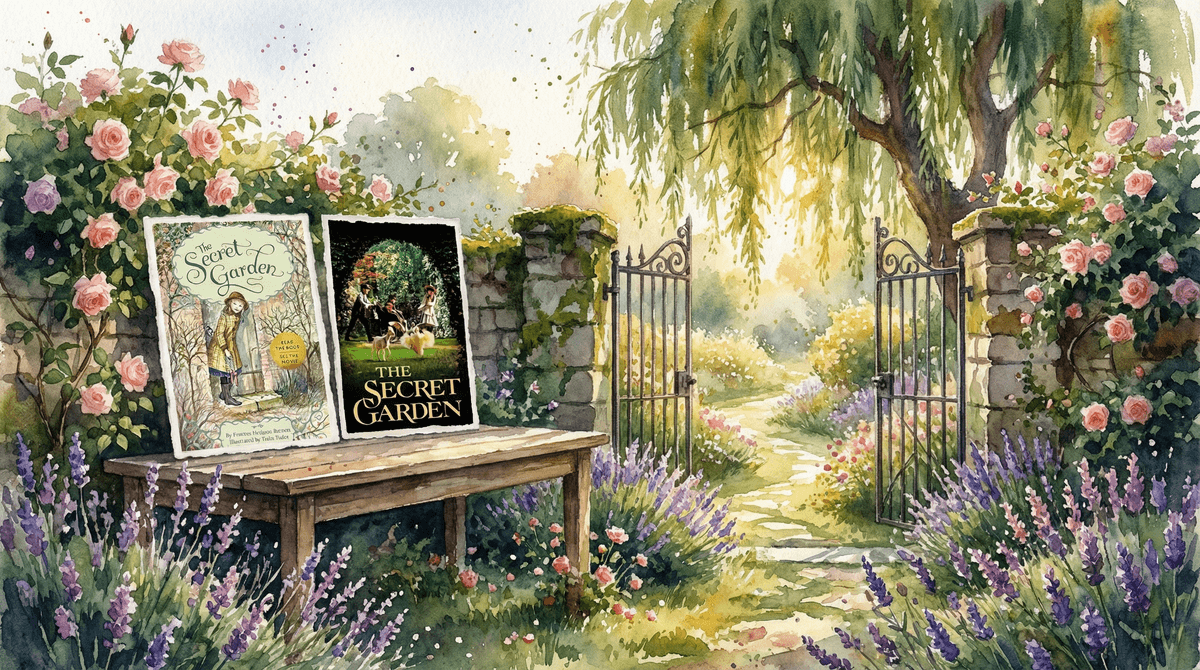
The Secret Garden is based on Frances Hodgson Burnett's beloved 1911 novel, and there have been several film adaptations over the years. The most popular versions are the 1993 film starring Maggie Smith and the 2020 reimagining with Colin Firth. Both tell the story of Mary Lennox, a recently orphaned girl sent to live with her uncle in a mysterious English manor, where she discovers a hidden, neglected garden—and through tending it, helps heal herself and those around her.
The story tackles some heavy themes: grief, loss, isolation, and emotional neglect—but it does so through the lens of hope, friendship, and the restorative power of nature and connection. It's not your typical kids' movie with talking animals or comic relief sidekicks. It's quieter, more contemplative, and honestly? That's exactly what makes it special.
With 92% of families in our community using some form of TV or streaming, and about 40% of families letting kids watch Netflix independently, it's worth knowing which films can do more than just occupy time—they can actually open up meaningful conversations.
There's a reason this book has been adapted multiple times and continues to captivate audiences. The Secret Garden speaks to something universal: the experience of feeling alone, misunderstood, or stuck, and then finding your way back to life through connection and purpose.
Mary starts the story as a spoiled, disagreeable child who's never been truly loved or seen. Her transformation isn't instant or magical—it's gradual, earned through hard work, curiosity, and relationships with people who challenge her (like the blunt Yorkshire maid Martha and her nature-loving brother Dickon).
For kids navigating their own emotional landscapes—especially post-pandemic when so many experienced isolation and disruption—this story can be incredibly validating. It says: it's okay to start in a dark place. Growth is possible. You're not broken.
Ages 6-8: The story might feel slow-paced for younger viewers used to faster-paced content. The themes of death and parental loss are present but handled gently. The 2020 version has some fantasy elements that might be confusing or slightly scary (animated garden sequences). Best watched together with discussion.
Ages 9-12: This is the sweet spot. Kids this age can grasp the emotional complexity, appreciate the character development, and engage with the themes meaningfully. They're old enough to understand grief and loneliness without being overwhelmed by it.
Ages 13+: Tweens and teens might initially resist what they perceive as a "kid's movie," but many find unexpected depth in it. The story's exploration of mental health , trauma responses, and healing can resonate deeply at this age.
Content notes: Both versions include themes of death (Mary's parents die of cholera), emotional neglect, and a child with a disability. The 1993 version is more faithful to the book's period setting; the 2020 version takes more creative liberties with magical realism elements.
About 50% of families in our community watch Disney+ together, and 32% supervise Amazon Prime viewing—and The Secret Garden (available on various platforms depending on the version) is an excellent choice for that co-viewing time.
This isn't background noise content. It requires attention and engagement. But that's actually a feature, not a bug. In a media landscape where so much content is designed to be consumed passively or binge-watched mindlessly, The Secret Garden demands something different: presence and reflection.
The film also offers a counternarrative to the constant stimulation many kids experience. Mary's healing comes through slowing down, observing nature, physical work, and face-to-face relationships. In our hyper-digital world, that message hits differently now than it might have even a decade ago.
Conversation Starters
After watching, try asking:
- "Why do you think Mary was so mean at the beginning?"
- "What changed for her when she started working in the garden?"
- "Have you ever felt like Colin—stuck or like something was wrong with you?"
- "What helps you feel better when you're sad or angry?"
These questions can open up conversations about emotional regulation, the importance of being outside, and how relationships help us heal—topics that research shows are crucial for kids' wellbeing.
The 1993 version is more traditional, faithful to the book's Victorian setting, and features outstanding performances (Maggie Smith is perfection). It's slower-paced but emotionally rich.
The 2020 version modernizes some elements, adds fantasy sequences, and features more diverse casting. It's visually stunning but takes more creative liberties that purists might not love.
Neither is "better"—they're different experiences. The 1993 version feels more grounded; the 2020 version feels more dreamlike. Both are worth watching, honestly.
In a streaming landscape where Cocomelon and YouTube shorts dominate younger viewing habits, and TikTok captures older kids' attention, The Secret Garden offers something increasingly rare: a story that rewards patience and invites introspection.
It's not going to compete with Roblox for excitement or Bluey for humor. But it offers something those can't: a deep, nuanced exploration of grief, healing, and transformation that can spark conversations your family might not otherwise have.
- Choose your version based on your child's age and preference for traditional vs. modern storytelling
- Plan to watch together rather than letting kids view independently
- Follow up with the book if your child connects with the story—the novel offers even more depth
- Consider a nature project inspired by the film—starting a small garden, even just herbs in pots, can be a tangible way to extend the story's themes
- Explore other classic children's literature adaptations that offer similar depth
The Secret Garden isn't a perfect movie for every family or every moment. But for the right kid at the right time? It can be genuinely transformative. And in a media environment that often feels overwhelming and extractive, that's worth celebrating.