

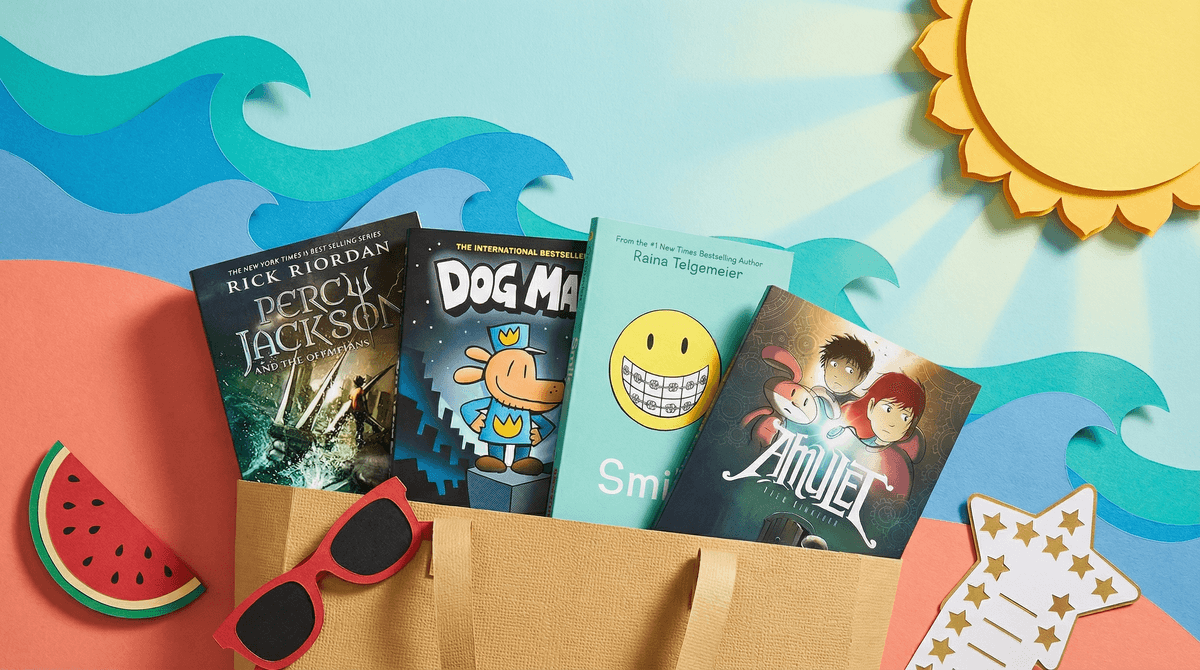
A summer reading challenge is basically a structured way to keep kids reading between June and September—whether it's through your local library's program, a school initiative, or something you cobble together at home. The idea is simple: set a reading goal, track progress, maybe earn some rewards along the way.
But here's the thing: summer reading challenges have become this weird pressure point for parents. Are we doing enough? Should we bribe them with prizes? Is it okay if they just reread Dog Man for the 47th time? And honestly, the bigger question underneath it all: how do we make reading feel like the fun, screen-free activity it actually can be, instead of another thing on the summer to-do list?
Look, I'm not here to guilt you about summer slide (though it's real—kids can lose 2-3 months of reading progress over summer break). But here's what matters more: reading is one of the few activities that genuinely competes with screens in terms of engagement, imagination, and that delicious dopamine hit when you're deep in a good story.
The problem? Kids need momentum. When school ends and structure disappears, reading often goes with it—especially when YouTube, Roblox, and TikTok are literally designed to grab and hold attention in ways that books... aren't.
A good summer reading challenge creates that structure without feeling like homework. It makes reading visible, social, and goal-oriented—all things that work really well for kids' brains.
Not all summer reading programs are created equal, and some can actually backfire:
The over-incentivized trap: When kids get prizes for every book (pizza! toys! gift cards!), reading becomes transactional. They start optimizing for quantity over quality—hello, 50-page early readers when your kid could handle chapter books.
The competitive nightmare: Some programs pit kids against each other with leaderboards and public tracking. Great for your naturally motivated reader, soul-crushing for your reluctant one.
The "approved books only" problem: Rigid lists that exclude graphic novels, audiobooks, or rereads can make the whole thing feel joyless and restrictive.
Ages 4-7: Make It Tactile and Visual
Young kids need to see their progress. Forget abstract goals.
- Paper chain: one link per book, watch it grow across the room
- Marble jar: one marble per book, pick a reward when it's full
- Reading passport: stamp or sticker for each book, make it feel like collecting
- Read-aloud still counts (and should be most of their "reading" anyway)
Reality check: At this age, the goal is building positive associations with books. That's it. If they want you to read Dog Man twelve times, that's actually fine.
Ages 8-11: Leverage Their Interests
This is the age where kids start having strong opinions about what they like, and where screen time competition gets real.
- Let them count audiobooks (yes, listening is reading
 )
) - Genre challenges: read one mystery, one fantasy, one realistic fiction, etc.
- Series momentum: if they love Percy Jackson, let them barrel through the whole series—that's not cheating, that's building a reading habit
- Time-based goals often work better than book counts: "20 minutes a day" vs. "20 books this summer"
The graphic novel question: Yes, they count. Dog Man, Amulet, Smile—these are gateway drugs to reading, not lesser forms of it.
Ages 12+: Give Them Agency
Teens smell BS from a mile away. If your summer reading challenge feels like you're trying to trick them into learning, it's dead on arrival.
- Let them set their own goals (and let them be modest—2 books over summer break is infinitely better than 0)
- Book clubs with friends (even if it's just texting about what they're reading)
- Connect books to their interests: gaming? Try Ready Player One. True crime podcasts? A Good Girl's Guide to Murder.
- Audiobooks while doing literally anything else (walking the dog, doing chores, playing Minecraft)
Hot take: If your teen reads one book they actually care about, that's a successful summer. Don't die on the hill of quantity.
If your library's program isn't hitting right, here's a simple framework:
- Set a realistic goal together: Not what you wish they'd read, what they'll actually do
- Track it visibly: Chart on the fridge, app, whatever—kids like seeing progress
- Build in flexibility: Rereads count. Audiobooks count. Graphic novels count. Magazines might count depending on your family's vibe.
- Reward the habit, not the output: Celebrate reading time, not book count
- Make it social: Talk about books at dinner, let them tell you the plot, ask questions
The reward question: Small rewards for milestones are fine (ice cream after 5 books, picking a family movie night). Just avoid making every single book transactional.
The screen time connection: A solid summer reading habit is one of the best natural screen time reducers. Kids reading for 30 minutes a day are kids not scrolling for 30 minutes. But you can't force this—if reading feels like punishment, they'll just resent it and reach for their phone harder.
Reluctant readers are not lost causes: They just haven't found their thing yet. Try audiobooks. Try graphic novels. Try books about YouTube stars or Roblox. Try literally anything that gets words in front of their eyeballs.
You reading matters more than you think: Kids who see adults reading for pleasure are way more likely to read themselves. If you're doomscrolling on your phone every night, that's the habit they're learning.
Summer reading challenges work when they're motivating without being stressful, structured without being rigid, and focused on building a habit rather than hitting an arbitrary number.
The goal isn't to create a tiny literary scholar. It's to help your kid discover that books can be just as engaging as screens—and sometimes more so. That reading can be a refuge, an adventure, a way to understand themselves and the world.
Start small. Let them lead. Count the wins. And if all they read this summer is the same graphic novel series over and over? That's still a kid who's reading.
- Check out your local library's summer reading program (but don't feel obligated to follow it exactly)
- Sit down with your kid and set a goal together—emphasis on together
- Stock up on books they'll actually want to read (library holds are your friend)
- Consider audiobooks for long car rides, chores, or before bed
- Model reading yourself—put your phone down and pick up a book
Need book recommendations for specific ages or interests? Get summer reading recommendations by age—it's weirdly good at matching kids with books they'll actually finish.