The "True Crime" gateway drug
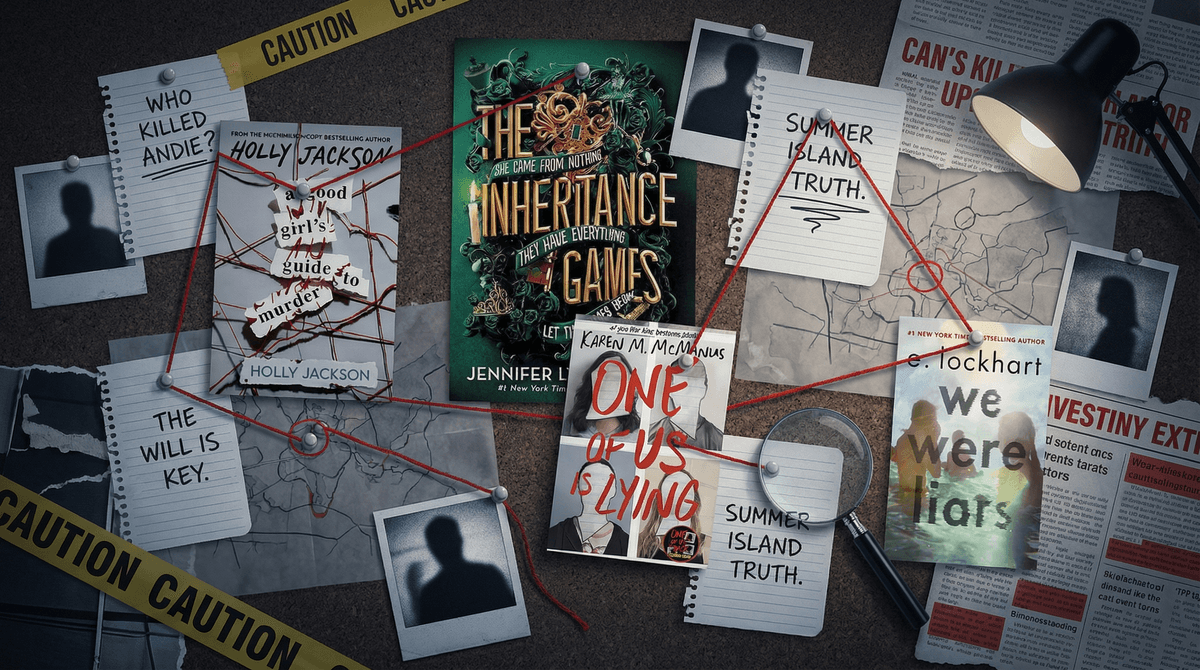
If you’re wondering why this specific book is currently glued to your teenager’s hand, look at the format. Holly Jackson isn't just writing a standard narrative; she’s built a story that looks and feels like a podcast or a Reddit deep-dive. Between the chapters, you get Pip’s "capstone project" logs, interview transcripts, and maps of the town.
For a generation raised on the quick hits of social media, this mixed-media approach is a genius move. It breaks up the "wall of text" that often intimidates reluctant readers and turns the book into a game. You aren't just reading about a girl solving a crime; you’re looking at the same evidence she is. This is exactly how mystery books for middle graders are evolving to compete with TikTok, and A Good Girl's Guide to Murder is the gold standard for that transition.
Why the "BookTok" hype is actually earned
It’s easy to be skeptical when a book goes viral on social media, but the popularity here isn't just about a pretty cover or a trendy aesthetic. This story taps into the very real teen reading habits we’re seeing right now: a fascination with the "citizen sleuth" and a deep skepticism of how adults handle authority.
Pip is a great protagonist because she’s obsessed in a way that feels relatable. She isn't a superhero; she’s a smart, slightly over-caffeinated senior who realizes her town’s peace is built on a lie. The book handles the Singh family’s story with a lot of weight, showing how a community can collectively decide someone is a villain based on prejudice rather than proof. It’s a solid entry point for talking about how media narratives are formed and why "the official story" isn't always the whole story.
The friction: What you’ll actually worry about
The "murder" in the title isn't a metaphor. While this isn't a "slasher" book with gore on every page, it deals with some heavy, grounded reality. The central mystery involves the death of a teenage girl and the subsequent suicide of her boyfriend.
The suicide isn't just a background detail; Pip examines the mechanics of it as part of her investigation. If your child is sensitive to themes of self-harm or the aftermath of a suicide, this is where you’ll want to pause. It’s handled as a procedural mystery element, but it’s still there.
There’s also a level of "teen realism" that some parents might find spicy: underage drinking at "calamity parties," mentions of drug dealing, and Pip herself receiving some fairly menacing threats. If you’re trying to gauge if they’re ready for the intensity, our guide to thriller books for teens can help you figure out where this sits on the spectrum from "Nancy Drew" to "Silence of the Lambs."
If they love Pip, what's next?
If they finish this and immediately ask for the sequel—Good Girl, Bad Blood—that’s a win. You’ve officially got a reader on your hands. This book is the perfect bridge for kids who have outgrown middle-grade series but aren't quite ready for the nihilism of adult true crime. It’s smart, it’s fast, and it actually respects the reader's ability to keep up with a complex, multi-layered plot. Just be prepared for them to start eyeing their own school projects with a much more investigative, skeptical lens.