The "George and Harold" logic
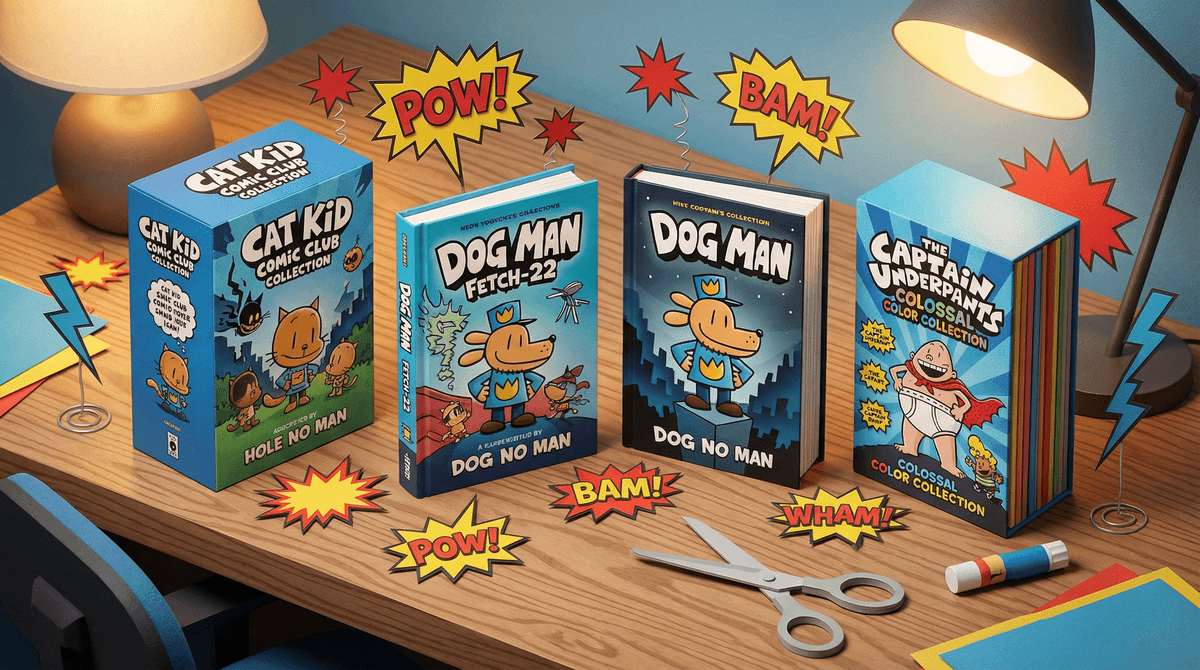
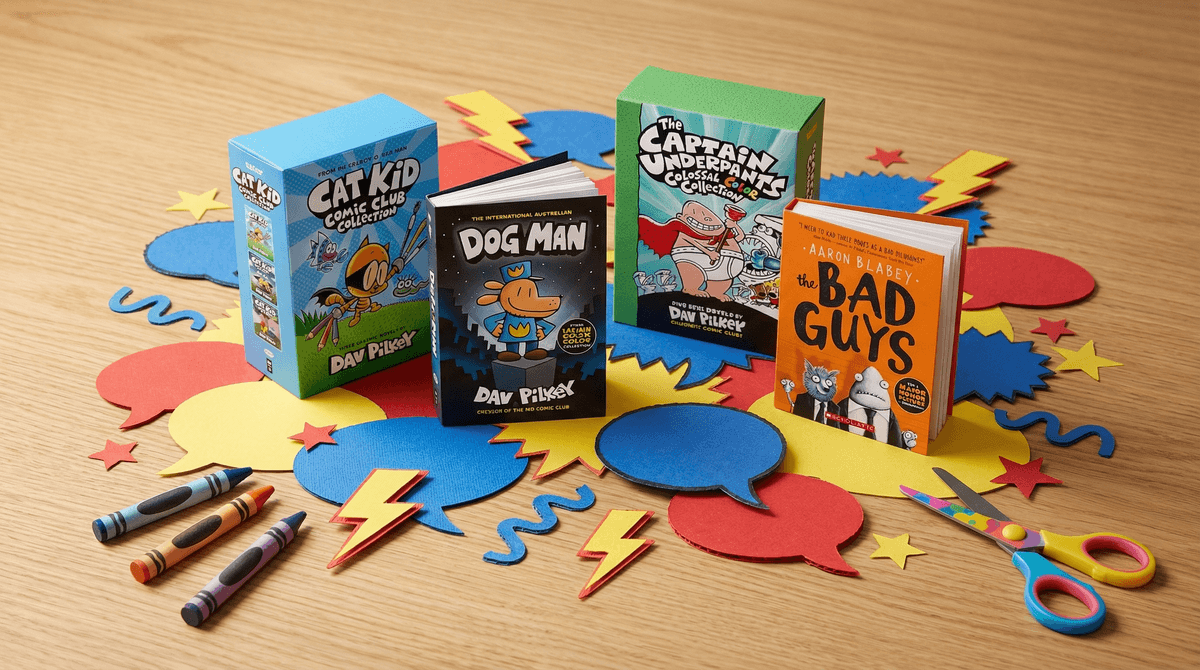
To understand why Dog Man works, you have to look at the framing. Dav Pilkey presents these stories as comics written and drawn by George and Harold, the protagonists from his Captain Underpants series. This isn't just a cute backstory; it's the secret sauce. Because the books are "created" by fourth graders, the art is intentionally kinetic and the humor is unapologetically juvenile.
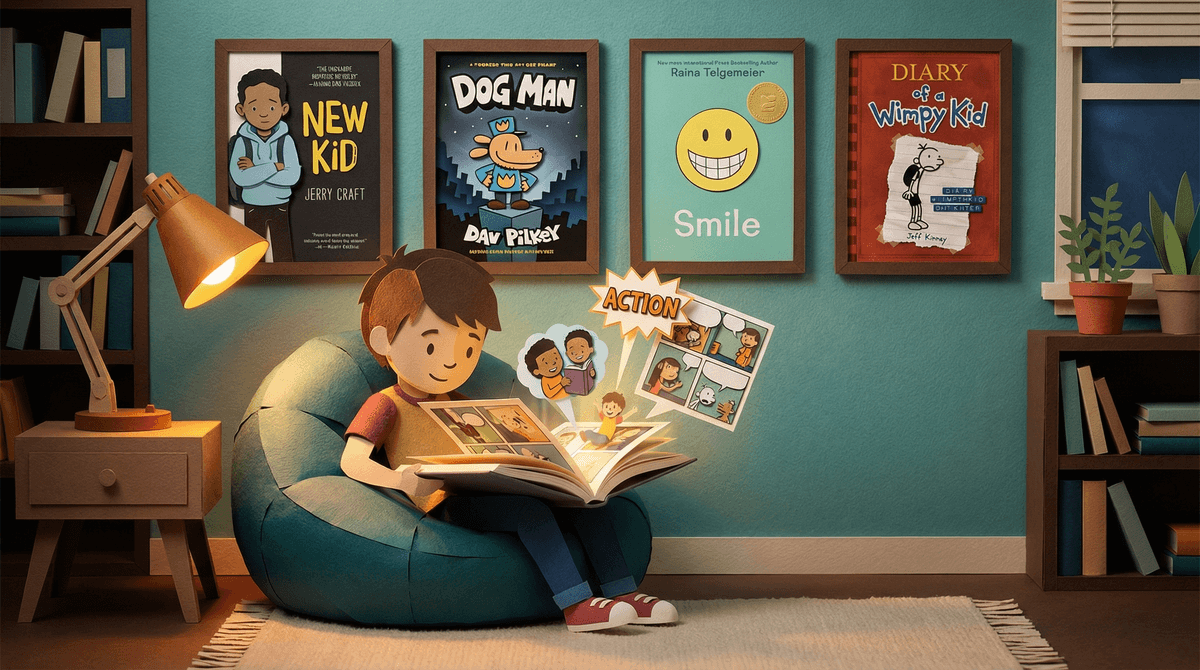
This removes the intimidation factor that usually comes with a 200-page book. When a kid who struggles with literacy looks at these pages, they don't see a wall of text. They see something they feel like they could have drawn themselves. If you are trying to figure out how to bridge the gap between illustrations and text-heavy stories, this series is the ultimate low-friction entry point. It meets kids exactly where they are, rather than demanding they level up before they're ready.
Why the "lowbrow" humor is a feature
You will see parents on Reddit or Amazon losing their minds over the potty humor. They aren't wrong—there is a lot of it. But for a certain type of reader, that "forbidden" energy is what makes the book magnetic. It feels like something the teacher wouldn't necessarily approve of, which gives the act of reading a rebellious edge.
If you can get past the fart jokes, you'll notice that Pilkey sneaks in some surprisingly heavy lifting. He weaves in references to classic literature and themes of redemptive character arcs. The villain, Petey the Cat, undergoes genuine growth over the series, moving from a standard antagonist to a complex father figure. It's a masterclass in finding age-appropriate stories that build real-world empathy while keeping the tone light enough to stay fun.
The "Flip-O-Rama" and tactile engagement
One thing that doesn't translate to an e-reader or a summary is the Flip-O-Rama. These are pages where the reader places their hand on a designated spot and flips the page back and forth to create a DIY animation. It's a brilliant bit of low-tech interactivity. It forces the child to physically engage with the book, turning a passive activity into something participatory.
If your kid has already burned through the series and you're looking for the next step, you might want to look into modern books for kids who "hate" reading. The goal is to keep that momentum going before they decide that books are "boring" compared to YouTube.
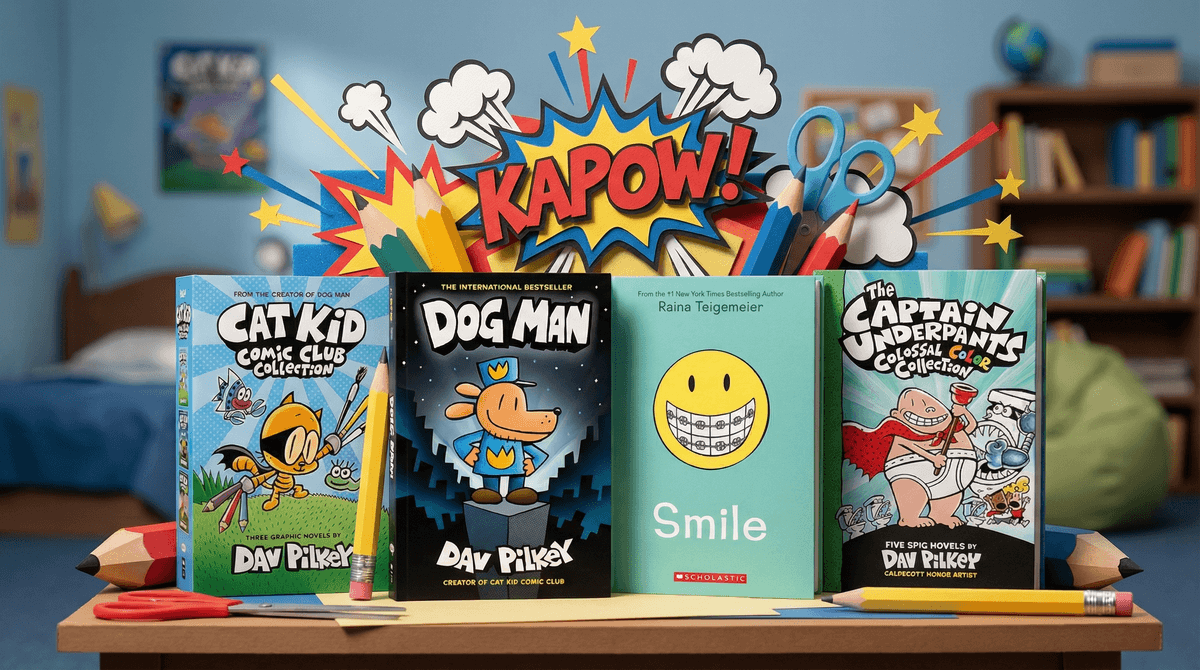
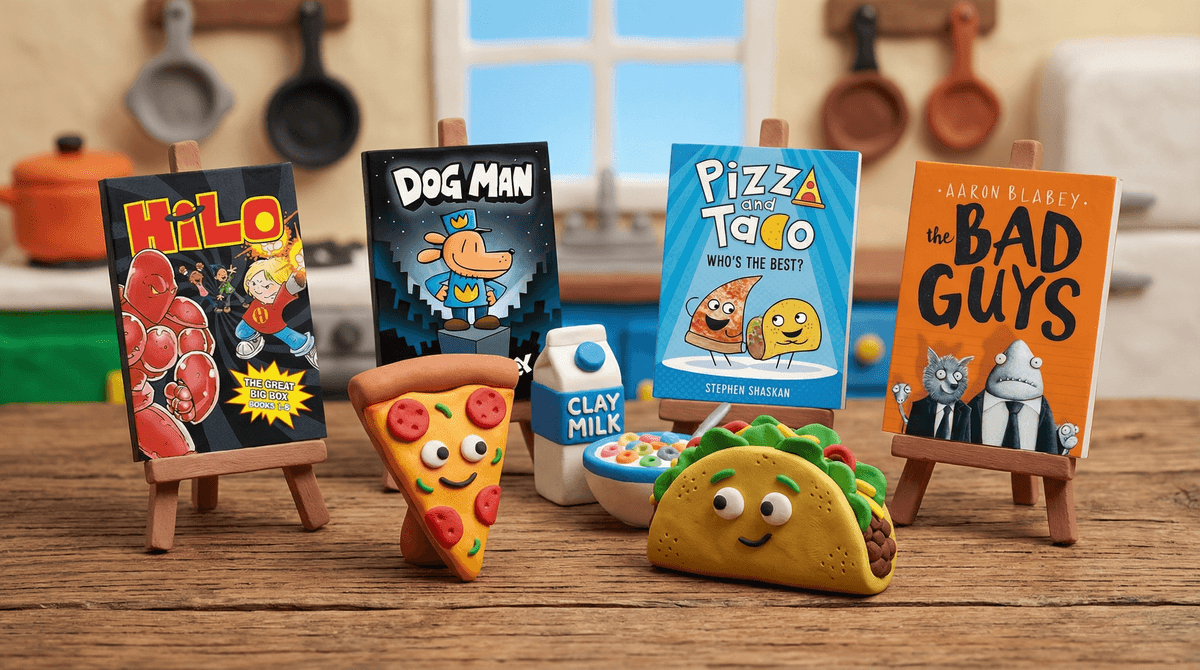
If they liked Dog Man, try this
The 4.8-star Amazon rating is a testament to the "Pilkey effect." Once a kid finishes one, they usually want the next ten. If you're worried about the "brain rot" factor of graphic novels, don't be. These are perfect bridge series that build the stamina needed for longer, text-only novels later.
- For the artist: If they love the "George and Harold" comic-making aspect, grab some blank comic panels and let them iterate on Dog Man's world.
- For the reluctant reader: Don't push them into "serious" books too fast. Let them dwell in the graphic novel space. It’s building the habit of finishing a book, which is a massive psychological win.
- For the parent who wants more substance: Pay attention to the "Supa Buddies" and the themes of found family. There’s more heart here than the "All Hero" tagline suggests.