

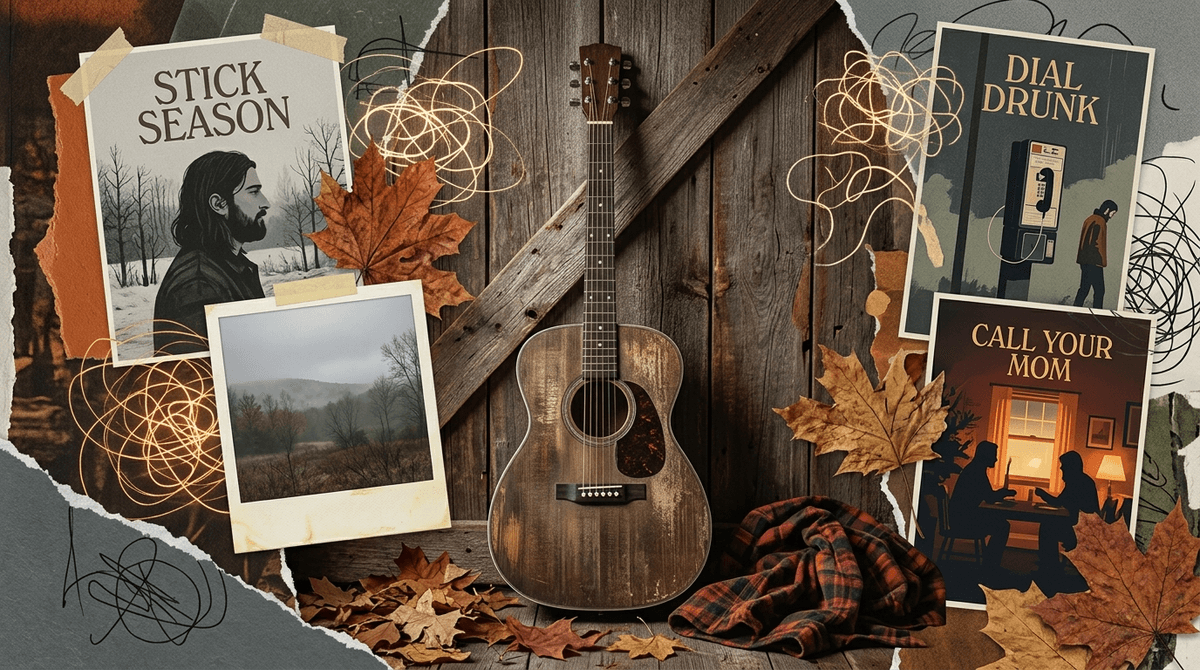
TL;DR: Noah Kahan is the "folk-pop therapist" your teen is likely obsessed with. His music is generally safe, deeply emotional, and centered on themes of mental health, small-town burnout, and family dynamics. If your kid is wearing a flannel in 80-degree weather and talking about "Stick Season," they’re part of the "Busyhead" generation. It’s a great bridge for conversations about anxiety and therapy, provided you're okay with some "F-bombs" and honest depictions of drinking.
Quick Links for the "Busyhead" Parent:
If you haven't heard the name yet, just wait. By now, in early 2026, Noah Kahan has transitioned from "that guy who went viral on TikTok" to a legitimate stadium-filling superstar. He’s often called the "Jewish Capaldi" or the "Folk-Pop Taylor Swift," but to his fans, he’s just the guy who understands what it’s like to have a "Busyhead"—a term he coined for the overactive, anxious brain that many of our kids are dealing with today.
His sound is a mix of acoustic folk and high-energy indie rock (think: Mumford & Sons but with more clinical depression and better lyrics). His 2022 album, Stick Season, became a cultural touchstone for Gen Z and Gen Alpha, turning the transition from autumn to winter in Vermont into a metaphor for feeling stuck, lonely, and nostalgic.
Ask our chatbot about why Noah Kahan is trending with middle schoolers
In a world of hyper-produced, AI-generated pop and the endless scroll of TikTok, Noah Kahan feels... real. He’s messy. He talks about his therapist. He talks about taking Zoloft. He talks about his parents’ divorce and the suffocating feeling of staying in your hometown while everyone else moves on.
For a generation that has been through a global pandemic, a climate crisis, and the general firehose of the internet, Kahan’s music is a pressure valve. It’s "sad music you can scream-along to."
Our community data shows that 68% of teens aged 13-17 have at least one Noah Kahan song on their primary Spotify playlist. Interestingly, he’s one of the few artists where the "parent-child overlap" is high—you might actually find yourself liking this music, too.
Noah Kahan doesn't just sing about mental health; he’s built an entire ecosystem around it. He founded The Busyhead Project, which has raised millions for mental health organizations.
When your teen says they are a "Busyhead," they aren't just identifying as a fan; they are often signaling that they struggle with anxiety or depression. In the Screenwise ecosystem, we see this as a "High-Value Digital Touchpoint." It’s an opportunity. Instead of worrying that the music is making them sad, realize that the music is giving them the vocabulary to tell you they are sad.
If you want to understand the "lore" your teen is consuming, check out these specific tracks and videos:
This is the anthem. It’s about the period in Vermont after the leaves fall but before the snow comes—a gray, ugly time. It’s a metaphor for the "in-between" stages of life.
- Parent Note: It’s catchy, but the lyrics mention "dochel" (a specific brand of beer) and "whiskey," alongside themes of abandonment.
One of his biggest hits. It’s a raw, somewhat uncomfortable song about getting arrested for a DUI and using your one phone call to call an ex who doesn't want to talk to you.
- The No-BS Take: It’s a great song, but it depicts a pretty dark moment. It’s not "glorifying" drinking so much as it is showing the pathetic aftermath of it. Good for a conversation about choices.
Warning: This one is a tear-jerker. It’s written from the perspective of a friend trying to keep someone alive during a mental health crisis.
- Why it matters: It’s incredibly powerful and has become a "stay alive" anthem for kids on TikTok. If your kid is listening to this on repeat, it’s worth a gentle check-in.
Ages 10-12 (Tweens): They are likely hearing the "clean" versions on the radio or seeing snippets on YouTube. The themes of nostalgia and "feeling stuck" might go over their heads, but they’ll love the melodies.
- Watch out for: Casual mentions of medication and drinking.
Ages 13-15 (Young Teens): This is the sweet spot. They are navigating social anxiety and identity. Kahan’s lyrics about "not being enough" or "changing for people" will hit home.
- Watch out for: The "F-word" appears frequently in his live versions and some studio tracks. If you’re a "no-swearing" household, you’ll need the edited versions.
Ages 16+: They are likely using Kahan as the soundtrack to their own "main character" moments—driving around, thinking about college, or dealing with breakups.
It’s easy to look at a kid listening to "sad folk" and worry they’re spiraling. But in the case of Noah Kahan, the culture is actually quite positive. It’s a community of kids who are pro-therapy and pro-vulnerability.
However, here’s the no-BS part: Noah’s lyrics aren't always "Role Model" material. He sings about:
- Alcohol as a Crutch: He’s honest about using booze to numb out.
- Parental Resentment: Some songs touch on the "sins of the father" and family trauma.
- Self-Deprecation: He calls himself "mean," "boring," and "a bitch" in various songs.
This isn't "brain rot" like some Roblox brain-numbing content, but it is heavy. It’s "Big Emotion" media.
Don't be the parent who tries to be "cool" by using the slang, but do be the parent who knows the lyrics.
Try these conversation starters:
- "I heard that 'Stick Season' song. The lyrics about feeling stuck in a small town are pretty intense. Do you ever feel like you're 'stuck' here?"
- "I noticed Noah Kahan talks a lot about his therapist. Do your friends actually talk about therapy that openly at school?"
- "What’s your favorite lyric of his right now?" (Teens love quoting lyrics—it’s their love language).
Ask our chatbot for more conversation starters about teen culture
Noah Kahan is a win for intentional parents. He’s a talented musician who encourages emotional literacy. Yes, he swears. Yes, he talks about beer and Zoloft. But he’s also teaching a generation of boys that it’s okay to be vulnerable and a generation of girls that their "busy heads" are nothing to be ashamed of.
If your teen is into Noah Kahan, take it as a sign that they are looking for depth. Grab a flannel, turn up the acoustic guitar, and maybe—just maybe—use it as a reason to talk about the stuff that actually matters.
- Listen to the Stick Season (We'll All Be Here Forever) album on Spotify to get the vibe.
- Check your teen's TikTok feed (if you have shared access) to see how they are engaging with the "Busyhead" community.
- Read our guide on mental health and social media to see how these trends intersect.