

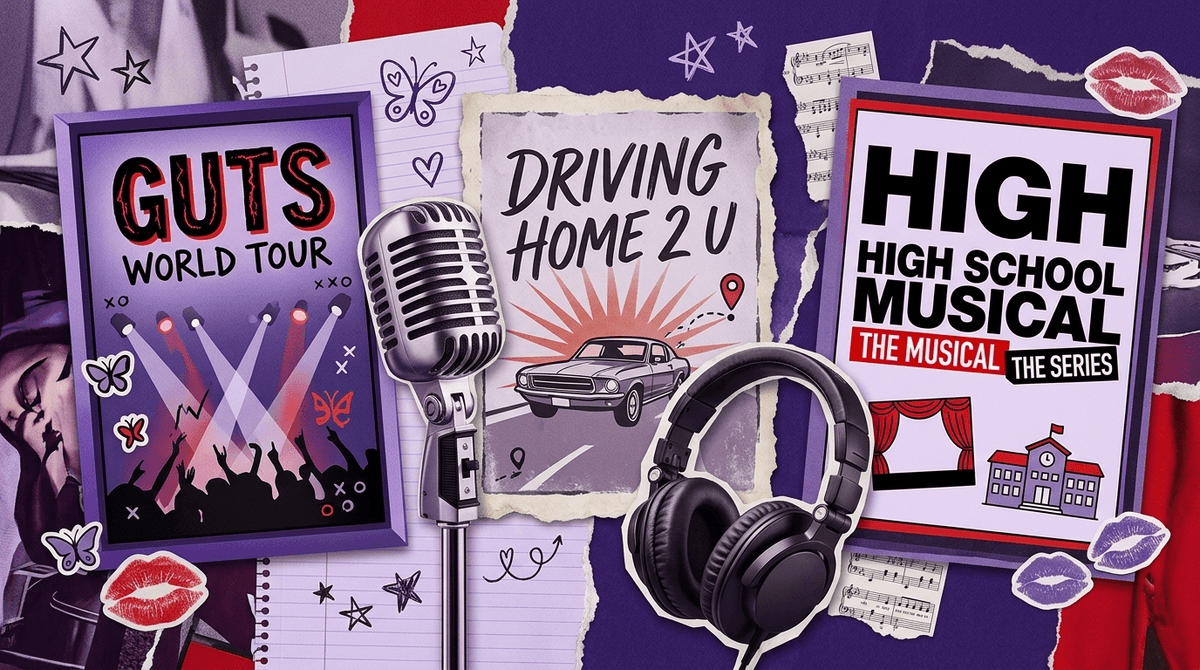
TL;DR: Olivia Rodrigo has officially moved past the "Disney kid" label and into her "OR3" era. She’s the voice of a generation dealing with late-stage adolescence, social media-induced envy, and the messy transition to adulthood. While her music is incredibly high-quality, it comes with a "Parental Advisory" sticker for a reason. If your kid is listening, expect raw emotions, some choice four-letter words, and a lot of conversations about "main character energy."
Quick Links for the OR3 Era:
- The Music: Olivia Rodrigo on Spotify
- The Visuals: Olivia Rodrigo's YouTube Channel
- The Backstory: High School Musical: The Musical: The Series
- The Concert Experience: GUTS World Tour on Netflix
It’s hard to believe we’re already five years out from the "Drivers License" cultural reset. In early 2021, Olivia Rodrigo was a teenager crying in the suburbs; by early 2026, she’s a global fashion icon and a three-album powerhouse. If you feel like your car rides have been dominated by visceral pop-punk anthems or gut-wrenching piano ballads lately, you aren't alone.
According to Screenwise community data, Olivia Rodrigo remains the #1 most-searched musical artist for parents of kids aged 10–15. Whether they’re watching her music videos on YouTube or making "Get Him Back!" edits on TikTok, she is the undisputed soundtrack of the middle and high school experience right now.
But as she pivots into her "OR3" era—marked by more experimental sounds and high-fashion aesthetics—parents are asking: Is she still "safe" for my 11-year-old? And why is my 14-year-old acting like a breakup with a boy she never dated is the end of the world?
In the world of stan culture, an "era" defines an artist's current aesthetic, sound, and public persona.
- The SOUR Era (2021): Purple, stickers, teenage heartbreak, and the "Drivers License" phenomenon.
- The GUTS Era (2023-2025): Red/Purple, pop-punk, "Vampire," and songs about the social awkwardness of being 19.
- The OR3 Era (2026): This is where we are now. It’s more sophisticated. The fashion has moved from "thrift store chic" to "runway edgy." The music is leaning into a more mature, sometimes indie-rock or synth-heavy sound.
Olivia isn't just a singer anymore; she’s a brand. She’s the girl who represents the "girls' girl" movement while being brutally honest about how hard it is to actually be a girls' girl when you're feeling jealous or insecure.
Learn more about how "Stan Culture" affects your child's digital identity
It’s easy to dismiss pop music as "brain rot" (that wonderful term our kids use for anything low-effort or over-stimulating), but Olivia Rodrigo is the opposite. She is a songwriter’s songwriter.
Kids—especially the "Zalpha" generation (those on the cusp of Gen Z and Gen Alpha)—resonate with her because she validates their biggest feelings. At 12 or 13, everything feels like a 10/10 on the intensity scale. Olivia’s music doesn't tell them to "calm down"; it screams right along with them.
She also bridges the gap between the "Disney Era" and the "Adult Era." Many of our kids grew up watching her on High School Musical: The Musical: The Series, so they feel a parasocial sense of loyalty to her. They’ve watched her grow up, and now they’re growing up with her.
Let’s get into the no-BS part. Olivia Rodrigo is not JoJo Siwa (thank goodness), but she’s also not a sanitized Disney princess anymore.
1. The Lyrics (Language & Themes)
Olivia uses the F-word and other profanities. In the GUTS era, she leaned heavily into "all-american bitch" and "bad idea right?" which deal with swearing and the complexities of "situationships." The OR3 era continues this trend of adult language. If you have a younger child (under 12), you’ll definitely want to look for the "Clean" versions of her albums on Apple Music or Spotify.
2. Social Comparison and Envy
A major theme in Olivia’s music is "jealousy, jealousy." She sings about looking at Instagram and feeling like everyone else is prettier, thinner, and more successful. While this is a great conversation starter, it can also reinforce those feelings if a child is already struggling with body image or social anxiety.
3. The "Vampire" of it all
Themes of being "used" by older guys or "fame-hungry" friends are common. These are heavy topics for a 5th grader but very relevant for a 10th grader.
Ages 9–12: The "Clean Version" Crowd
At this age, kids love the beat and the "vibe." They likely know her from Roblox music codes or TikTok trends.
- Recommendation: Stick to the "Clean" edits.
- Watch: High School Musical: The Musical: The Series on Disney+. It’s wholesome, funny, and shows her early talent.
- Alternative: If you want the "sad girl pop" vibe without the edge, try Sabrina Carpenter (though check the lyrics there too!) or Gracie Abrams.
Ages 13–15: The "Deep Dive" Fans
This is Olivia’s core demographic. They are analyzing her lyrics like they’re studying for the SATs.
- Recommendation: Let them listen, but use it as a bridge. If she’s singing about "social suicide," ask them what that looks like at their school.
- Watch: Olivia Rodrigo: driving home 2 u on Disney+. It’s a documentary about her making the first album and is actually quite inspiring from a creative standpoint.
Ages 16+: The "OR3" Loyalists
By now, they’re probably driving to her music themselves.
- Recommendation: They’re going to hear it all. Focus on the themes of self-worth and the "high-fashion pivot." Is the "OR3" aesthetic making them feel like they need to buy a $400 corset, or do they just like the music?
Find an "Olivia Rodrigo" alternative playlist for younger kids
You don't need to know every lyric to have a real conversation. You just need to show interest without being "cringe" (though, let’s be honest, we’re parents—everything we do is cringe).
- The "Envy" Talk: "I heard that song 'jealousy, jealousy.' Do you ever feel that way when you're scrolling through TikTok?"
- The "Language" Talk: "I know Olivia swears in her songs to show she's frustrated. Do you think there’s a difference between singing those words and using them in real life?"
- The "Marketing" Talk: "I noticed her new 'OR3' style is very different. Why do you think artists change their 'look' every few years?"
If you’re looking to diversify their playlist or media diet with similar "coming-of-age" vibes, here are some Screenwise-approved picks:
Ages 14+. This movie captures the "Olivia Rodrigo energy" perfectly—the angst, the awkwardness, and the feeling that the world is ending because of a text message.
Ages 8+. Okay, hear me out. Olivia fans often love "cozy" aesthetics and emotional storytelling. Stardew Valley offers a peaceful escape where they can build their own world, far away from the social pressures Olivia sings about.
Ages 12+. Olivia’s real-life best friend. His music covers similar themes of heartbreak and longing but from a different perspective. His YouTube vlogs are also surprisingly grounded.
Ages 12+. This show is basically an Olivia Rodrigo song come to life. It’s all about summer romance, sibling dynamics, and the "main character" feeling.
Olivia Rodrigo isn't a "danger" to your kids, but she is a sign that they are growing up. Her music is a reflection of the modern teenage experience: loud, messy, insecure, and deeply creative.
In the OR3 era, she’s pushing boundaries, but she’s still that same girl who was crying in her car five years ago. If you can handle a few F-bombs and some dramatic eye-rolls, you might find that her music is actually one of the best ways to understand what’s going on in your kid’s head.
Next Steps:
- Check your kid’s Spotify settings to see if "Explicit Content" is toggled on or off.
- Ask your kid which "era" of Olivia is their favorite. (If they say "SOUR," they’re nostalgic; if they say "OR3," they’re ready for something new).
- Take the Screenwise Survey to see how your family's music habits compare to your community.