

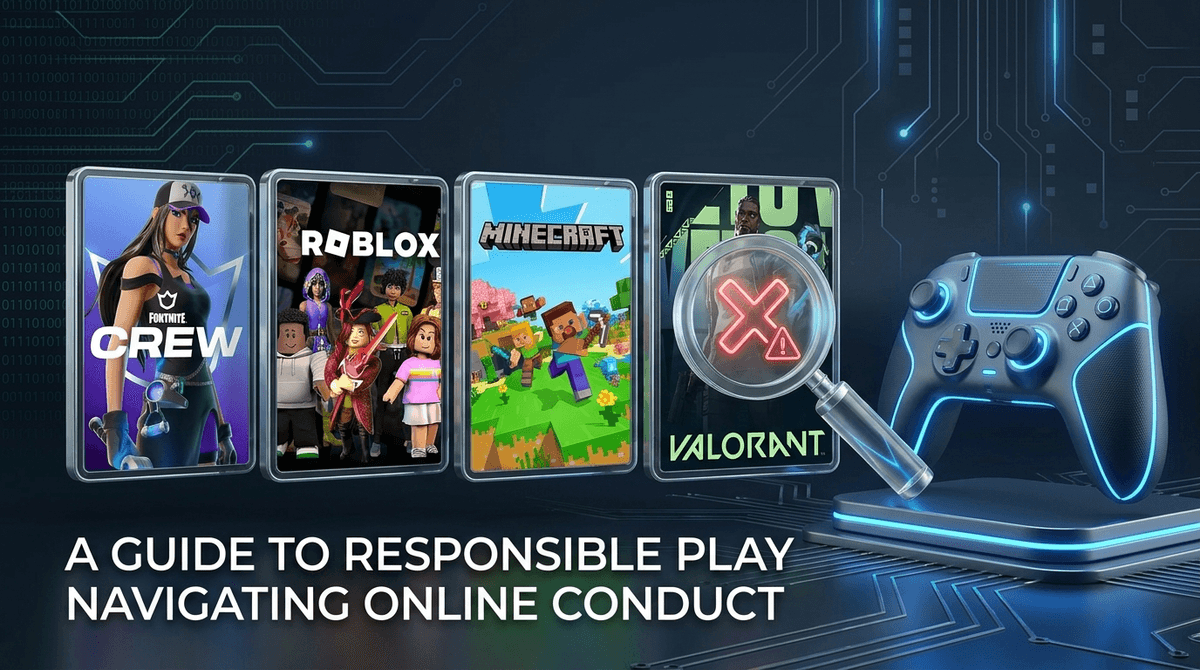
TL;DR: Cheating in online games has evolved far beyond old-school "cheat codes." Today, it involves sophisticated software like aimbots and wallhacks that can get your kid’s account permanently banned or, worse, infect your home computer with malware. While the impulse to cheat often comes from social pressure to "git gud" or appear "cracked" (highly skilled), it opens up a messy conversation about digital sportsmanship and online safety.
Quick Links for the Games Mentioned:
- Roblox - The primary place younger kids encounter "scripts" and "glitches."
- Fortnite - High stakes for cheating; Epic Games is notorious for "hardware bans."
- Minecraft - Where the line between "modding" and "cheating" gets very blurry.
- Call of Duty - A hotspot for "aimbots" and "wallhacks."
- Valorant - Uses highly invasive anti-cheat software that parents should know about.
If you grew up with a Nintendo, you remember the Konami Code. You’d press a few buttons and get 30 lives. It was harmless, built-in, and expected.
Modern cheating in multiplayer games is a completely different beast. It’s an arms race between developers and "cheat providers." When your kid is playing a competitive shooter like Apex Legends or Counter-Strike 2, they aren't just looking for a secret button combo. They are often looking for external software that gives them an unfair advantage over real people.
The "Big Three" Exploits
- Aimbots: Software that automatically snaps the player's crosshairs to an opponent's head. It makes a novice look like a pro athlete, hitting every shot perfectly.
- Wallhacks (ESP): This allows players to see opponents through solid walls, often highlighting them in bright colors. It removes the element of surprise entirely.
- Scripts and Macros: Common in Roblox, these are bits of code that automate complex movements or actions, like building a fortress in a split second or "auto-farming" currency while the kid is at school.
The New Frontier: AI Cheats
We’re now seeing "Computer Vision" cheats. These use AI to "look" at the screen through a separate device or specialized hardware, detecting enemies without ever touching the game's internal files. This makes them incredibly hard for developers to catch, and it’s a frequent topic of conversation on YouTube gaming channels.
Ask our chatbot about the latest AI cheating trends in gaming
It’s easy to assume a kid who cheats is "bad" or "dishonest," but the psychology is usually more nuanced.
- The "Ohio" Factor (Social Status): In 2026, gaming skill is social currency. If a kid is "trash" at Fortnite, they might feel left out of the friend group. Cheating is a shortcut to being the "Alpha" or "Sigma" in their digital circle.
- The Grind is Real: Many games are designed to be intentionally tedious to encourage players to buy in-game currency. Kids often see "scripting" as a logical way to bypass "brain rot" grinding and get to the fun parts.
- Curiosity and Power: Sometimes, they just want to see what happens. There’s a thrill in breaking the rules and feeling like a "hacker," a term that still carries a lot of "cool" weight in middle school.
- Leveling the Playing Field: If a kid feels like everyone else is cheating (which they often claim, even when it’s not true), they feel justified in "balancing" things out.
This is where the "No-BS" part comes in. Cheating isn't just about sportsmanship; it’s a massive security risk for your home network.
1. Malware and "Token Stealing"
Most cheats are found on sketchy websites or through Discord servers. These "free hacks" are almost always a Trojan horse. They often contain "infostealers" designed to grab your saved passwords, credit card info, or Discord tokens. If your kid downloads a "Robux Generator" or a "Fortnite Aimbot," there is a high probability they are handing over the keys to your digital life.
2. The "Hardware Ban"
In the old days, if you got caught, your account was banned. Today, companies like Riot Games (makers of Valorant) and Activision use hardware-level bans. This means they ban the actual ID of the computer or console. If your kid gets a hardware ban, that computer can never play that game again, regardless of who is logged in. It essentially bricks the device for that specific game.
3. Toxic Community Exposure
The "cheat" scene is not a friendly place. It’s adjacent to some of the most toxic corners of the internet. By seeking out exploits, kids often end up in Discord servers where they are exposed to harassment, scams, and extremist content.
Learn more about the risks of Discord for tweens
Ages 7-10: The "Glitch" Phase
At this age, kids usually aren't downloading sophisticated aimbots. They are looking for "glitches" in Roblox or Minecraft.
- The Conversation: Focus on fairness. "If you were playing tag and someone used a jetpack, would that be fun for anyone else?"
- The Warning: This is the prime age for "Free Robux" scams. Teach them that nothing in a game is ever truly free.
Ages 11-13: The "Scripting" Phase
Tweens start getting interested in "mods." In Minecraft, modding is a great way to learn about computers. But in Fortnite, it's a banable offense.
- The Conversation: Distinguish between "Creative Modding" (adding new blocks to your own Minecraft world) and "Competitive Cheating" (using a script to win a match in Roblox BedWars).
- The Warning: Explain the concept of account value. "If you lose this account, you lose all the skins and progress we've paid for over the last three years."
Ages 14+: The "Deep Dive" Phase
Teens are often the ones looking for the high-end stuff. They might even try to buy "private cheats" using their allowance or crypto.
- The Conversation: Focus on the "Why." Are they feeling burnt out? Are they frustrated with the skill gap? This is also a good time to talk about the professional gaming scene (Esports) and how cheating ruins careers.
- The Warning: Discuss the technical risks. Explain that many anti-cheat programs (like Vanguard for Valorant) run at the "Kernel level," meaning they have deep access to the computer's operating system. Adding a cheat on top of that is asking for a system crash or a security breach.
Not all "extra" software is bad. It’s important not to shut down your kid’s interest in tech by mistake.
- Mods (Good/Neutral): These are usually community-created additions to games like The Sims 4 or Minecraft. They add new clothes, buildings, or features. Developers usually love these.
- Hacks (Bad): These are specifically designed to give an advantage in a multiplayer setting.
- Quality of Life (QoL) Tools: Things like Discord overlays or performance trackers are generally fine and used by most gamers.
Check out our guide on the best Minecraft mods for kids
If you catch your kid cheating, don't make it a moral failing on par with stealing a car. In their head, it’s just "optimizing the game."
Try these openers:
- "I noticed your character is moving way faster than everyone else. Is that a mod or a script? I’m worried that’s going to get your account flagged."
- "I get that the grind in Roblox is annoying, but downloading scripts from random YouTube links is how we get our bank info stolen. Let’s look at the source together."
- "Winning because of a bot isn't really you winning. Doesn't that make the victory feel kind of mid?"
Cheating in online games is a symptom of a larger digital culture that prizes "the win" over the process. While the security risks are the most immediate concern for you as a parent, the long-term goal is teaching digital sportsmanship.
If your kid is tech-savvy enough to find and install a cheat, they are tech-savvy enough to learn the "white hat" version of those skills. Direct that energy toward Scratch or Roblox Studio where they can build their own rules instead of breaking someone else's.
- Check the "Downloads" folder: Look for files with names like "injector," "executor," or "cheat."
- Review account security: Ensure Discord and gaming accounts have Two-Factor Authentication (2FA) turned on.
- Audit the "Anti-Cheat": If your kid plays Valorant, understand that "Vanguard" starts when you turn on your PC. It’s safe, but it’s powerful.
- Discuss the "Hardware Ban": Make sure they know that one "cool" hack could mean the end of their gaming on that specific console or PC forever.